Tree removal is one of the most important responsibilities in land management, property maintenance, and environmental care. While trees are essential for soil stability, air quality, and ecosystem health, there are many situations where removing a tree becomes necessary for safety, structural protection, or land improvement. Whether a tree is diseased, overgrown, storm-damaged, or posing a risk to buildings and people, tree removal must be carried out with great precision, advanced knowledge, and a strong commitment to environmental responsibility. Because the process involves complex risks, heavy equipment, and technical expertise, understanding tree removal in depth is essential for anyone responsible for maintaining healthy, safe, and functional landscapes.
The Purpose and Importance of Tree Removal
Tree removal is typically performed when a tree becomes dangerous, unhealthy, structurally unstable, or obstructive. A tree may also be removed to support construction plans, land development, or landscape redesign. When performed correctly, tree removal reduces hazards, prevents property damage, and preserves the long-term health of surrounding vegetation.
One of the most common reasons for tree removal is structural weakness caused by disease, pests, or internal decay. A tree that appears healthy on the outside may actually be hollow, brittle, or compromised within the trunk or root system. Such trees pose a significant risk of falling, especially during storms or high winds. Tree removal in these situations prevents injury and ensures that the property remains safe.
Another key reason for tree removal is overcrowding. When too many trees grow too close to one another, they compete for sunlight, nutrients, and root space. This can cause the overall health of the stand to decline. Selective tree removal improves air circulation, enhances the health of remaining trees, and allows desired vegetation to thrive.
Additionally, tree removal may be necessary when a tree threatens structural elements such as foundations, sidewalks, roofs, or utility lines. Aggressive root systems can lift pavement, damage irrigation systems, or invade plumbing lines. In these cases, tree removal protects the structural integrity of properties and prevents costly repairs.
Warning Signs That Tree Removal May Be Necessary
To maintain property safety, it is important to recognize the signs that a tree may need to be removed. Common indicators include large cracks in the trunk, deep cavities, excessive leaning, dead branches, pest infestations, or visible root damage. Trees that have suffered lightning strikes or repeated storm damage often lose structural stability and require professional assessment.
Another warning sign is the presence of fungal growth at the base of the tree. Fungi often indicate internal decay or rot, which compromises the tree’s strength. Trees with sparse foliage, slow leaf production, or dead limbs may also require tree removal to prevent hazards.
A professional tree inspection is often required because many dangerous conditions are invisible to the untrained eye. Experts use tools such as probes, resistance devices, and aerial inspection equipment to determine whether tree removal is the safest and most appropriate option.
The Complex Process of Tree Removal
Tree removal is far more than simply cutting down a tree. It requires a systematic, safety-focused approach that prevents accidents and protects surrounding structures. The process begins with a detailed evaluation by a trained professional who assesses tree height, weight distribution, lean angle, proximity to buildings, and potential hazards.
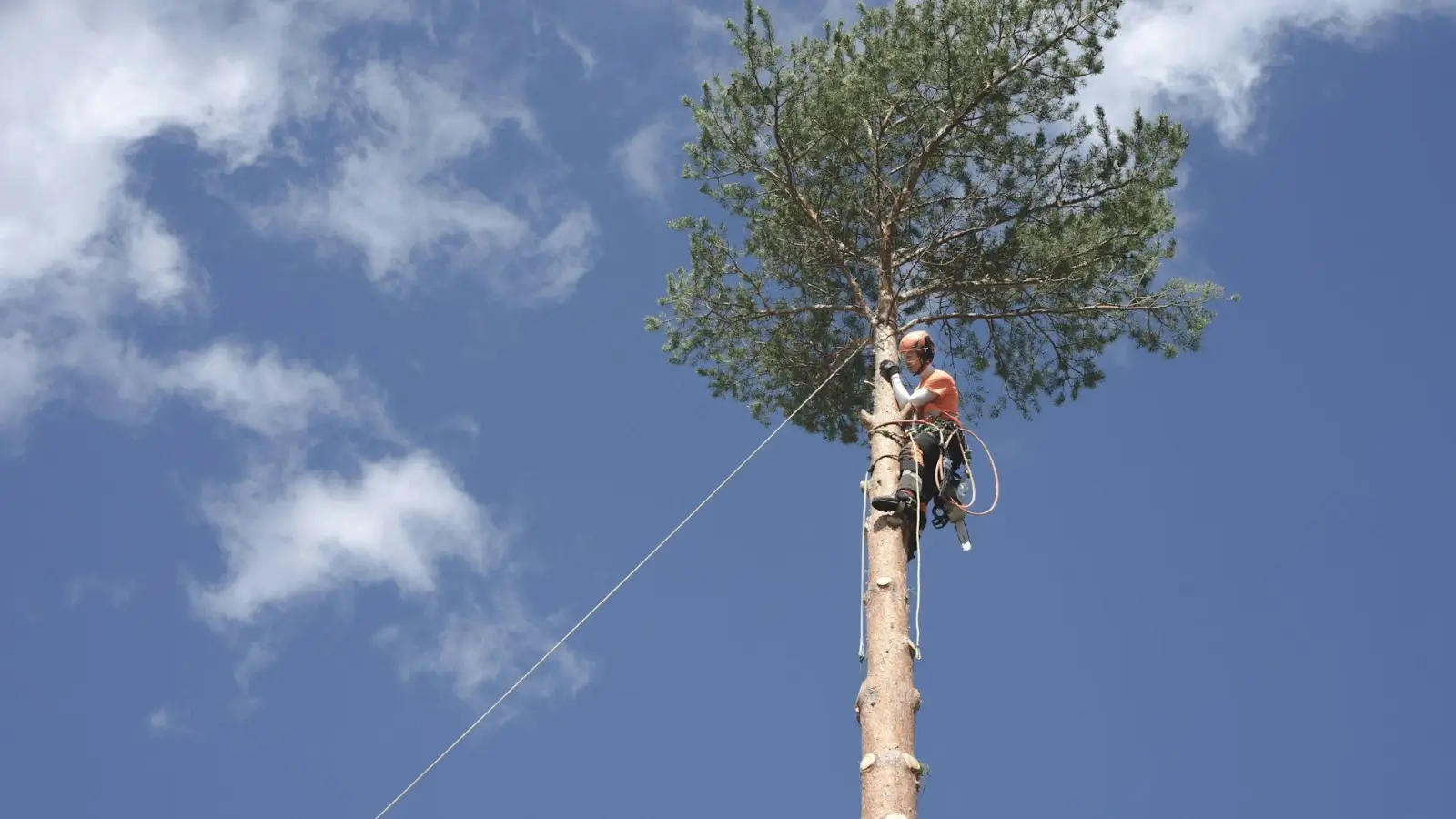
Once the evaluation is complete, a customized plan is created outlining the safest removal strategy. Depending on the tree’s size and location, the removal may involve climbing, rigging, cranes, or heavy machinery. In tight or hazardous spaces, piece-by-piece removal is often necessary. This involves cutting the tree into sections and lowering each piece carefully to avoid damage.
In more open spaces, directional felling may be used. This technique requires strategic cutting to guide the tree’s fall in a safe direction. Professional expertise is crucial in this stage, as misjudgment can cause severe damage or injury.
After the tree is safely brought down, the branches are removed and processed. The trunk is cut into manageable sections for hauling, splitting, or repurposing. Depending on the property owner’s preference, the wood may be used for firewood, mulch, or woodworking projects. The final stage of the process involves stump removal or grinding, which restores the ground surface and prevents regrowth.
Equipment Used in Professional Tree Removal
Tree removal requires specialized equipment to ensure safety and efficiency. Chainsaws, rigging ropes, climbing harnesses, cranes, aerial lifts, stump grinders, and wood chippers are among the most common tools used during the process.
Ropes and rigging systems allow professionals to control the descent of large tree limbs, preventing accidental falls or property damage. Climbing gear enables arborists to reach high branches safely while maintaining control during the cutting process.
In situations where a tree leans over a building or power line, cranes may be used to remove the tree in pieces. This requires precision coordination between operators and climbers. Stump grinders are used after the removal to turn the remaining stump into wood chips, leaving the ground smooth and ready for landscaping or planting.
Each tool requires training and skill, reinforcing the importance of hiring experienced professionals for any tree removal project.
Environmental Considerations in Tree Removal
Tree removal must always be done with environmental awareness. Trees play a vital role in ecosystems, providing shade, oxygen, wildlife habitats, and soil stability. Removing a tree should never be taken lightly, and alternative options should always be considered before committing to tree removal.
In some cases, pruning, cabling, or disease treatment may save a tree. However, when removal is necessary, responsible practices must be followed. This includes recycling wood material, promoting new plantings, and ensuring that the removal does not damage nearby vegetation or disrupt wildlife unnecessarily.
Another environmental consideration is soil health. Tree removal should be performed in a way that preserves topsoil, prevents erosion, and maintains natural drainage. The use of heavy machinery should be minimized when possible to reduce soil compaction.
Planting new trees after removal is a recommended practice to restore ecological balance. Replanting supports long-term land health and ensures that the environmental benefits of the removed tree are replaced over time.
Safety Considerations in Tree Removal
Tree removal is one of the most dangerous tasks in property maintenance, requiring strict adherence to safety protocols. Falling limbs, unstable trunks, sudden shifts in weight, and chainsaw accidents are common hazards. Only trained professionals should perform tree removal due to the high risks involved.
Safety gear such as helmets, ear protection, gloves, eye protection, and steel-toe boots is essential. Professionals also use protective chaps, anti-kickback chainsaws, and secure climbing harnesses. Before removal begins, the surrounding area is cleared to prevent injuries.
Weather conditions also play a major role in tree removal safety. High winds, rain, and lightning increase risks significantly. Professionals assess weather patterns carefully to choose the safest time for tree removal.
Additionally, proper communication between crew members is essential. Clear signals, coordinated timing, and precise execution ensure the removal is controlled and predictable.
Applications and Benefits of Professional Tree Removal
Tree removal is required in a wide range of situations. For residential properties, it prevents structural damage, reduces fire hazards, and enhances landscape aesthetics. For commercial properties, it supports construction, improves visibility, and maintains safe public areas.
Tree removal is also essential for managing invasive species. Invasive trees or those spreading aggressively can outcompete native plants, harming local ecosystems. Removing these species preserves biodiversity and encourages healthier plant communities.
In agricultural settings, tree removal opens new space for crops or livestock while improving sunlight exposure and nutrient availability. It is also an essential step in land clearing, road development, and utility maintenance.
The benefits of responsible tree removal extend far beyond safety. It improves property appearance, supports healthy landscapes, prevents long-term damage, and prepares land for future development.
Why Professional Tree Removal Is Essential
Although some property owners attempt to remove trees themselves, professional tree removal is always the safest and most efficient option. Professionals have the training, equipment, and expertise required to manage complex removals without causing injury or property damage.
Improper tree removal can result in collapsed structures, personal injury, damaged utilities, or even fatal accidents. Professionals understand how to analyze tree structure, calculate fall direction, and manage controlled disassembly. Their knowledge ensures that the removal is performed correctly the first time, saving time, money, and significant risk.
Conclusion
Tree removal is an essential practice in land management, safety improvement, and property maintenance. Whether addressing disease, structural risks, overcrowding, or development needs, responsible tree removal ensures that landscapes remain safe, functional, and visually appealing. By using professional techniques, proper equipment, and environmental awareness, tree removal becomes a controlled and beneficial process that protects both properties and ecosystems. With careful planning and expert execution, tree removal supports healthier land, safer surroundings, and long-term landscape success.
Business Outstanders brings you sharp insights on tech, business, entrepreneurship, law, crypto, and more. We uncover what’s next. Stay updated, sign up for our newsletter and be part of the future!