Maintaining a lush and vibrant lawn requires more than occasional mowing or watering Lawn Maintenance is a comprehensive practice that involves soil management, mowing, fertilization, watering, pest prevention, aeration, and seasonal care Proper Lawn Maintenance ensures that grass grows strong and healthy, creating a visually appealing and functional outdoor space For both residential and commercial properties, a well-maintained lawn enhances curb appeal, improves environmental quality, and provides recreational space for outdoor activities
Modern Lawn Maintenance focuses not only on aesthetics but also on sustainability and resource efficiency Healthy lawns absorb rainwater, reduce soil erosion, improve air quality, and support local ecosystems A strategic Lawn Maintenance plan is essential to ensure that outdoor areas remain resilient, attractive, and safe throughout the year
Importance of Lawn Maintenance
Lawn Maintenance is critical for the long-term health of grass and the soil beneath Neglecting proper maintenance can lead to patchy lawns, increased weed growth, pest infestations, soil compaction, and diseases Regular maintenance practices improve grass density, nutrient uptake, and resistance to environmental stressors such as drought, heat, and heavy foot traffic A healthy lawn not only enhances the visual appeal of a property but also increases property value and contributes to a healthier environment
Proper Lawn Maintenance protects investment in landscaping, prevents costly repairs or replacement of grass, and ensures a safe and enjoyable outdoor space for families, employees, and visitors
Core Components of Lawn Maintenance
Effective Lawn Maintenance involves several interconnected practices that support grass health and appearance
1. Soil Preparation and Fertilization
Healthy soil is the foundation of a thriving lawn Soil testing helps determine nutrient deficiencies and pH imbalances Essential nutrients such as nitrogen, phosphorus, and potassium can be applied through fertilizers to promote vigorous growth Fertilization strengthens roots, enhances grass density, and improves disease resistance Organic fertilizers are increasingly favored for their eco-friendly benefits, reducing chemical runoff while improving soil health
2. Mowing Practices
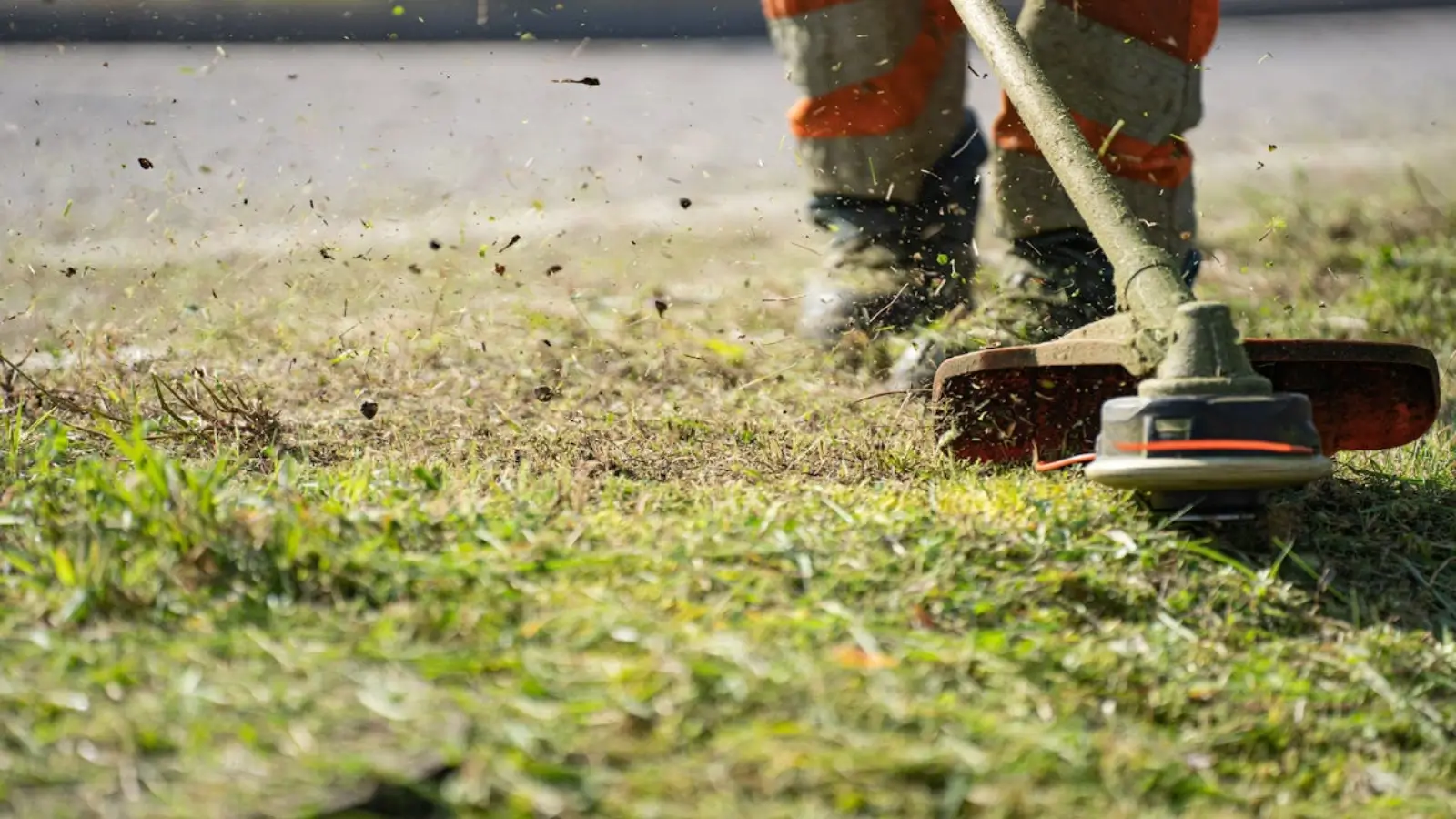
Mowing is a fundamental component of Lawn Maintenance Regular mowing encourages uniform growth and prevents weeds from establishing Proper mowing height is critical cutting grass too short can stress the lawn, while overgrown grass can harbor pests and disease Consistent mowing with sharp blades ensures clean cuts, maintaining healthy grass and a polished appearance
3. Watering Techniques
Proper watering is essential for maintaining a lush lawn Deep and infrequent watering encourages strong root development, making grass more resilient to drought and stress Shallow or excessive watering can weaken roots and increase susceptibility to disease Irrigation systems, timers, and strategic watering schedules help conserve water while maintaining optimal lawn health
4. Aeration and Thatch Management
Soil compaction limits water and nutrient absorption Aeration involves creating small holes in the soil to improve oxygen flow, enhance root growth, and increase nutrient penetration Thatch, a layer of dead grass and organic matter, can prevent water and nutrients from reaching roots Regular Lawn Maintenance includes aeration and dethatching to maintain soil health and promote vigorous grass growth
5. Weed and Pest Control
Weeds and pests challenge lawn health Effective Lawn Maintenance incorporates early detection, monitoring, and treatment strategies Targeted herbicides, proper fertilization, and mowing practices prevent weed overgrowth Pests such as grubs, insects, and fungal diseases require careful management using integrated methods that minimize environmental impact while ensuring grass vitality
6. Seasonal Lawn Maintenance
Lawn Maintenance varies throughout the year Spring focuses on soil aeration, fertilization, overseeding, and cleaning debris Summer emphasizes mowing, watering, and disease prevention Fall involves leaf removal, fertilization, and preparing grass for dormancy Winter requires minimal traffic, monitoring for snow mold, and protection from frost Seasonal Lawn Maintenance ensures year-round resilience and long-term lawn health
Benefits of Professional Lawn Maintenance
While homeowners can perform basic maintenance, professional Lawn Maintenance services provide expertise, specialized equipment, and customized care plans Experts assess soil conditions, recommend fertilizers, implement pest and weed control measures, and optimize watering strategies Professional services help prevent costly mistakes, save time, and ensure consistent results
Professional Lawn Maintenance also integrates sustainable practices, such as organic fertilizers, efficient irrigation, and eco-friendly pest management, reducing environmental impact while improving lawn quality
Sustainability in Lawn Maintenance
Sustainable Lawn Maintenance focuses on preserving natural resources while maintaining healthy grass Eco-friendly practices include using native grass species, composting clippings, minimizing chemical fertilizers, and conserving water Efficient Lawn Maintenance reduces environmental pollution, supports biodiversity, and produces resilient landscapes that withstand seasonal stressors
Enhancing Property Value and Curb Appeal
A well-maintained lawn dramatically enhances property aesthetics and value Lawn Maintenance contributes to uniform green coverage, prevents patchy areas, and creates welcoming outdoor spaces A beautiful, healthy lawn reflects a property owner’s care and professionalism, supporting both residential enjoyment and commercial appeal
Common Lawn Maintenance Challenges
Challenges in Lawn Maintenance include weeds, pests, diseases, soil compaction, drought, and seasonal stress Improper mowing, overwatering, or neglect can compromise grass health Weather conditions such as extreme heat, frost, or heavy rain further complicate maintenance strategies Addressing these challenges requires consistent attention, knowledge, and the use of effective maintenance practices
Tips for Effective Lawn Maintenance
-
Conduct regular soil tests to identify nutrient needs
-
Maintain proper mowing height and frequency
-
Water deeply but infrequently to promote strong roots
-
Aerate and dethatch soil to improve air and nutrient flow
-
Monitor for pests, weeds, and diseases proactively
-
Follow seasonal maintenance schedules for consistent lawn health
-
Consider professional lawn maintenance services for guidance and efficiency
Applying these practices ensures that lawns remain healthy, green, and visually appealing throughout the year
The Role of Lawn Maintenance in Environmental Health
Proper Lawn Maintenance contributes to environmental sustainability Lawns filter pollutants, absorb rainwater, reduce soil erosion, and support biodiversity Maintaining healthy grass reduces the need for chemical treatments and excessive water usage Sustainable Lawn Maintenance practices protect both the lawn and the surrounding ecosystem
Conclusion
Lawn Maintenance is essential for creating vibrant, healthy, and sustainable lawns Proper practices include soil preparation, mowing, fertilization, watering, pest management, aeration, and seasonal care Consistent Lawn Maintenance ensures strong grass roots, resilient turf, and aesthetically pleasing outdoor spaces Implementing a structured Lawn Maintenance routine, along with professional guidance when needed, enhances property value, environmental sustainability, and the overall quality of outdoor living or working spaces Healthy lawns reflect care, provide functional spaces, and contribute positively to the surrounding environment
Business Outstanders brings you sharp insights on tech, business, entrepreneurship, law, crypto, and more. We uncover what’s next. Stay updated, sign up for our newsletter and be part of the future!