Struggling with high energy bills? The issue might be your home's insulation and roofing. Together, they form a thermal barrier that keeps your home comfortable and reduces HVAC strain, leading to significant energy savings. Upgrading these unseen systems can lower costs and boost efficiency year-round.
Understanding Insulation: Your Home's Thermal Barrier
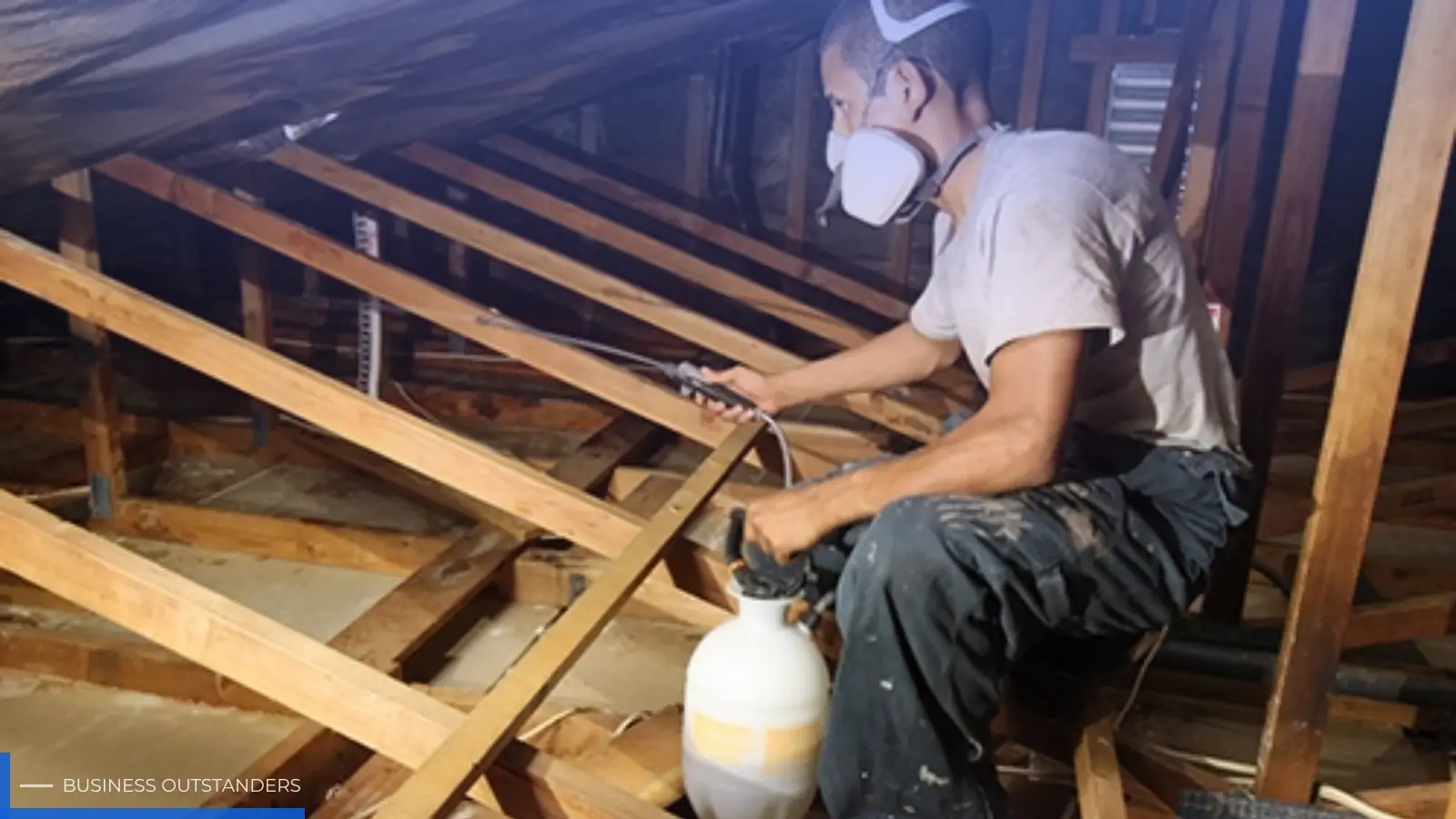
Insulation acts as a protective layer that slows heat transfer between your home's interior and the outside environment. During summer, it keeps cool air inside and hot air out. During winter, it does the opposite, maintaining warm indoor temperatures while blocking cold outdoor air.
Types of Insulation Materials
1. Fiberglass Insulation
The most common type found in homes, fiberglass comes in batts, rolls, or loose-fill options. It's affordable and effective, with R-values typically ranging from R-2.9 to R-3.8 per inch of thickness.
2. Cellulose Insulation
Made from recycled paper products, cellulose offers excellent coverage when blown into attics and wall cavities. It provides R-values between R-3.1 and R-3.8 per inch and naturally resists fire and insects.
3. Spray Foam Insulation
This premium option expands to fill gaps and creates an air-tight seal. Open-cell spray foam offers R-3.5 to R-3.6 per inch, while closed-cell varieties can reach R-6.0 to R-6.5 per inch.
Understanding R-Values
R-value measures insulation's resistance to heat flow. Higher R-values indicate better insulating performance. Climate zones determine recommended R-values—colder regions need higher R-values than warmer areas. Most attics should have R-38 to R-60, depending on your location.
Benefits of Proper Insulation
1. Energy Savings That Add Up
Well-insulated homes use significantly less energy for heating and cooling. The Department of Energy estimates that homeowners can save an average of 15% on heating and cooling costs by air sealing their homes and adding insulation in attics, floors, and crawl spaces.
These savings compound over time. A home that reduces energy consumption by 20% could save thousands of dollars over a decade, making insulation upgrades one of the most cost-effective home improvements available.
2. Consistent Comfort Throughout Your Home
Proper insulation eliminates hot and cold spots that make certain rooms uncomfortable. Instead of cranking up the thermostat to warm a chilly bedroom or running multiple fans to cool a stuffy living room, balanced insulation maintains even temperatures naturally.
This consistency reduces the strain on your HVAC system and helps it operate more efficiently, extending its lifespan and reducing maintenance needs.
3. Environmental Impact
Reducing energy consumption through better insulation directly decreases your home's carbon footprint. Less energy usage means fewer fossil fuels burned at power plants, contributing to cleaner air and reduced greenhouse gas emissions.
For environmentally conscious homeowners, insulation upgrades offer one of the most impactful ways to make their homes more sustainable without sacrificing comfort or convenience.
The Role of Roofing in Energy Efficiency
How Roofing Affects Your Insulation Performance
Your roof does more than keep rain out—it's the first line of defense against temperature extremes. During summer, dark roofing materials can reach temperatures exceeding 160°F, creating intense heat that your insulation must work to block.
Poor ventilation compounds this problem by trapping hot air in the attic space, overwhelming insulation and forcing cooling systems to work harder. Proper roofing systems include adequate ventilation that allows hot air to escape while drawing cooler air through soffit vents.
New roofs like those offered in Sandy incorporate advanced materials and ventilation designs that work synergistically with insulation to maximize energy efficiency.
Roofing Materials and Energy Performance
Light-colored or reflective roofing materials can reduce surface temperatures by 50°F or more compared to traditional dark shingles. Cool roofing options include:
- Metal roofing with reflective coatings
- Light-colored asphalt shingles
- Tile roofing in lighter shades
- Specialized cool-roof coatings for existing roofs
These materials work with your insulation to reduce the total heat load on your home, making it easier to maintain comfortable indoor temperatures.
Top-Down Efficiency: The Power of Integration
Combining Roofing and Insulation for Maximum Savings
Addressing roofing and insulation as separate projects misses opportunities for greater efficiency gains. When planned together, these improvements create synergistic effects that multiply energy savings.
A comprehensive top-down approach might include:
- Installing a cool roof to reduce heat absorption
- Upgrading attic insulation to recommended R-values
- Improving attic ventilation to work with the new roofing system
- Sealing air leaks that compromise insulation performance
This integrated strategy often costs less than tackling projects separately and delivers better results than individual improvements.
The Importance of Professional Assessment
Every home has unique characteristics that affect insulation and roofing performance. Factors like architectural style, existing materials, local climate, and current energy usage patterns all influence the best approach for improvements.
Professional energy auditors can identify specific problem areas using thermal imaging cameras and blower door tests. These assessments reveal exactly where your home loses energy and help prioritize improvements for maximum impact.
Roofing contractors experienced with energy-efficient systems can evaluate how your roof structure, ventilation, and materials work with insulation to either enhance or hinder performance. Their expertise ensures that improvements work together rather than against each other.
Conclusion
Start improving energy efficiency with a professional home assessment to find energy loss areas. Focus on upgrades like sealing air leaks, adding insulation, and improving roofing. Use rebates and tax credits to save costs while enjoying lower bills, better comfort, and higher home value.
Business Outstanders brings you sharp insights on tech, business, entrepreneurship, law, crypto, and more. We uncover what’s next. Stay updated, sign up for our newsletter and be part of the future!