The Significance of Proper Plantings in Landscaping
Plantings are a foundational element of landscaping that directly impact the health, functionality, and visual appeal of any outdoor space. Whether for residential gardens, commercial properties, or public spaces, strategic plantings ensure that trees, shrubs, flowers, and ground covers thrive while creating a cohesive and inviting environment. Properly executed plantings contribute to soil stabilization, improved air quality, biodiversity, and aesthetic harmony. Neglecting planning and execution can lead to overcrowded plants, poor growth, and increased maintenance challenges. By prioritizing thoughtful plantings, property owners create landscapes that are both sustainable and visually appealing, providing long-term benefits for both the environment and the people who enjoy the space.
Planning and Designing Your Plantings
Effective plantings begin with careful planning and design. This stage involves assessing the site, understanding soil quality, sunlight exposure, drainage, and climate conditions, and selecting appropriate plant species. A professional approach to plantings includes mapping out plant spacing, height, and growth patterns to avoid overcrowding and ensure healthy development. Companion planting, which pairs plants that support each other’s growth or deter pests naturally, can enhance the effectiveness of your plantings. Thoughtful design ensures that plants complement one another aesthetically while meeting practical requirements, creating a balanced and thriving landscape.
Choosing the Right Plants for Plantings
Selecting the right plants is essential for successful plantings. Native species are often preferred because they are adapted to local soil, climate, and precipitation conditions, requiring less maintenance and water. Perennials provide long-lasting structure and color, while annuals offer seasonal variety and vibrancy. Consideration of plant height, color, bloom time, and texture is crucial in planning aesthetically pleasing plantings. Additionally, drought-tolerant, pest-resistant, or low-maintenance plants can reduce ongoing maintenance needs. By choosing the right mix of plants, property owners ensure that their plantings remain healthy, sustainable, and visually attractive year-round.
Soil Preparation and Planting Techniques
Healthy soil is the cornerstone of successful plantings. Soil preparation involves removing weeds, debris, and rocks, loosening compacted areas, and incorporating organic matter or compost to enrich nutrient content. Testing soil pH and adjusting it to suit specific plant requirements ensures optimal growth. During the planting process, proper techniques such as digging appropriate-sized holes, loosening roots, and backfilling with amended soil promote strong root development. Mulching around plants after planting conserves moisture, suppresses weeds, and regulates soil temperature. A professional approach to soil preparation and planting ensures that your plantings thrive and establish quickly.
Watering and Irrigation for Plantings
Proper watering is critical for the success of plantings, particularly during the establishment period. Newly planted trees, shrubs, and flowers require consistent moisture to develop strong roots. Overwatering can lead to root rot, while underwatering stresses plants and slows growth. Installing irrigation systems, such as drip lines or soaker hoses, during the planting process ensures even water distribution and reduces manual labor. Mulching also plays a role in moisture conservation. Consistent and well-planned watering supports healthy growth, increases plant survival rates, and reduces maintenance issues associated with improper hydration.
Seasonal Considerations in Plantings
Seasonality plays a significant role in the timing and success of plantings. Spring and fall are ideal for most plantings because temperatures are moderate, rainfall is often sufficient, and plants can establish roots before extreme summer heat or winter cold. Seasonal planning also involves selecting species that bloom at different times to maintain year-round visual interest. Timing your plantings appropriately reduces transplant shock, encourages healthy growth, and ensures that the landscape remains vibrant and functional throughout the year.
Maintenance for Healthy Plantings
Ongoing maintenance is crucial to the long-term success of plantings. Regular pruning, fertilization, mulching, and pest management promote strong growth and prevent disease. Weed control helps reduce competition for nutrients and water. Seasonal inspections allow early identification of stress, nutrient deficiencies, or pest infestations, enabling timely corrective actions. Mulching should be replenished periodically to retain moisture and suppress weeds effectively. With proper maintenance, plantings remain healthy, attractive, and functional, reducing long-term costs and minimizing the need for frequent replacement.
Environmental and Functional Benefits of Plantings
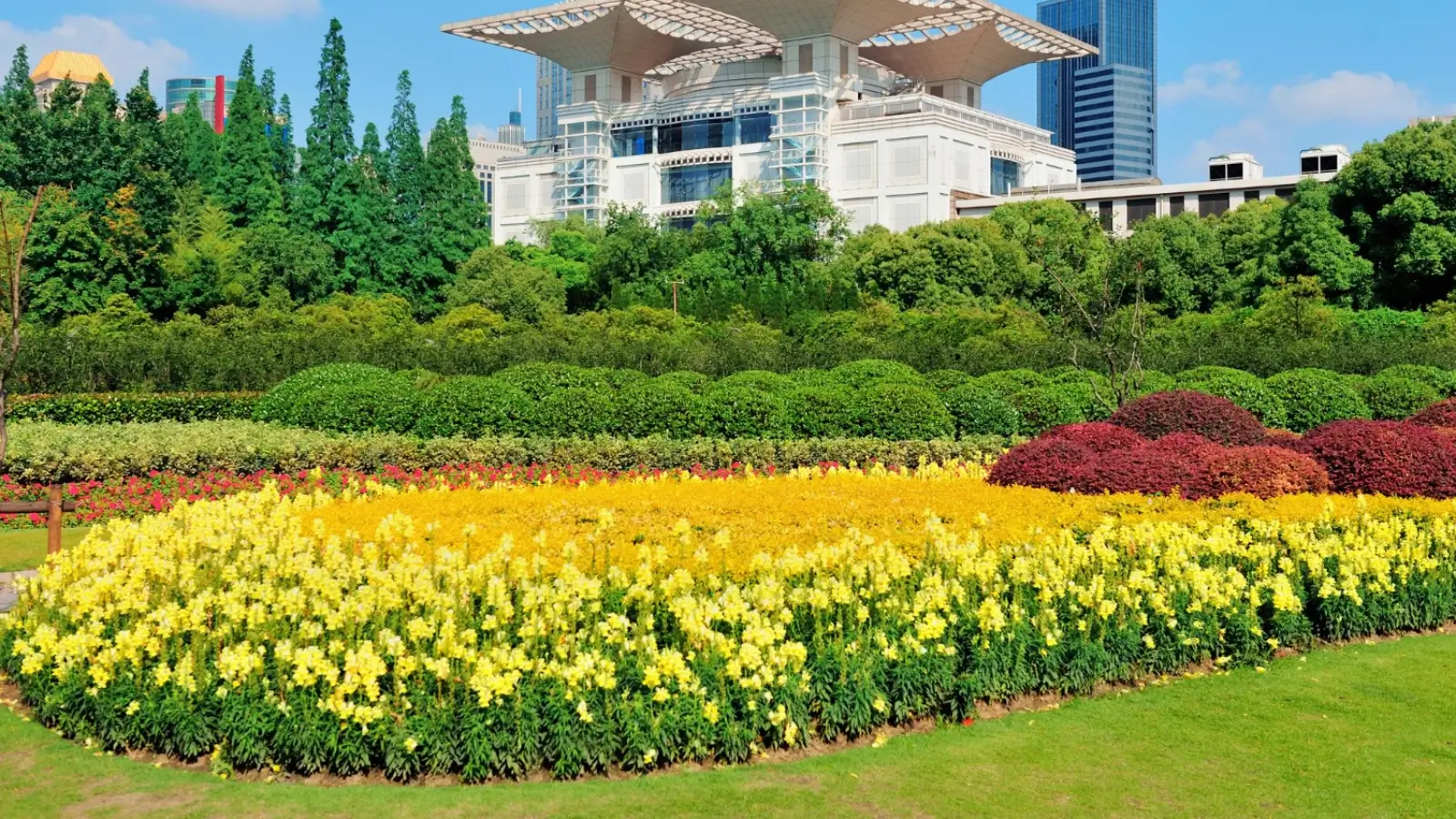
Plantings offer numerous environmental and functional benefits. Trees and shrubs provide shade, reduce heat absorption, improve air quality, and support wildlife by providing food and shelter. Ground covers and grasses prevent soil erosion, enhance water retention, and reduce runoff. Strategically placed plantings can also create privacy screens, windbreaks, or natural barriers, improving both comfort and safety. In urban and commercial settings, plantings contribute to sustainability goals, reduce energy consumption, and improve the overall microclimate. Investing in high-quality plantings yields tangible environmental, economic, and social benefits over time.
Landscape Design Integration with Plantings
Plantings should be integrated into a cohesive landscape design that balances aesthetics, function, and environmental considerations. Professionals consider plant height, color, texture, and seasonal variation to create visual interest while ensuring functional benefits such as shade, privacy, and soil stabilization. Integrating plantings with hardscape elements like pathways, patios, and retaining walls enhances usability and creates a harmonious outdoor space. Thoughtful design ensures that plantings complement existing features while contributing to the overall beauty and usability of the landscape.
Professional Plantings vs. DIY Approaches
While many property owners attempt DIY plantings, professional services offer superior results. Experts have knowledge of soil science, plant biology, and horticultural best practices, reducing the risk of plant failure and poor growth. Professionals also handle large or complex areas efficiently, ensuring proper spacing, planting depth, and long-term maintenance considerations. Hiring professionals for plantings guarantees healthy, thriving plants, optimized aesthetics, and reduced stress for property owners, while DIY approaches may result in uneven growth, unnecessary costs, and increased maintenance needs.
Conclusion: The Long-Term Value of Quality Plantings
Plantings are a critical investment in the beauty, functionality, and sustainability of any landscape. Thoughtful selection, proper soil preparation, professional planting techniques, and consistent maintenance ensure that plants thrive, creating healthy, visually appealing outdoor spaces. Well-executed plantings enhance property value, support environmental sustainability, and improve quality of life by providing shade, privacy, and a connection to nature. Whether for residential gardens, commercial properties, or public spaces, prioritizing high-quality plantings guarantees long-term benefits, a vibrant landscape, and a welcoming environment that can be enjoyed year-round.
Business Outstanders brings you sharp insights on tech, business, entrepreneurship, law, crypto, and more. We uncover what’s next. Stay updated, sign up for our newsletter and be part of the future!