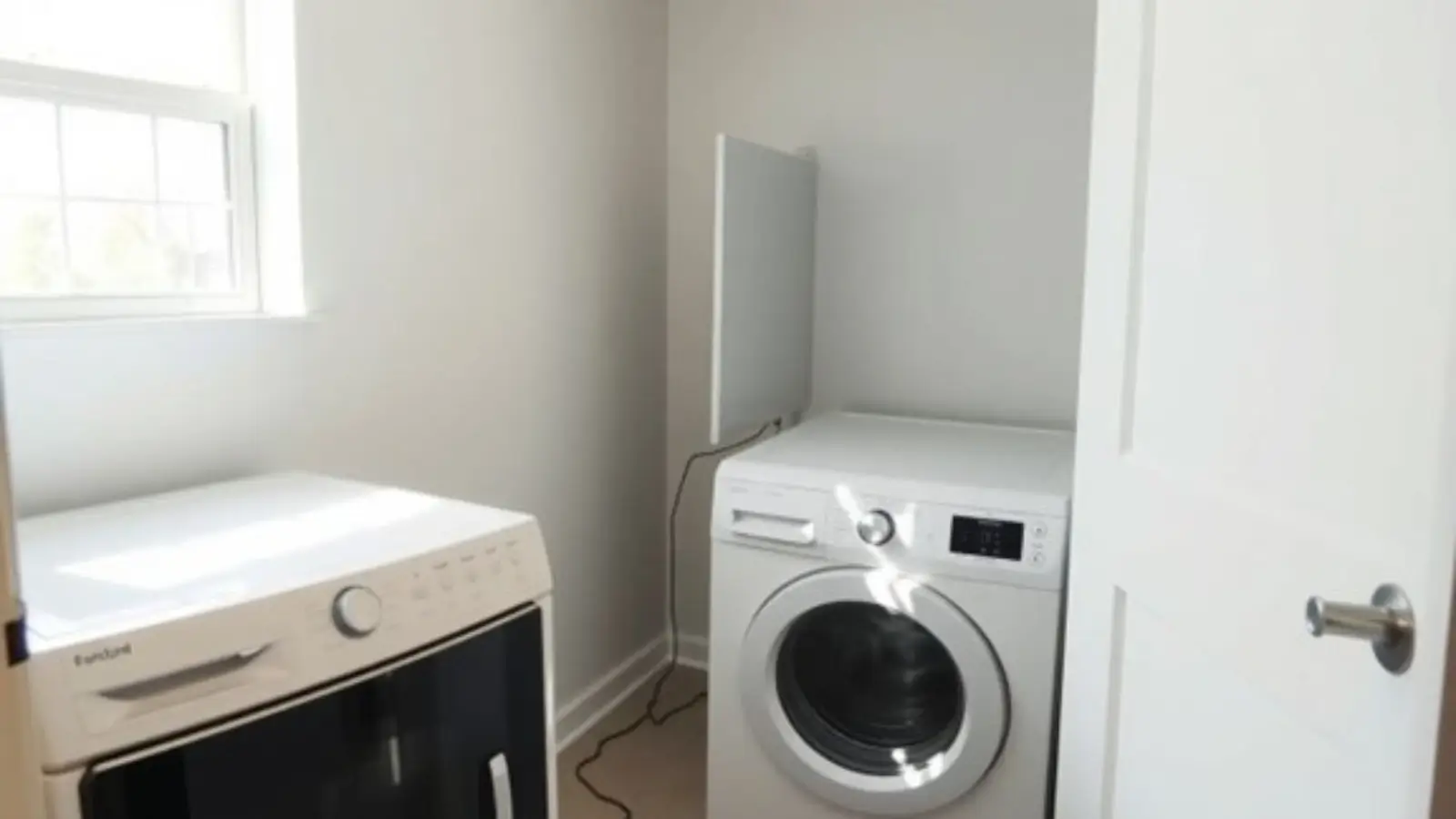
Getting your washer and dryer ready for pickup involves a few key steps to make the process smooth and safe. It’s not just about unplugging them; there’s a bit more to it than that.
Disconnect Water and Power Sources
First things first, you need to cut off the utilities. Make sure both the washer and dryer are completely unplugged from their power outlets. For the washing machine, you'll also need to turn off the water supply valves. These are usually located behind the machine. Don't forget to disconnect the power and water sources before anything else. This is a really important step for safety when you prepare your washer and dryer for pickup.
Detach All Hoses and Connections
Once the power and water are off, it's time to deal with the hoses. You'll need to detach all the water hoses from the wall. Be prepared for a little bit of residual water to come out, so have a towel or a small bucket handy. For the dryer, disconnect the vent hose that runs to the outside of your home. It’s also a good idea to secure any loose cords or hoses with tape or zip ties so they don't get in the way.
Secure Loose Parts and Doors
Appliances can shift during transport, so securing loose parts is a smart move. Check if your washer or dryer has any removable drawers or shelves and take them out. For the washing machine drum, if possible, use shipping bolts (sometimes called transit bolts) to keep it from moving around. Finally, use some packing tape or stretch wrap to keep the doors shut tight. This prevents them from swinging open unexpectedly during the move. Properly preparing your washer and dryer makes the pickup day much easier.
Assess Your Washer and Dryer Condition
Before the pickup crew arrives, it's a good idea to take a close look at your washer and dryer. This isn't just about knowing what you're getting rid of; it helps if you decide to sell or donate them. Plus, some pickup services might ask about the condition.
Check For Any Damage or Wear
Walk around your washer and dryer. Look for dents, scratches, or any rust spots. Check the control panels and doors to make sure they open and close properly. Note any significant damage, as this might affect their value if you're trying to sell them or if a donation center has specific requirements. It's also a good time to check for any leaks or unusual noises they made when they were last used.
Inspect Dryer Lint Trap for Buildup
This is a quick but important step. Pull out the lint trap from your dryer and give it a good clean. A clogged lint trap is a fire hazard and can make your dryer work harder than it needs to. Removing the lint also makes the appliance a bit cleaner for whoever is picking it up. It's a small detail, but it shows you've taken care of the appliance.
Note Any Specific Issues for Pickup
Think about any quirks your washer and dryer had. Did the washer make a loud banging noise on the spin cycle? Did the dryer take forever to dry clothes? Jotting these down can be helpful. If you're using a professional service, they might ask about any issues. This also helps you remember what you told them if they ask later. It's all part of assessing the overall condition of your washer and dryer.
Choose Your Washer and Dryer Pickup Method
When it's time to say goodbye to your old washer and dryer, picking the right removal method matters. It's not just about getting them out of the house; it's about doing it responsibly and efficiently. Several options exist, each with its own set of benefits.
Research Professional Junk Removal Services
For a hands-off experience, professional junk removal services are a top choice. These companies specialize in hauling away large items like appliances. They typically handle all the heavy lifting and transportation, making the process simple for you. Many of these services also prioritize recycling, ensuring your old washer and dryer are disposed of in an eco-friendly way. When researching, look for companies with good reviews specifically for appliance removal. This method is often the most convenient, especially if you can't manage the move yourself.
Investigate Local Recycling Options
Recycling your washer and dryer is a great way to be environmentally conscious. Many components, especially the metal, can be repurposed. Some local recycling centers or scrap metal dealers accept appliances and might even offer a small payment for the materials. It's worth checking if your municipality has specific appliance recycling programs. This approach is good for the planet and can sometimes put a little cash back in your pocket. Remember to confirm that the recycling facility handles appliance disposal properly.
Explore Municipal Bulk Trash Collection
Many cities offer bulk trash collection services, which can be a cost-effective way to get rid of large appliances. However, these services often have specific rules and schedules. You might need to schedule a pickup in advance, and there could be limits on the number or type of items collected on a given day. Some municipalities require you to secure the appliance doors or even remove certain electrical parts before pickup. Always check your local government's website or call their sanitation department for detailed guidelines on their washer and dryer pickup procedures.
Coordinate With Your Pickup Service
Confirm Pickup Date and Time
Once you've picked a service for your washer and dryer pickup, the next step is to lock in the details. Confirming the exact date and time for the pickup is super important. This helps you plan your day and make sure someone is home. It's also a good idea to get a confirmation number or email. This way, if anything comes up, you have a record of your arrangement for the washer and dryer pickup.
Understand Any Preparation Requirements
Different services might have specific rules for how they want your appliances. Some might ask you to disconnect water lines or power cords beforehand. Others might have specific instructions about securing doors or removing certain parts. It's best to ask them directly about any preparation requirements. This avoids any last-minute scrambling or issues on pickup day. Knowing these details ahead of time makes the whole process smoother for everyone involved.
Arrange for Assistance if Needed
Washer and dryer units are heavy. If the pickup service doesn't include moving the appliances from inside your home, you'll need to figure out how to get them to the pickup spot. Think about whether you'll need help from friends or family. Some services offer an extra fee for in-home removal. It's smart to discuss this when you book your appointment. This way, you won't be caught off guard when the pickup day arrives.
Ensure Safe Removal of Appliances
Clear Pathways for Movement
Before the pickup crew arrives, take a good look at the route your washer and dryer will travel. This means the path from your laundry room, through hallways, and out the door. Move any furniture, rugs, or clutter that could get in the way. A clear path is key to a quick and safe appliance removal. Think about where they'll be going and make sure there's enough space to maneuver these heavy items. This preparation helps prevent accidental bumps and scrapes, protecting both your home and the appliances during the move.
Protect Flooring and Doorways
Heavy appliances can leave marks or dents on your floors and door frames. To avoid this, lay down old blankets, cardboard, or plywood along the path. Pay special attention to doorways and any tight corners where the appliances might rub. Using furniture sliders under the washer and dryer can also make them glide more easily, reducing friction. This simple step protects your floors and doorways from damage, which is especially important if you're renting or want to keep your home looking its best. Proper protection makes the appliance removal process much smoother.
Utilize Proper Lifting Techniques
Washer and dryer units are heavy and awkward. When it's time to move them, it's best to have at least two people. Always bend your knees and lift with your legs, not your back. If you're using a dolly or hand truck, make sure it's rated for the weight and secure the appliance to it with straps. If you're unsure about lifting these heavy items, it's always better to ask for help from the pickup service or a friend. Safe lifting is crucial to prevent injuries and damage to the appliances during their removal.
Consider Alternative Disposal Options
Explore Selling Your Used Appliances
If your washer and dryer are still in decent working order, selling them is a smart move. Many people look for used appliances as a budget-friendly alternative to buying new. Before listing, check the age, capacity, and any recent repairs. A well-maintained unit can fetch a decent price. Consider online marketplaces like Facebook Marketplace or Craigslist. Some appliance retailers might even offer removal services when you buy a new unit, making the sale of your old washer and dryer easier.
Investigate Donation Opportunities
Donating your washer and dryer is a fantastic way to help others if they're still functional. Many charities and nonprofit organizations accept large appliance donations. Organizations like The Salvation Army or local shelters often need these items. It's a good idea to call ahead and confirm that your local branch accepts washer and dryer donations. This option is great for giving your appliances a second life and supporting a good cause.
Evaluate Renting a Disposal Bin
Sometimes, the easiest way to get rid of old appliances is to rent a disposal bin. This is especially true if the washer and dryer are beyond repair or if you have other large items to discard. Check with your local waste management services or private companies about dumpster rental options. Be sure to ask about any specific rules or fees related to appliance disposal in your area. This method can be quite convenient for a quick clear-out.
Wrapping Up Washer and Dryer Pickup Day
Getting rid of an old washer and dryer can feel like a big job, but with a little planning, it doesn't have to be a headache. Whether you're selling them, donating them, or having them hauled away, taking the time to disconnect them properly and prepare them for transport makes a difference. It helps keep things safe for everyone involved and ensures the appliances are handled responsibly. So, take a deep breath, follow the steps, and get ready for your new laundry setup – you've got this!
Business Outstanders brings you sharp insights on tech, business, entrepreneurship, law, crypto, and more. We uncover what’s next. Stay updated, sign up for our newsletter and be part of the future!