In the modern world, clutter accumulates faster than most people realize, turning homes, offices, and outdoor spaces into areas that feel disorganized and overwhelming. Old furniture, broken electronics, piles of miscellaneous items, and even garden debris can quickly fill up a space, leaving it less functional and less visually appealing. Over time, this clutter can impact both mental well-being and physical safety, making effective junk removal not just a convenience, but a necessity. Efficient junk removal provides a practical solution to reclaiming space, improving safety, and fostering a more organized environment. Understanding the importance of junk removal and implementing the right strategies can make a significant difference in the way we interact with our surroundings.
The Importance of Junk Removal
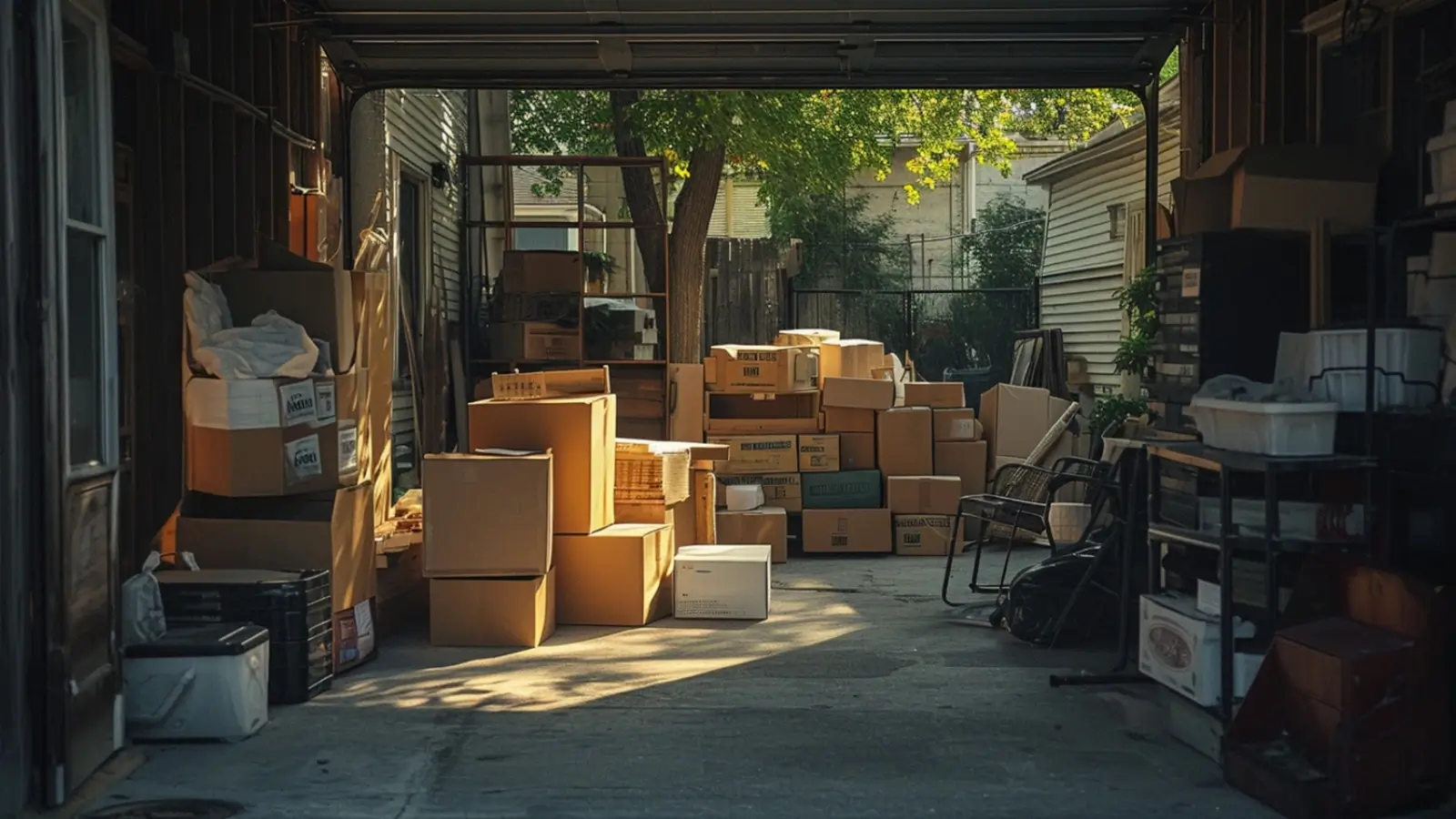
Junk accumulation affects more than just physical spaces. Cluttered environments can reduce usable space, making everyday activities more challenging and less efficient. Large piles of items can create obstacles, increasing the risk of accidents or injuries. In certain situations, improper storage of bulky or combustible items can also pose fire hazards. Beyond physical risks, clutter can take a toll on mental health. Numerous studies have shown that disorganized environments contribute to increased stress levels, feelings of anxiety, and decreased focus. When our surroundings are chaotic, the mind often mirrors that disorder, leaving individuals feeling overwhelmed. By adopting regular junk removal practices, it is possible to create a space that promotes calm, clarity, and enhanced productivity, making it easier to live or work in a healthier, more balanced environment.
Understanding Different Types of Junk
Identifying the types of junk that accumulate is a critical first step in planning an effective removal strategy. Different categories of junk require distinct approaches for disposal, recycling, or repurposing. Common types include household junk such as old furniture, worn-out electronics, outdated appliances, and unused personal items. Construction debris, including scrap wood, metal, concrete, and other leftover materials from renovations or building projects, requires special handling to prevent injury and ensure proper disposal. Yard waste, like fallen branches, grass clippings, and leaves, may seem harmless but can accumulate quickly and contribute to cluttered outdoor spaces. Office junk, ranging from obsolete furniture and outdated electronics to stacks of paper, also adds to the overall disorder in professional environments. Proper categorization not only makes removal easier but also ensures environmentally responsible disposal practices, reducing the negative impact on the environment.
Benefits of Professional Junk Removal
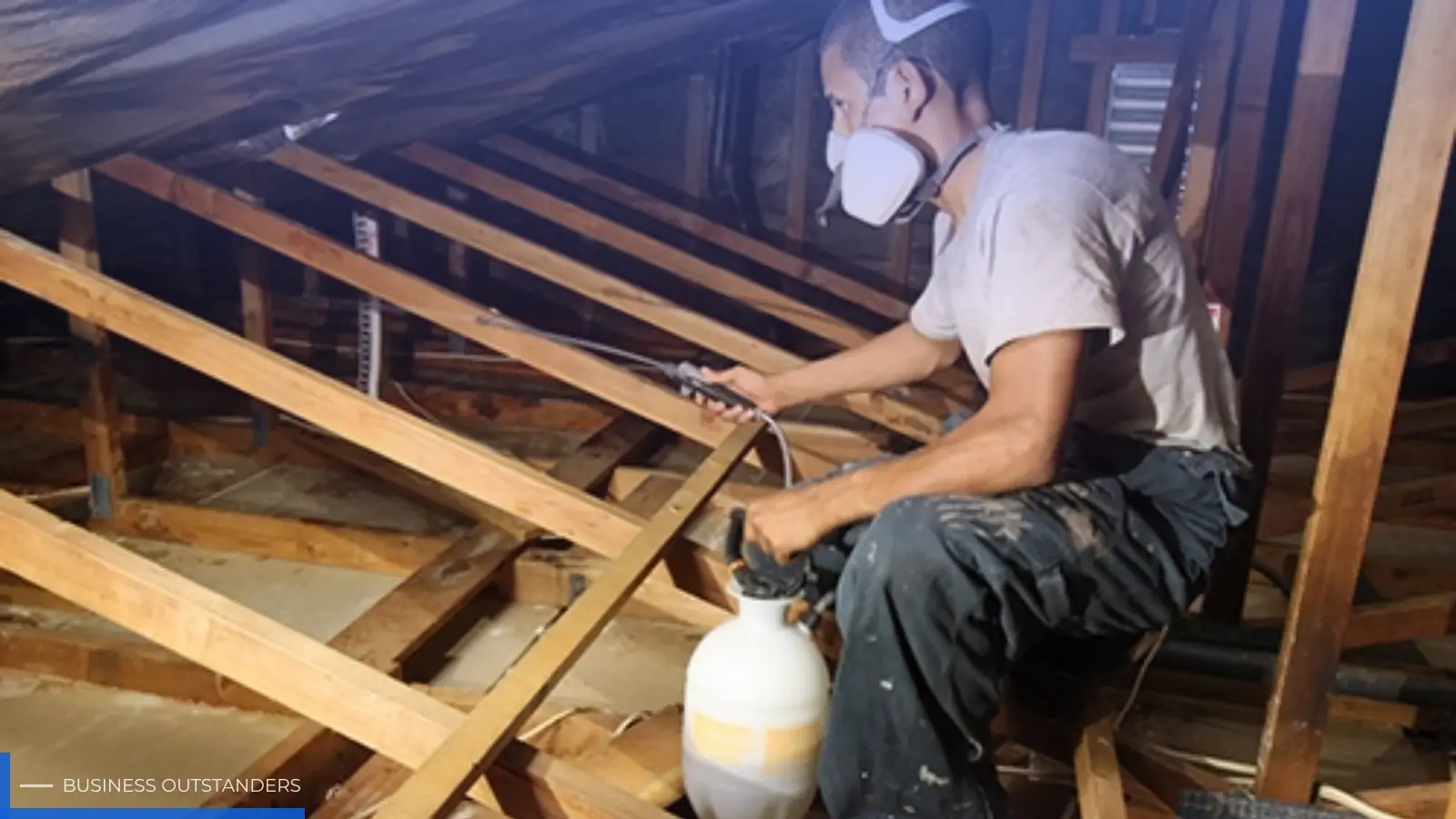
While some individuals prefer to manage junk removal on their own, professional services provide distinct advantages. Expert junk removal teams bring the knowledge, tools, and manpower needed to tackle even the largest cleanup projects efficiently and safely. One of the primary benefits is efficiency. Professionals can remove bulky or heavy items quickly, minimizing disruption to your daily routine. Safety is another key advantage, as lifting or maneuvering large objects without proper equipment can lead to injuries. Many professional services also emphasize environmentally responsible disposal, ensuring that items are recycled, donated, or repurposed whenever possible. Finally, hiring experts reduces the stress associated with junk removal, allowing individuals to focus on other priorities while the task is handled thoroughly and effectively.
Step-by-Step Approach to Junk Removal
Whether handling the process independently or with professional help, a structured approach ensures effective results. The first step is assessment. Evaluate the areas filled with clutter and identify which items are unnecessary, broken, or outdated. Next, categorize the junk into groups, such as reusable, recyclable, or disposable, to streamline the disposal process. Once sorted, plan how each category will be removed. Consider factors such as item size, weight, and disposal requirements when deciding whether to take items to a recycling center, landfill, or donation facility, or whether professional services are needed. During the execution phase, ensure that all necessary tools are on hand if doing it yourself, including gloves, boxes, and carts. When working with professionals, scheduling and preparation help ensure a smooth process. Finally, conduct a thorough final check to confirm that the space is clear, and consider cleaning afterward to maximize the benefits of a clutter-free environment.
Sustainable Practices in Junk Removal
Sustainability has become a critical consideration in modern junk removal. Responsible disposal not only protects the environment but also promotes the conservation of resources. Usable items such as clothing, furniture, and electronics can be donated to charitable organizations, helping those in need while preventing waste. Recycling materials like metals, plastics, and paper reduces the volume of waste sent to landfills, conserving natural resources and lowering environmental impact. It is also important to avoid illegal dumping, which can lead to environmental damage and legal consequences. Creative upcycling can offer a practical alternative, transforming items that might otherwise be discarded into useful or decorative objects, extending their lifespan and reducing overall waste.
Common Challenges in Junk Removal
Despite the clear benefits, junk removal comes with challenges that can complicate the process. Emotional attachment to items can make it difficult to part with belongings, slowing down the decluttering process. Physical limitations, such as strength or mobility issues, can make moving heavy or bulky items challenging without proper tools or assistance. Some materials, including electronics, chemicals, or construction debris, require specialized disposal methods that must comply with regulations. Time constraints also play a role, as large-scale junk removal projects often require significant planning and effort. Anticipating these obstacles allows individuals to implement strategies that simplify the process, such as delegating tasks, enlisting professional help, or creating a structured removal plan.
DIY vs. Professional Junk Removal
Choosing between DIY junk removal and hiring professional services depends on factors like the volume of junk, time availability, and physical ability. DIY removal can be cost-effective for small projects and allows individuals to maintain complete control over the process. However, it can be physically demanding and time-consuming, especially when dealing with heavy or hazardous materials. Professional services, on the other hand, provide speed, safety, and efficiency, handling all aspects of disposal while reducing stress and physical effort. For extensive cleanup projects, professional assistance is often the most practical and effective solution, while smaller tasks can typically be managed through careful planning and consistent effort.
Maintaining a Clutter-Free Space
Junk removal is most effective when it is combined with ongoing maintenance to prevent clutter from accumulating again. Regular decluttering sessions, whether weekly, monthly, or seasonally, help maintain order and prevent unnecessary accumulation. Organizing storage with shelves, bins, and clearly labeled boxes allows items to be kept neatly while remaining easily accessible. Mindful purchasing habits, including evaluating whether new items are truly necessary, help prevent future clutter. Additionally, digital solutions can reduce paper accumulation, allowing documents, bills, and notes to be stored electronically. By incorporating these habits into daily routines, individuals can ensure that spaces remain clean, organized, and functional over the long term.
Conclusion
Effective junk removal is more than a task; it is a strategic approach to improving physical, mental, and environmental well-being. By understanding the different types of junk, employing efficient removal strategies, and embracing sustainable practices, individuals can transform cluttered spaces into organized, functional areas. Whether tackling the project independently or relying on professional services, proper planning, execution, and maintenance ensure lasting benefits. The advantages of thorough junk removal are clear, ranging from improved safety and efficiency to enhanced mental clarity and reduced stress. Incorporating junk removal into regular routines not only enhances the immediate environment but also contributes to a more organized, balanced, and productive lifestyle. Making space for what truly matters, while responsibly discarding what no longer serves a purpose, is an essential step toward a healthier, more harmonious living and working environment.
Business Outstanders brings you sharp insights on tech, business, entrepreneurship, law, crypto, and more. We uncover what’s next. Stay updated, sign up for our newsletter and be part of the future!