Remote patient monitoring software has emerged as one of the most powerful technologies in the current healthcare environment. As much as devices are gathering important vital signs and patient information, the software that makes them work is what converts the information into significant clinical information. With hospitals, clinics, and care organizations increasingly developing virtual care strategies, Remote Patient Monitoring Software is becoming the key infrastructure upon which scalable, efficient, and patient-centered care can be provided. Not only can it store data, but also integrate communication, alerts, analytics, documentation, and workflow, which is why continuous monitoring is not just possible but very effective.
A Unified Platform for Real-Time Health Data
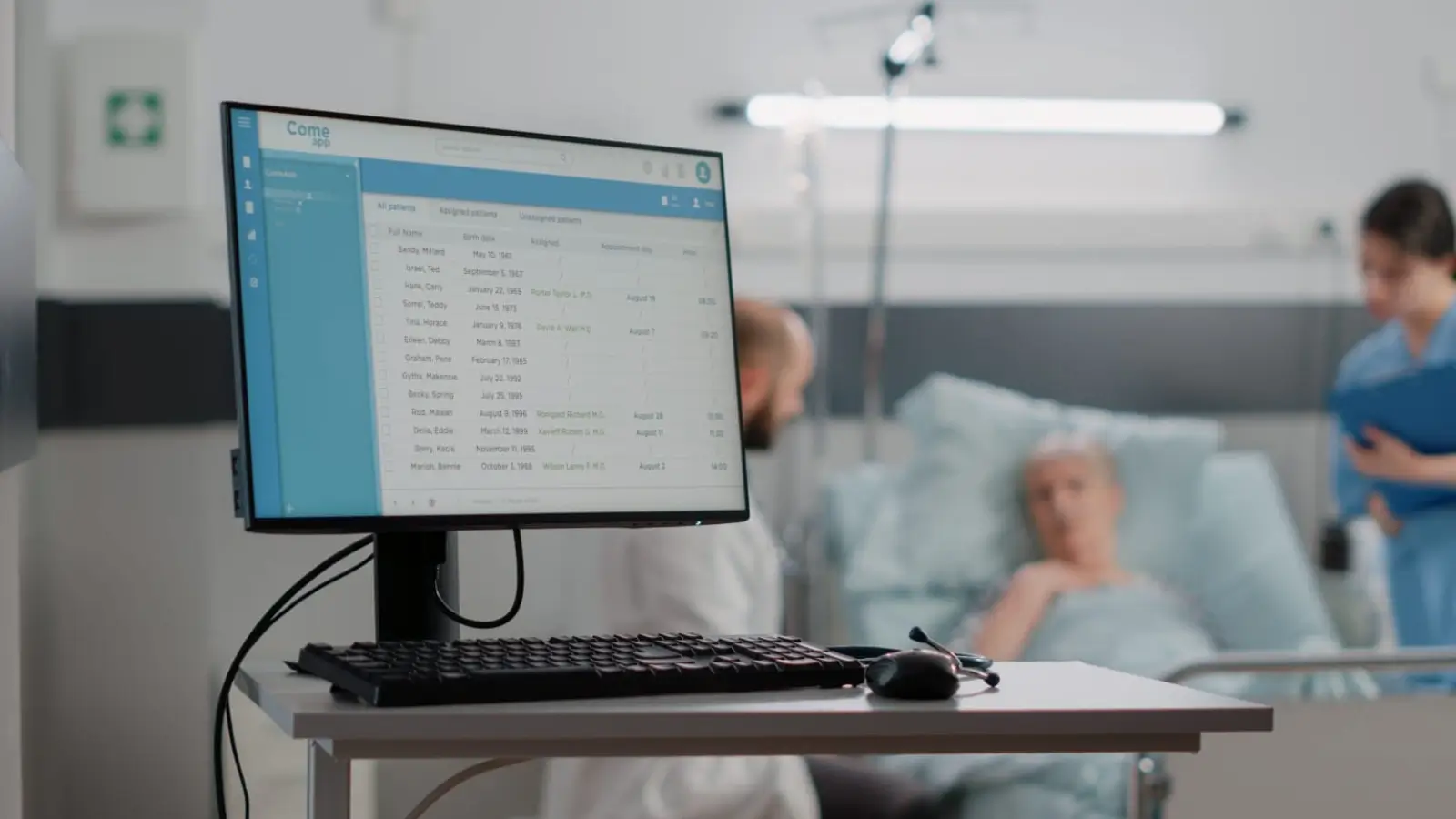
Simply put, RPM software will be a central repository of all the data sent by patient devices. Measurements of blood pressure, glucose levels, oxygen saturation, and reports of the symptoms will be delivered in real time and organized into simple dashboards. This consolidation enables the clinicians to have a quick overview of the general status of patients without having to grade through scattered reports. The software brings out trends, creates visual summaries, and simplifies the large amount of data in a clear way. RPM platforms help providers prevent waiting to see problems grow bigger by allowing the flow of information as a constant stream of data in a format that facilitates quick and effective decision-making.
Bridging Gaps in Communication
Remote care is based on the components of effective communication (both written and timely), and RPM software is the key to sustaining such communication. The security of messaging tools can easily enable patients to pose questions and clinicians to give directions without having to wait until their visit schedule. The video capabilities can also be integrated to provide virtual check-in so that the care teams can respond promptly whenever there is a concern in the data. Automated reminders enhance compliance with medication and the use of the device, eliminating the possibility of missed readings. This layer of communication will ensure the patients are kept entertained and reassured, and provide clinicians with a direct line of communication to intervene should the need arise.
Intelligent Alerting That Reduces Noise
Avoiding alert fatigue can be considered one of the most significant issues of remote monitoring. RPM software resolves this by employing threshold-based alarms, trend identification, and some instances, predictive analytics to understand which changes actually need to be addressed. The software will not give data to the clinician for all the minor variations; rather, it will just indicate those readings that are risky. This smart strategy will enable teams to remain focused on meaningful changes and have more patients to serve. Clinicians are in a position to intervene at an earlier and much more effective stage when the alerts are accurate and actionable.
Seamless Integration With Clinical Workflows
RPM software works best when it integrates with the systems that are familiar to clinicians. The latest platforms are connected to the electronic health records, where the data will be recorded automatically and not manually. This saves the administration work and makes the complete history of a patient complete and up to date. The software has workflow tools that aid in triage, task assignment, care planning, and follow-up scheduling. RPM technology promotes the continuum between remote monitoring and in-person care by removing unnecessary steps.
Empowering Patients Through Usability
One of the important indicators of the RPM success is the ability of patients to use the system comfortably. Efficient software is structured in a simple manner, provides easy guidance, easy interfaces, and easy learning materials. The patients are able to see their own reading, see their progress, and be related to their care team. This openness creates trust and promotes compliance with treatment plans. As soon as individuals are able to observe precisely how their actions affect their health indicators, they will feel more empowered and more willing to remain involved.
Enhancing Provider Efficiency and Population Management
When there is a well-developed RPM software to manage the large population of patients, it becomes much easier. Population-level views will enable the care teams to visualize who is stable, who requires attention, and who is moving towards risk. This publicity encourages active intervention instead of responsive crisis control. Such a possibility to sort, categorize, and track patients by real-time data will make sure the clinician handles the most critical cases initially. Not only does this enhance performance, but it also streamlines the everyday activities of the overworked healthcare teams.
Strengthening Value-Based Care Through Data
Value-based care incentivises organizations to deliver superior results with fewer expenses, and these aims are directly aided by the RPM software. The technology records gains, monitors compliance, and offers a record of intervention in time, which all enhance the performance of a provider according to quality measures. RPM programs yield quantifiable returns by eliminating hospitalizations and minimizing readmissions. It also allows addressing the reporting needs as the healthcare leaders can obtain the insights to improve the strategies and show the effects of remote care initiatives.
Conclusion
RPM software is not just another supporting technology, but the key to the functionality of the virtual care of the modern era. It makes the healthcare ecosystem connected, better communicated, and more efficient, and allows earlier intervention, making patients and clinicians feel supported. With the ever-growing digital health, the role of RPM software will continue to be central to the innovation process, which will push the future in the realm of high-quality care that is available, ongoing, and highly personalized- irrespective of the place where the patient lives.
Business Outstanders brings you sharp insights on tech, business, entrepreneurship, law, crypto, and more. We uncover what’s next. Stay updated, sign up for our newsletter and be part of the future!