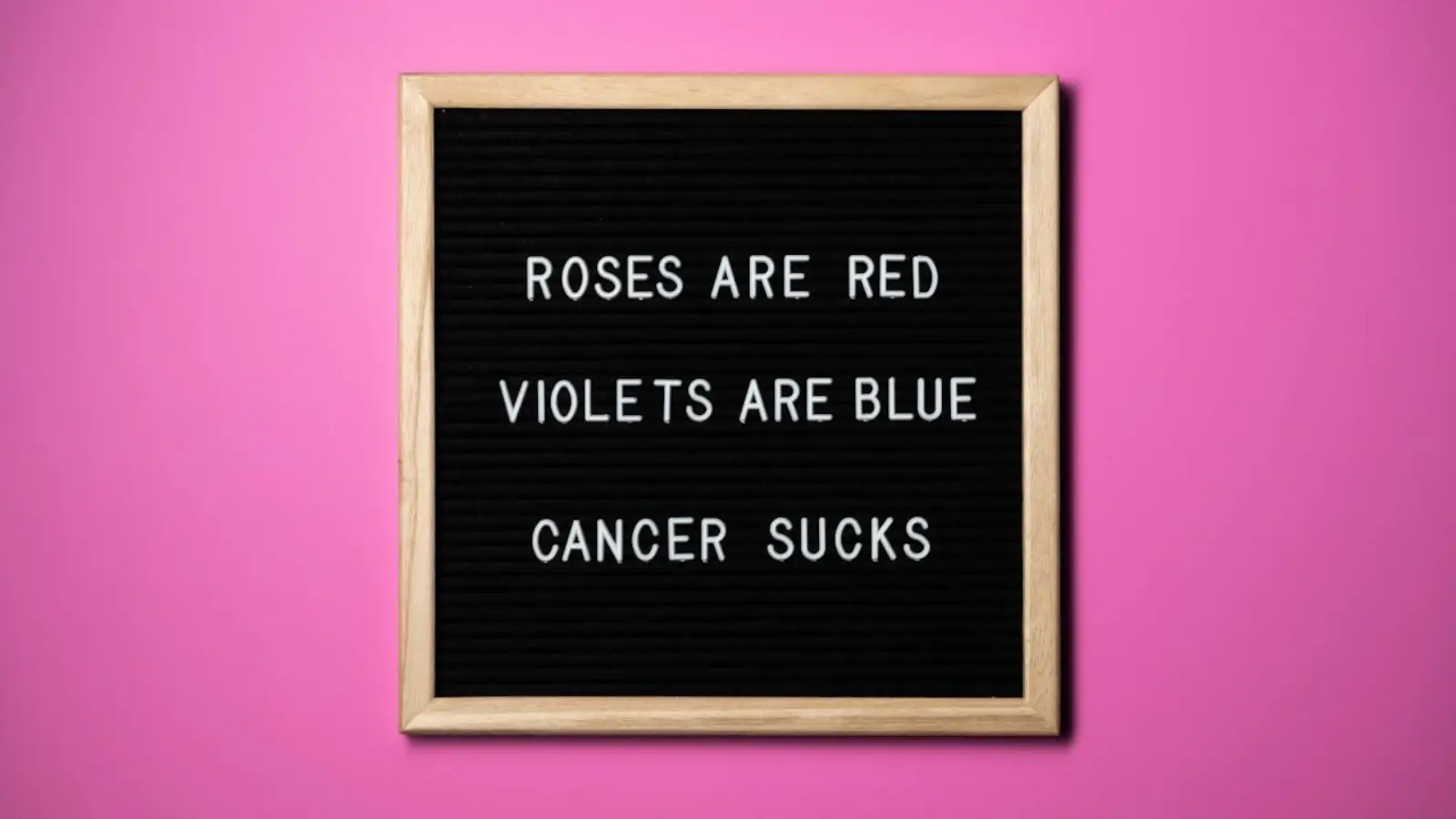
Okay, so let’s get one thing straight right off the bat, there is no classy, graceful, or Instagram-worthy way to react to a cancer diagnosis. None. Zip. Zero. Anyone who claims they handled it “perfectly” is either lying, misremembering, or has reached a stage of enlightenment usually only achieved by monks who live on mountaintops.
A cancer diagnosis is one of those things that hits you like a meteor. It’s shocking, unwelcome, and loudly disruptive. And while you can’t control the diagnosis itself, you can control how you get through it, and remember, you don’t have to fall apart, pretend to be strong 24/7, or turn into an overnight motivational speaker, or any combination of the above at all. You just need a few realistic strategies, a supportive circle, and permission to be human, so let’s talk about that.
1. Step One: Let Yourself React Like a Normal Person
You are only humans, and no human wants to hear the tough news that they have been diagnosed with cancer, so feel free to act and react like a human when you do hear the news.
When you first hear the words, your brain might go into slow motion. Then fast forward. Then freeze. Then meltdown. All of that is normal. Cry if you need to. Sit in silence. Call someone. Don’t call anyone. Swear loudly. Eat a whole loaf of bread. There is no wrong reaction.
Cancer news is big, and your emotions will be big too. Give yourself a moment (or several) to process.
2. Step Two: Do Not Google Everything
Googling cancer symptoms is like typing “slight headache” into a search bar and being told you have minutes to live.
The internet is full of worst-case scenarios, outdated stats, and unfiltered anecdotes that do not reflect your individual situation. Your diagnosis is unique to you - your stage, your subtype, your health, your treatment path.
Your medical team has the real information. Trust that more than any search results at 2 a.m. or you might end up driving yourself crazy.
3. Step Three: Build a Care Squad (No Lone Wolves Allowed)
You might think, “I can handle this myself.” And sure, you could. But why? This is literally the time to gather your emotional Avengers.
Your care squad might include:
-
Family
-
Friends
-
Your oncologist
-
Nurses who somehow always know when you’re about to cry
-
A therapist
-
A neighbor who brings soup
-
A co-worker who quietly takes meetings off your plate
-
The group chat that sends memes instead of pity
Cancer is heavy enough. Let the people who love you carry a slice of the weight because they want to be there for you.
4. Step Four: Break Things Down Into Bite-Sized Decisions
When you’re overwhelmed, everything feels enormous.
Instead of thinking, “I have cancer,” shift to, “Today I’m scheduling a scan,” or, “This morning I’m taking a walk,” or, “Right now, I’m just showing up to this appointment.”
Micro-decisions help keep you grounded. They keep you from spiraling into the cosmic swirl of “what ifs.”
Cancer is big, but you don’t have to deal with all of it at once.
5. Step Five: Get Clear on Your Treatment Plan (Without Becoming a Medical Intern)
Understanding your treatment plan reduces fear because what is unknown is always going to be scarier than facts that you can work with and process, right?
Ask your doctor anything you need to. Seriously. There are no dumb questions.
Ask:
-
What’s the plan?
-
What are the timelines?
-
What side effects should I expect?
-
What happens if the first treatment doesn’t work?
-
What support is available?
Your team expects questions. They prefer informed patients over silent, anxious ones.
For people dealing with rare or advanced cancers, or those navigating complex conditions like relapsed blood cancers, doctors may also discuss more specialized therapies. For instance, patients with relapsed or refractory B-cell acute lymphoblastic leukemia often explore relapsed or refractory B-ALL treatment options as part of a personalized long-term plan. You don’t have to memorize everything, you just need to know that options exist and that your team will walk you through them step by step.
You don’t need to become a cancer specialist, but to be informed will give you more peace of mind.
6. Step Six: Create Routines That Make You Feel Like You
Cancer can disrupt your schedule, your body, your energy, your identity, and honestly, your vibe. One of the best things you can do is build routines that remind you of who you are outside of the diagnosis.
Little things make a huge difference:
-
Morning coffee on the porch
-
A daily walk
-
Listening to your favorite podcast on appointment days
-
Wearing cozy sweaters and refusing to apologize
-
Gaming
-
Crafts, hobbies, TV marathons
-
Music that makes you feel like a main character instead of a patient
You’re still you. Cancer doesn’t get to change that unless you let it.
7. Step Seven: Expect Emotional Whiplash (It’s Normal)
One day you’ll feel hopeful. The next you’ll feel angry. Then sad. Then weirdly calm. Then anxious. Then distracted. Then determined. Your emotions will cycle like a playlist on shuffle. None of this means you’re “not coping well.” It means you’re human. So, give yourself space to feel everything without judgment. Emotional flexibility is one of the strongest coping tools you have.
8. Step Eight: Use Humor When You Can
No, cancer is not funny and we would never say that, but humor is a coping mechanism your brain already knows how to use.
Laugh at the absurdity. Laugh at the awkwardness. Laugh at your doctor’s “appointment reminder” phone calls that always sound like a robot with social anxiety.
Laughter really is not disrespectful; it can be one of the most healing things you can do.
There is no right or wrong way to deal with a cancer diagnosis, but hopefully these ideas will help you to prepare for it and live your best life even at what is going to be one ofd the toughest moments of it.
Business Outstanders brings you sharp insights on tech, business, entrepreneurship, law, crypto, and more. We uncover what’s next. Stay updated, sign up for our newsletter and be part of the future!