The face of healthcare is ever-evolving, with technological advancements and patient-centred care at the forefront of its transformation. Central to this revolution is the design and functionality of medical facilities themselves. Innovative medical centre fit outs are now reshaping the landscape of healthcare spaces, creating environments that not only facilitate exceptional care but also contribute to the healing process.
The Importance of Design in Healthcare Environments
Design in healthcare has long progressed beyond mere aesthetics. Today, it plays a crucial role in operational efficiency, patient recovery, and the wellbeing of healthcare staff. A well-designed medical facility can have an instrumental impact on patient outcomes, translating into faster recovery times and enhanced patient experience. As such, architects and designers are increasingly incorporating evidence-based design principles in their healthcare projects.
Incorporating Technology in Medical Fit Outs
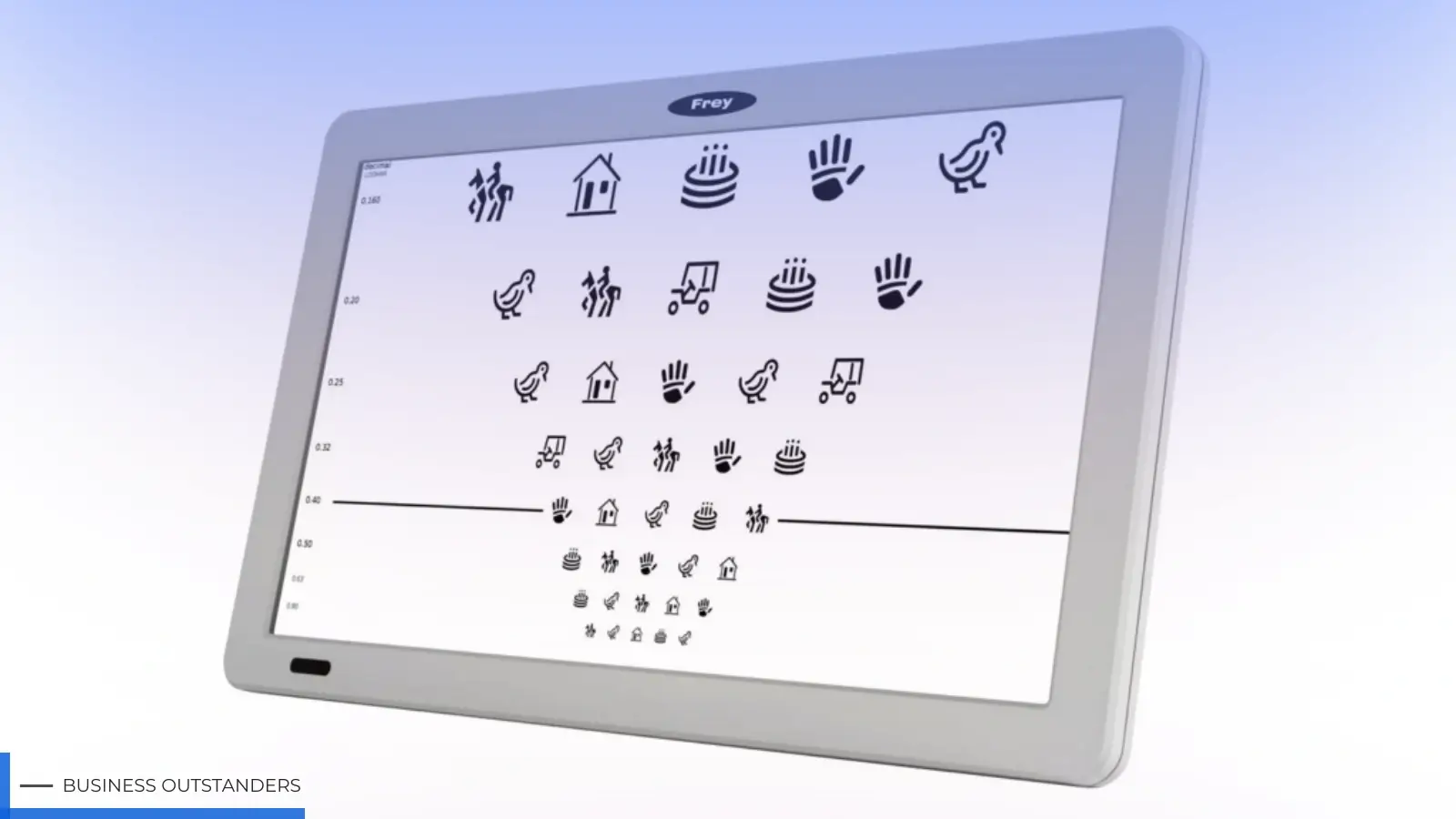
As medical technology advances, healthcare spaces must evolve to accommodate these innovations effectively. This includes ensuring that medical facilities have the infrastructure to support state-of-the-art medical equipment, telemedicine, and digital records. Modern medical centre fit outs often include dedicated spaces for virtual consultations, as well as advanced data management systems to improve the efficiency and accuracy of patient care.
Customisation and Flexibility
Healthcare spaces must also be flexible to adapt to the changing needs of patients and healthcare providers. Customisable fit outs with modular designs allow spaces to be reconfigured with ease, ensuring that they can cater to a wide range of medical services and adapt to future technological advancements.
Patient-Centred Design
Putting the patient at the heart of the design process is paramount. This involves creating spaces that are not only functional but also comforting and stress-reducing. This can mean incorporating elements of nature, such as indoor plants and natural light, as well as designing intuitive wayfinding systems to reduce confusion and anxiety for patients and visitors.
Enhancing Functionality and Efficiency
For healthcare staff, functionality and efficiency are key components of a successful work environment. Design elements such as ergonomic workstations, streamlined patient flow, and strategically placed medical supplies can significantly improve productivity, reduce errors, and enhance overall healthcare delivery.
Safety and Accessibility
In medical centre fit outs, safety and accessibility are non-negotiable. Spaces must abide by stringent health and safety regulations and be accessible to all individuals, including those with disabilities. Materials and finishes are selected not only for their durability and ease of cleaning but also for their compliance with health and safety standards.
Creating Welcoming Environments
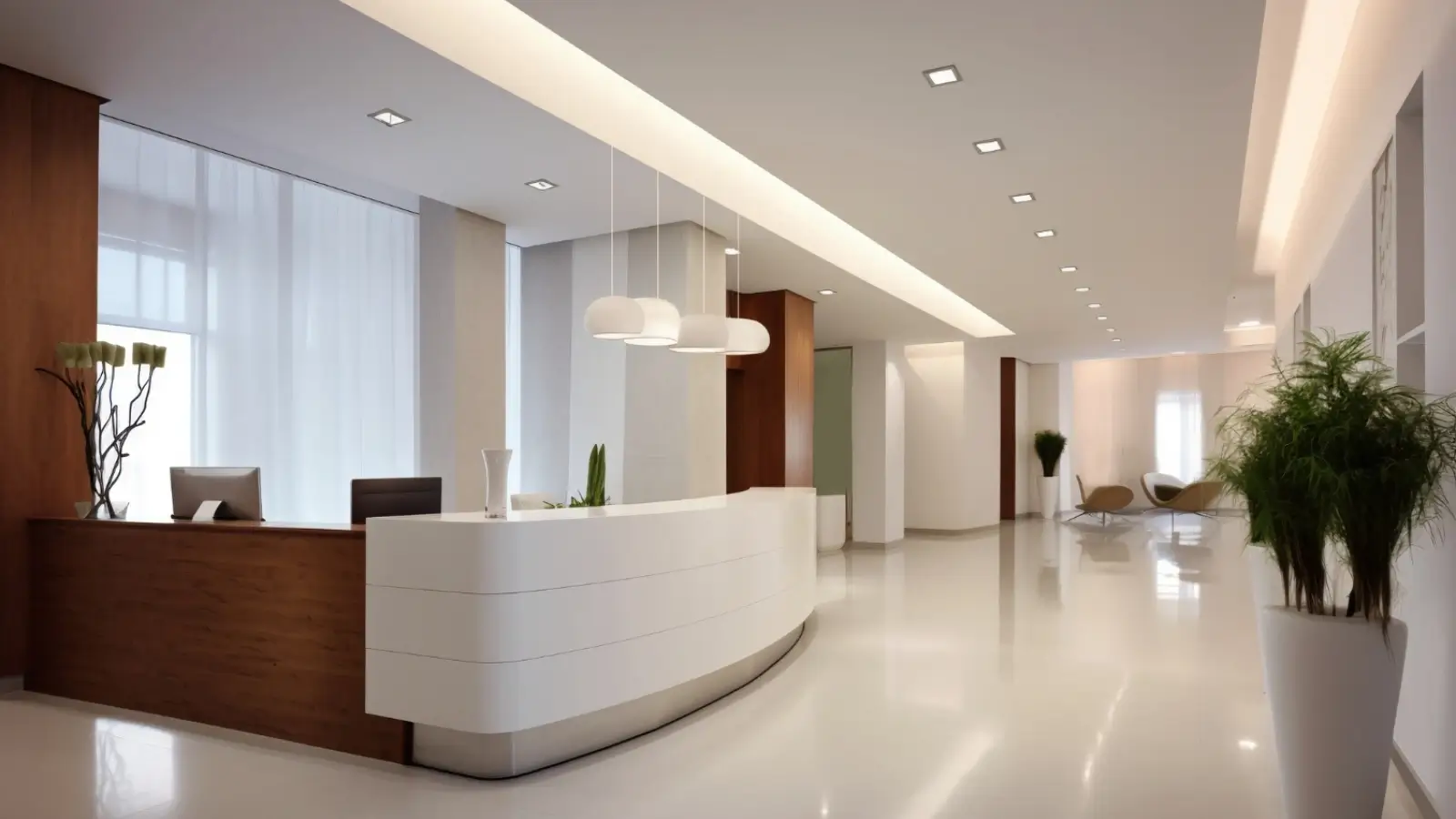
The ambiance of a medical centre can significantly influence a patient's perception of their care. Warm and welcoming environments help ease the inherent tension associated with medical visits. Thoughtful layouts that promote interaction yet maintain privacy, along with the use of calming colours and textures, contribute to creating a more approachable space.
Sustainability in Healthcare Design
Sustainable practices are now a critical consideration in healthcare design. This extends from the construction materials chosen to the energy efficiency of the building. By incorporating sustainable solutions, medical centres not only reduce their environmental footprint but also promote a healthier indoor environment for both patients and staff.
Case Studies of Success
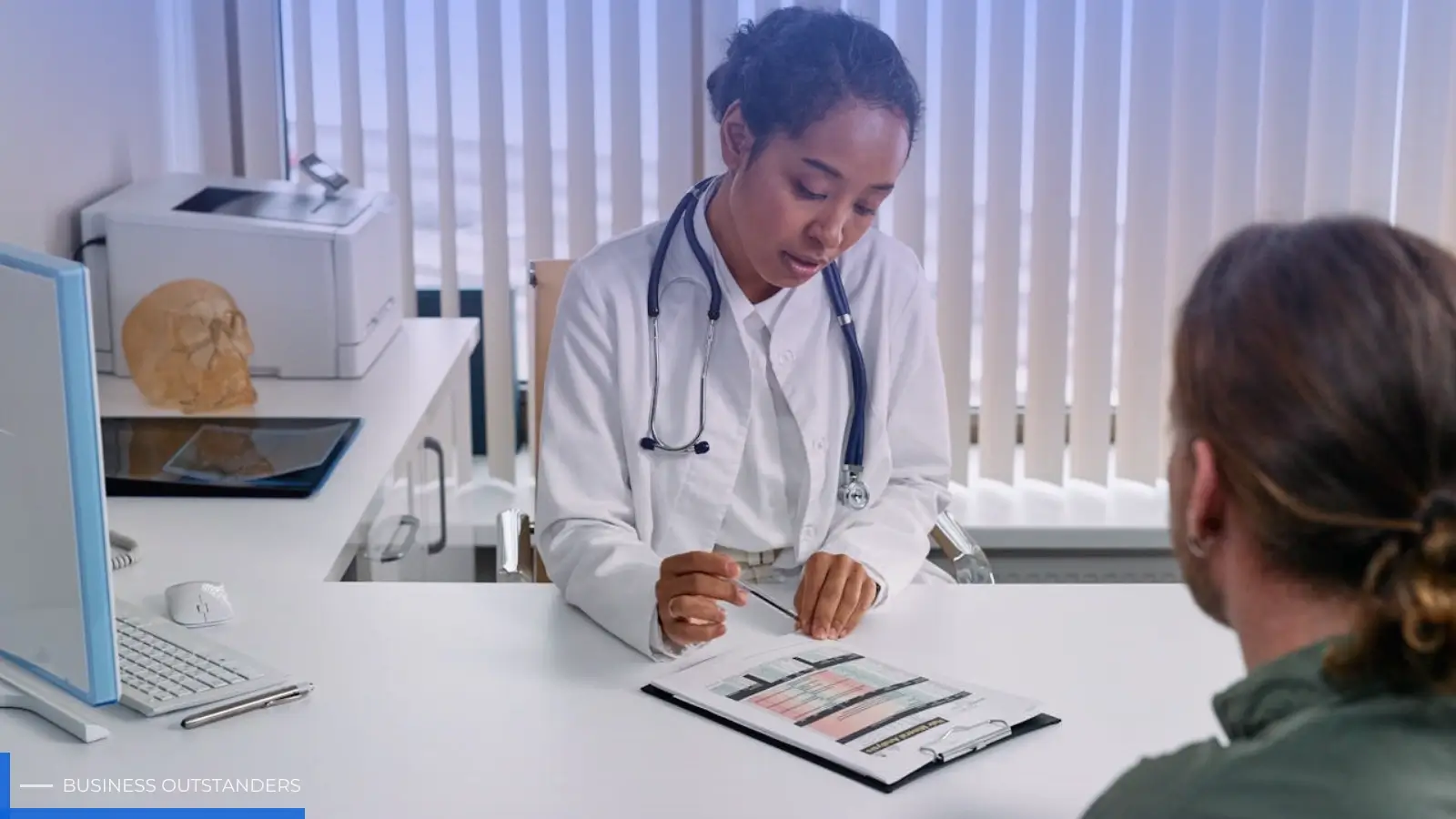
The benefits of innovative medical centre fit outs are not just theoretical. There are numerous instances where a well-executed fit out has led to measurable improvements in patient satisfaction and operational efficiency. Reviews and testimonials from healthcare professionals and patients alike underline the importance of intelligent healthcare design.
Overcoming Challenges in Healthcare Fit Outs
Successfully implementing a medical centre fit out is not without its challenges. These projects require thorough planning and careful consideration of current and future healthcare needs. Balancing budget constraints with the demands of cutting-edge healthcare provision calls for expertise and innovation in healthcare facility planning.
Collaboration is Key
An effective medical fit out is often the result of collaboration between healthcare providers, designers, architects, and construction professionals. Each brings their unique expertise to the table, ensuring that the finished product meets the high standards required for a modern medical facility.
Looking to the Future
As the demands on healthcare systems continue to grow, so too will the need for innovative medical centre fit outs that push the boundaries of traditional design. Adaptive, patient-centred, and technology-ready spaces will enable healthcare providers to meet the challenges of modern-day medicine and provide the best possible patient care.
Investing in Healthcare Spaces
Ultimately, an investment in advanced medical centre fit outs is an investment in the future of healthcare. By prioritising the needs of patients and healthcare workers, and utilising the latest in design innovation, medical centres can set a new standard in healthcare excellence.
In conclusion, healthcare design is rapidly transforming to meet the complex needs of the 21st-century patient. Innovative medical centre fit outs are at the forefront of this transformation, improving not only the delivery of medical care but also the healing environment for patients. These sophisticated designs provide a framework for future healthcare facilities that are efficient, sustainable, and patient-focused, continuing to revolutionise the way we think about and utilise healthcare spaces.
Business Outstanders brings you sharp insights on tech, business, entrepreneurship, law, crypto, and more. We uncover what’s next. Stay updated, sign up for our newsletter and be part of the future!