The modern executive landscape is defined by relentless connectivity, high-stakes decision-making, and an implicit demand for constant availability. While financial metrics and quarterly projections often dominate the boardroom conversation, a silent crisis is emerging among top-tier leadership: the gradual erosion of personal well-being. For years, the archetype of the successful CEO involved a certain level of stoicism. Stress was worn as a badge of honor, and sleep was considered a luxury that only the less ambitious could afford.
However, this narrative is shifting rapidly. As burnout rates climb and the reliance on maladaptive coping mechanisms such as high-functioning alcoholism becomes more visible, leaders are seeking solutions that protect both their health and their professional legacies. The answer for many is not found in a local clinic but in destination wellness. This approach combines medical necessity with the privacy and exclusivity that high-profile individuals require.
The Strategic Intersection of Health and Performance
There has long been a misconception in the corporate world that personal health and professional output are separate entities. Executives often compartmentalize their physical needs, delaying care until a crisis forces their hand. This approach is increasingly viewed not just as a personal failure but as a significant business risk. Forward-thinking leaders are now reframing recovery and wellness as performance optimization rather than merely damage control.
In recent discussions regarding healthcare and performance, experts have emphasized that sustainable leadership requires addressing the invisible drivers of well-being before they impact the bottom line. When a leader ignores these drivers, the cost is not merely personal. It ripples through the organization in the form of poor decision-making, reduced visionary capacity, and a toxic trickle-down effect on company culture. Recognizing this connection is the first step. The second is finding an environment conducive to repairing the damage without compromising professional standing.
Privacy and the Appeal of Medical Tourism
For high-profile individuals, seeking help for substance use or severe burnout presents a unique logistical challenge: privacy. Local treatment centers, no matter how exclusive, carry the risk of recognition. A chance encounter with a business partner or a leak to the press can have devastating effects on a company's stock value or public image. This necessity for discretion has fueled the rise of executive medical tourism. Leaders are increasingly traveling to remote, luxurious locations where they can undergo intensive therapy in complete anonymity.
Southeast Asia has emerged as a premier hub for this specific sector of medical travel, combining clinical excellence with high-end hospitality. For instance, opting for an alcohol recovery retreat in Thailand offers more than just distance from the office. It provides a physical separation from the triggers, social circles, and daily stressors that fuel addiction. By stepping out of their usual environment, executives can engage in a recovery process that feels less like a medical intervention and more like a strategic sabbatical. The goal is to return to the boardroom not just sober, but mentally sharper and emotionally more resilient.
The Science of Environmental Change
Traveling for recovery is supported by more than just the desire for privacy. It is backed by psychological principles. Cognitive science suggests that changing one's physical environment is one of the most effective ways to break habitual neural pathways. When an individual remains in the same house, drives the same commute, and sits in the same office, their brain is constantly bombarded with cues associated with their stress and substance use. Removing these environmental cues creates a window of neuroplasticity, making it easier to adopt new behaviors and perspectives.
Benefits of Destination Recovery for Executives
- Absolute Anonymity: Being thousands of miles away ensures that recovery remains a private medical matter rather than a public discussion, protecting both personal reputation and brand integrity.
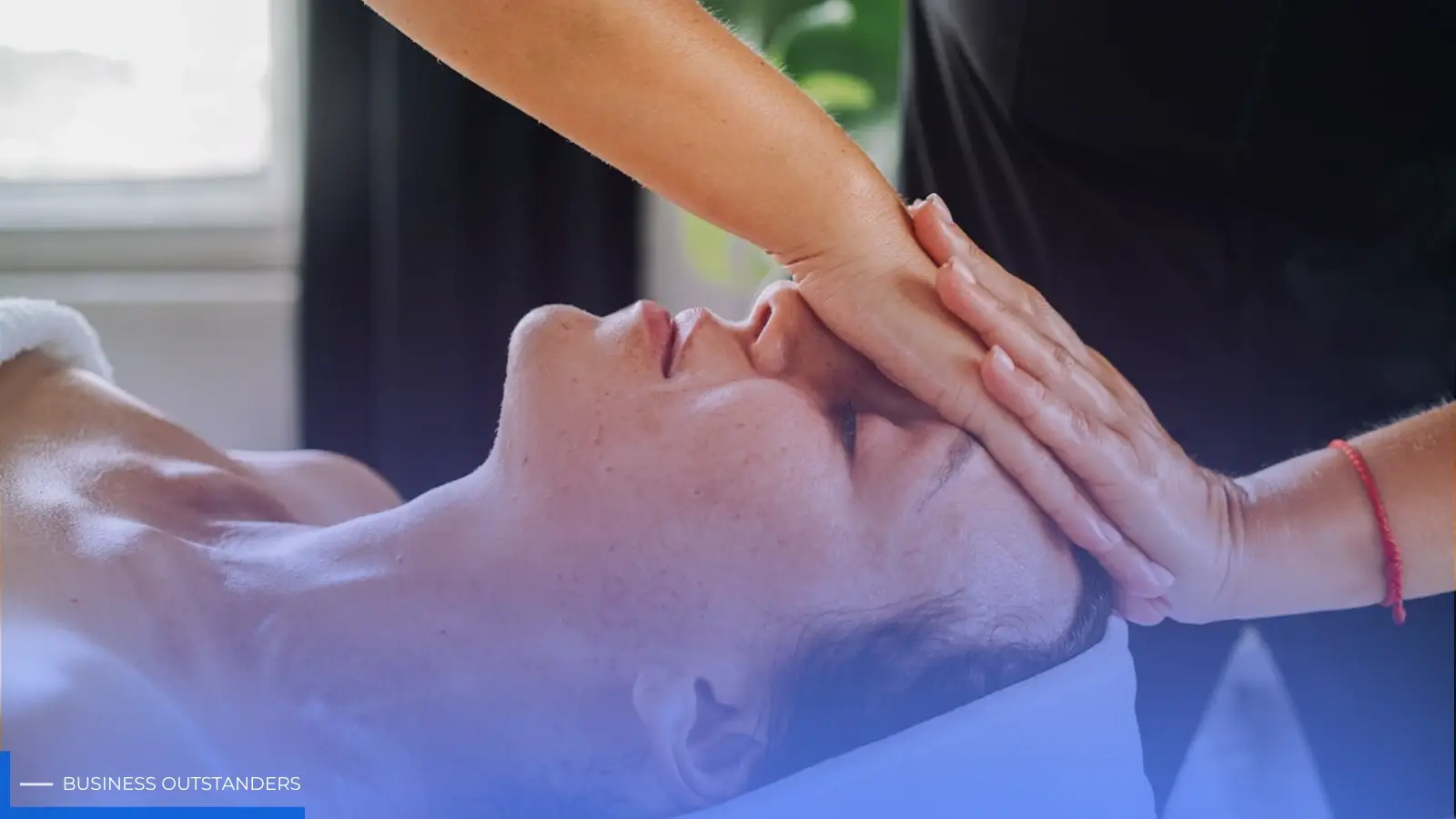
- Holistic Integration: Top-tier international centers often combine clinical psychology with physical therapies, such as yoga, massage, and fitness training, which are essential for repairing the physical toll of executive stress.
- Perspective Shift: The simple act of being in a culturally different, nature-rich environment can lower cortisol levels and help leaders detach from the tunnel vision of corporate life.
The global health community is beginning to validate the importance of these environmental factors and the necessity of managing psychosocial risks. According to the World Health Organization, mental health at work is a growing area of interest, with data indicating that unsafe organizational cultures and excessive workloads are significant risks to psychological safety. Their findings suggest that effective interventions must go beyond simple policy changes. They often require individuals to step away from the pressure cooker of the workplace to reset their mental state effectively.
Investing in Longevity
The narrative around executive recovery is maturing. It is no longer viewed solely as damage control but as a necessary investment in leadership longevity. Just as a Formula 1 team would not hesitate to pull a car into the pit stop for essential maintenance to ensure it finishes the race, corporations and their leaders are realizing that pausing for deep, restorative care is a strategic advantage.
By prioritizing wellness through destination recovery, executives are securing their future. They are ensuring that they possess the clarity, energy, and stability required to navigate the complex business challenges of the next decade. Recovery, in this light, is the ultimate form of risk management. It transforms a potential liability into a renewed asset, ensuring that leadership remains sustainable, effective, and resilient in the face of relentless demand.
Business Outstanders brings you sharp insights on tech, business, entrepreneurship, law, crypto, and more. We uncover what’s next. Stay updated, sign up for our newsletter and be part of the future!