Introduction
In today’s hyperconnected digital marketplace, where customers swipe, scroll, and click through dozens of offers daily, businesses often overlook one powerful, tangible tool—print. While online channels compete for shrinking attention spans, printed materials offer a tactile, focused, and often more personal experience that resonates with buyers in a different way.
But not all print is effective. A glossy brochure alone won’t convert a lead unless it’s part of a well-thought-out strategy that includes format, timing, personalization, and delivery. When printing services are integrated with mailing services and supported by a fulfillment center, businesses unlock a new level of campaign control that can lead to better conversion and brand retention.
Companies like Mail Processing Associates understand that when done strategically, print can be a standout performer in today’s marketing mix. Let’s explore how modern print campaigns rise above the noise and lead to measurable results.
The Print Renaissance: Tactile in a Digital World
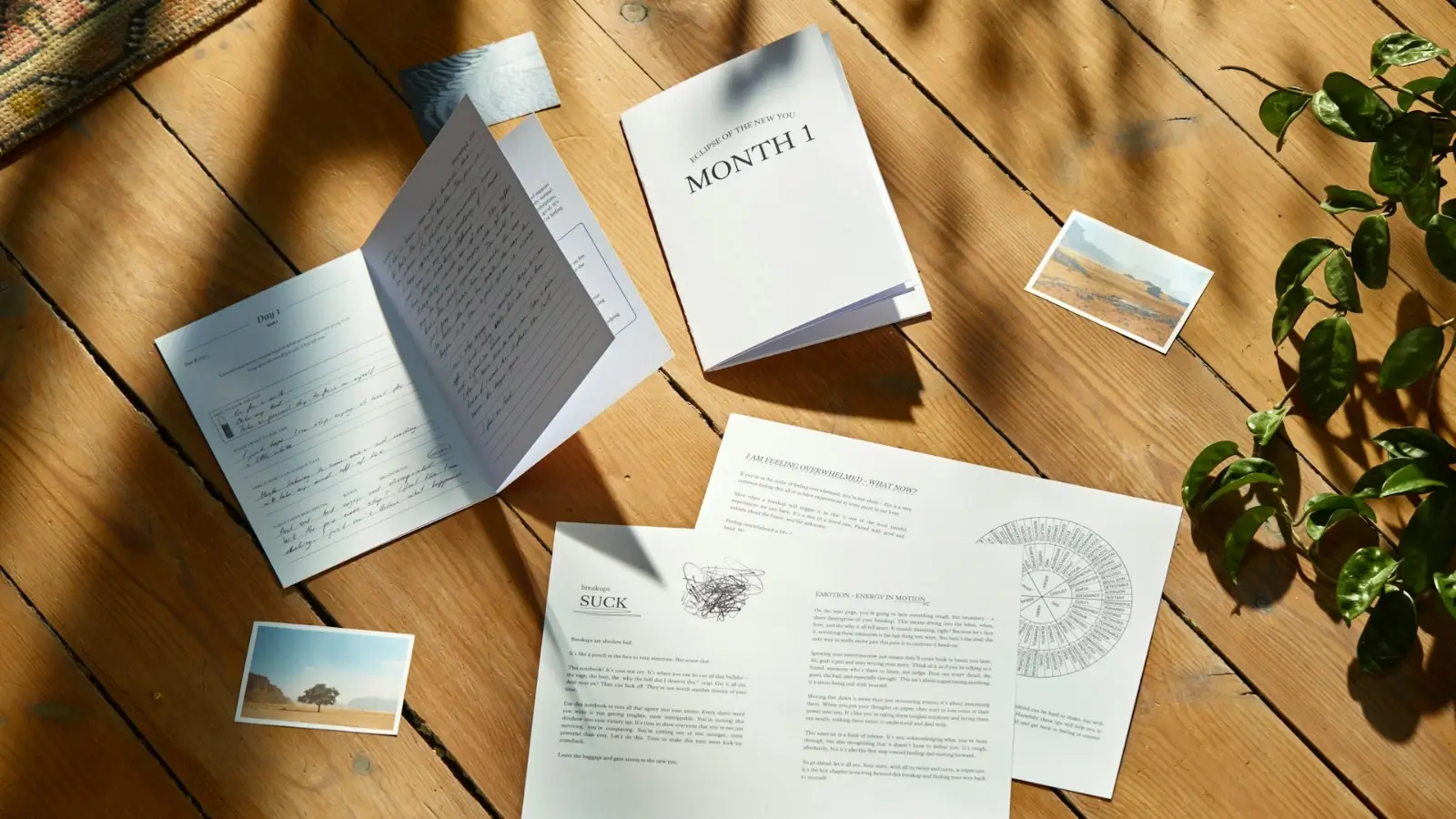
It’s easy to assume print is a thing of the past. But in reality, print is experiencing a strategic revival—not because it’s nostalgic, but because it offers an experience digital platforms can’t replicate. Holding a beautifully designed booklet, feeling the texture of the paper, or unfolding a custom-sized mailer creates a moment of pause. That moment often translates into longer attention and higher engagement.
Print appeals to multiple senses and delivers uninterrupted messaging—no pop-ups, no notifications, no algorithmic distractions. That physical presence increases retention, making recipients more likely to remember what they saw and act on it.
Choosing the Right Format for the Right Message
The format of your printed piece is more than a creative decision—it’s a tactical one. Different formats serve different objectives. Postcards work well for short, urgent calls to action. Folded brochures suit educational messages or service explanations. Catalogs excel at showcasing product variety and seasonal promotions.
Effective campaigns match format to intent:
-
Trifold brochures to guide recipients through a linear story
-
Die-cut mailers to introduce a new product with visual flair
-
Multi-page booklets for service-based businesses requiring detailed breakdowns
-
Self-mailers to reduce production and mailing costs while still delivering impact
Working with experienced printing services ensures the chosen format is both production-efficient and strategically aligned with campaign goals.
Personalization: Moving Beyond “Dear Customer”
Gone are the days when personalization meant nothing more than a printed name. Today’s customers expect relevance. They want content that reflects their location, interests, behaviors, or previous purchases. And with the right data infrastructure, print can deliver on those expectations—just like digital channels do.
Variable data printing enables:
-
Custom images or messages based on demographic segments
-
Targeted offers based on purchasing history
-
Personalized URLs or QR codes tied to individual responses
When executed correctly, personalized mail becomes more than a piece of paper—it becomes a customized interaction. This type of engagement builds trust and relevance, leading to higher conversion rates.
Timing and Sequencing in Print Campaigns
Print may seem slower than digital, but when aligned properly, its timing can feel just as responsive. A well-coordinated print campaign doesn't happen in a vacuum—it’s often part of a sequence that supports and reinforces digital efforts.
Here’s how businesses successfully time print campaigns:
-
Send a mailer a few days before a key promotional email to build anticipation
-
Deliver thank-you mail after a digital form is submitted, reinforcing commitment
-
Trigger a follow-up postcard if a user abandons a cart or leaves an inquiry incomplete
Mailing services and fulfillment centers work together to execute these schedules efficiently. When mailing is connected to real-time CRM data, businesses can automatically trigger physical mail based on digital behaviors.
Design Principles That Drive Action
Design isn’t just about beauty—it’s about effectiveness. Well-designed print campaigns follow principles that lead the reader toward a decision. The most successful materials use hierarchy, whitespace, color, and imagery not just for aesthetics, but for guiding attention and reinforcing brand identity.
To improve conversion:
-
Place calls to action above the fold or on highlighted panels
-
Use directional cues, such as arrows or line breaks, to guide the eye
-
Reinforce messaging with bold headlines and concise benefit-driven copy
-
Include multiple response options: phone, web, QR code, or physical reply card
Printing services that support professional design integration help translate digital aesthetics into physical form without losing impact.
Fulfillment Centers Make Execution Possible
Behind every successful print campaign is a backend that handles the logistics. Fulfillment centers store printed stock, coordinate production runs, insert materials, and manage mailing schedules. They allow for more agile campaign execution without burdening in-house teams.
Fulfillment centers also provide:
-
Inventory tracking to avoid overprinting or running short
-
Custom kit assembly for personalized or event-specific packages
-
Reporting on delivery status and campaign reach
-
Coordination with mailing services for optimized postal routing
When print campaigns rely on precise timing or high levels of customization, fulfillment services are the operational foundation that ensures execution matches intent.
Tracking Print Campaign Results
Just because a campaign is printed doesn’t mean it's invisible. Modern tools allow businesses to track how recipients interact with print pieces, especially when paired with digital touchpoints.
Common tracking methods include:
-
Unique phone numbers tied to printed pieces
-
Custom landing page URLs or QR codes
-
Coupon codes exclusive to mail campaigns
-
Address-level response tracking using CRM integrations
This data helps marketers understand what formats, messages, and audience segments respond best, allowing for smarter future print campaigns.
Use Cases That Show Print’s Potential
Print continues to deliver strong results across industries:
-
Healthcare: Appointment reminders, onboarding kits, educational brochures
-
Financial services: Policy documents, statements, marketing guides
-
Retail and eCommerce: Product catalogs, discount flyers, reorder incentives
-
B2B: Whitepaper mailers, conference follow-ups, branded samples
In each case, the key to effectiveness lies in aligning the message, format, and timing with audience needs—and supporting it with reliable printing and mailing services.
Conclusion
Print campaigns still convert—especially when they’re done right. From selecting the correct format and personalizing content to integrating mailing schedules and leveraging fulfillment centers, every piece of the process matters.
Brands like Mail Processing Associates understand that print is not simply about putting ink on paper—it’s about creating moments that stand out. By combining the tactile impact of printed materials with strategic planning and seamless execution, businesses can craft campaigns that cut through the clutter and inspire real action.
In a digital-heavy market, smart print marketing offers clarity, focus, and connection. It doesn’t just inform—it performs.
Business Outstanders brings you sharp insights on tech, business, entrepreneurship, law, crypto, and more. We uncover what’s next. Stay updated, sign up for our newsletter and be part of the future!