The modern business environment demands mobility. Whether you are transporting delicate audiovisual equipment for a global summit or moving high-precision medical tools between clinics, your company's physical assets represent a significant financial investment. However, many organizations treat logistics as a secondary concern, often relying on standard packaging that fails to meet the rigors of professional transit.
A high-quality flight case is not an expense but a strategic asset that safeguards your operational capability. Understanding the Return on Investment (ROI) of professional protection requires looking beyond the initial purchase price and evaluating the long-term savings in repairs, replacements, and reputation.
The Real Cost of Equipment Damage in Transit
The financial impact of damaged equipment extends far beyond the price of the item itself. When a piece of technology arrives at a destination non-functional, the business faces a cascade of indirect costs. These include lost billable hours, the cost of expedited shipping for replacements, and the labor required to troubleshoot and manage insurance claims.
According to data, electronics experience a 3% to 7% damage rate during shipping due to their sensitivity to shock and vibration. In the global logistics industry, freight damage is estimated to cost between $50 billion and $60 billion annually. For a single company, these losses can represent a significant share of the total transportation budget. By utilizing a professional flight case, businesses can significantly lower these percentages, ensuring that assets remain in peak condition regardless of the handling environment.
Enhancing Operational Efficiency through Purpose-Built Housing
Efficiency is the cornerstone of a profitable business. Standard cardboard boxes or flimsy plastic bins require excessive amounts of single-use packing materials, such as bubble wrap and tape. This process is time-consuming and generates substantial waste.
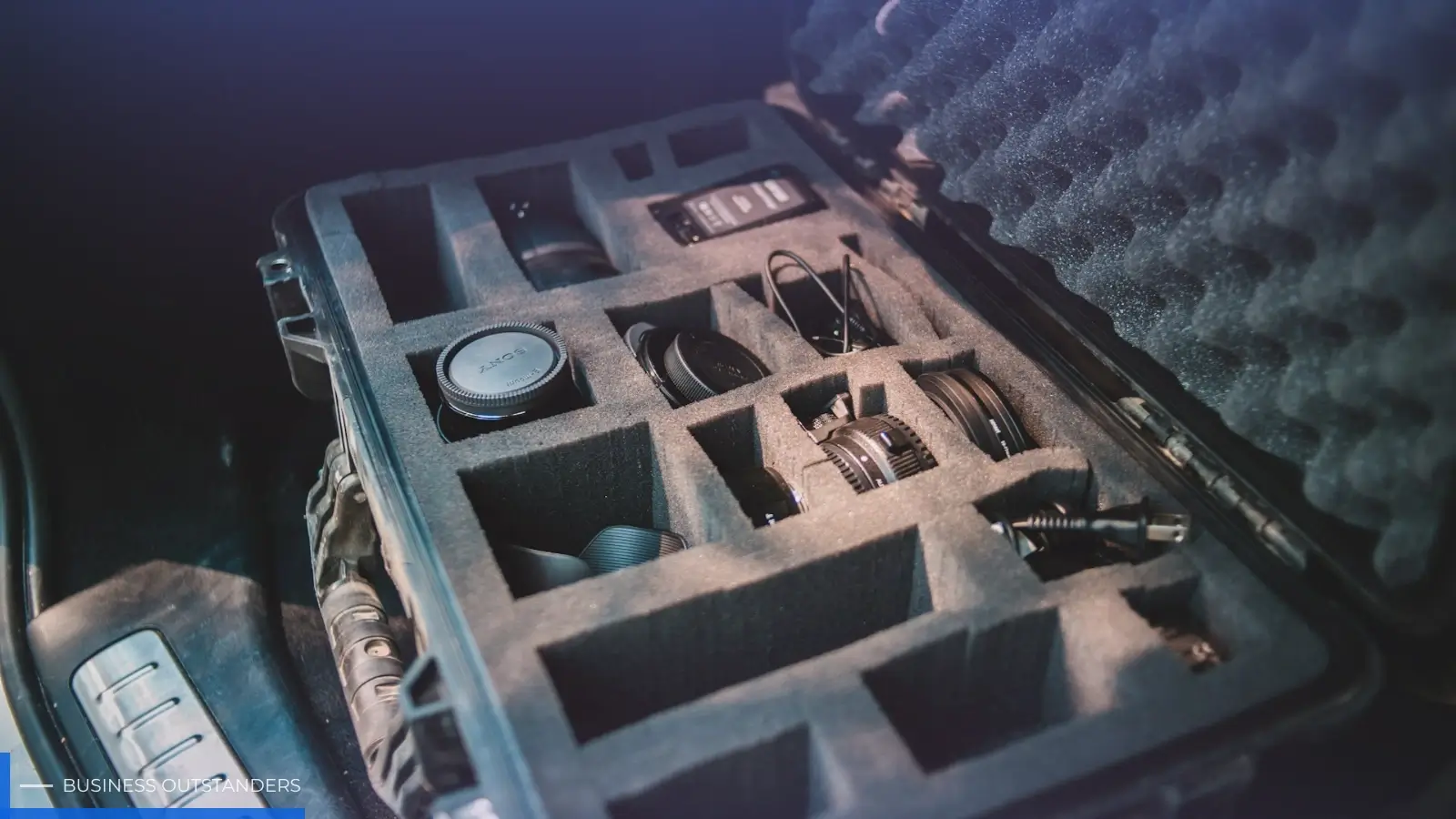
Professional cases are engineered for rapid deployment. With custom foam inserts, every component has a dedicated space. This organization allows staff to pack and unpack equipment in a fraction of the time. Furthermore, the ability to quickly verify that every piece of gear is present before leaving a site prevents the accidental loss of small, expensive accessories. This systematic approach to gear management reduces the downtime between projects and increases the number of jobs a team can handle within a month.
Longevity and the Lifecycle of Business Assets
Sustainability in business often focuses on energy use, but the lifespan of physical tools is equally important. Replacing expensive equipment every two years due to wear and tear is a poor use of capital. A well-constructed case acts as a shield against environmental factors such as moisture, dust, and extreme temperature fluctuations.
According to a report, the cost of machinery and spare parts has increased sharply, with some repair claims now costing twice as much as they did before the pandemic. With inflation driving up the price of high-end hardware, extending the life of your current inventory is a financial necessity. Investing in a durable housing solution ensures that your gear stays operational for its intended lifecycle, maximizing the utility of every dollar spent on technology.
Professionalism and Brand Perception
First impressions are vital in B2B relationships. Arriving at a client site with battered boxes sends a message of disorganization and a lack of care for your own tools. Conversely, arriving with clean, branded, and professional cases demonstrates that your company is prepared and treats its equipment with respect.
This visual representation of quality builds trust with partners and investors. It suggests that if a company takes such care with its own assets, it will provide the same level of attention to the client's needs. In competitive industries like event production, broadcasting, or specialized engineering, these subtle cues of professionalism can be the deciding factor in securing repeat contracts.
Strategic Risk Mitigation and Insurance Benefits
Risk management involves identifying potential points of failure and implementing measures to prevent them. In a supply chain where goods pass through multiple hands—from warehouse staff to third-party couriers—the risk of human error is high. High-end cases are designed to withstand drops, stacking pressure, and rough handling that would destroy standard packaging.
Some insurance providers may look more favorably upon companies that demonstrate a commitment to loss prevention. By documenting the use of industry-standard protection for high-value shipments, businesses can sometimes negotiate better terms or ensure that claims are processed more smoothly. Proactive protection demonstrates a commitment to reducing the "claims ratio," a key metric insurers use to determine premiums.
Versatility Across Diverse Industries
The utility of these protection solutions is not limited to the entertainment sector. Various industries have adopted these tools to solve unique logistical challenges:
- Medical and Scientific: Transporting sensitive diagnostic tools that require precise calibration.
- Engineering and Construction: Moving high-value laser levels and testing equipment to rugged job sites.
- Catering and Hospitality: Ensuring that specialized kitchen tech or high-end display pieces arrive without a scratch.
- Information Technology: Protecting portable server racks and networking gear during office relocations or remote setups.
In each of these scenarios, the primary goal remains the same: ensuring the asset is ready to perform the moment it is removed from the case.
Making the Right Investment Choice
When selecting a protection solution, it is important to evaluate the specific needs of the gear. Factors such as weight, fragility, and travel frequency should dictate the choice of materials. Plywood reinforced with steel corners offers the highest level of durability for heavy items, while lighter composite materials may be suitable for gear primarily moved by hand.
The internal configuration is just as critical as the outer shell. Closed-cell foam provides superior shock absorption compared to open-cell alternatives and does not degrade over time. This ensures that even after years of use, the equipment remains snugly fitted and protected from the internal movement that often causes scratches or internal hardware failure.
Conclusion
In pursuit of growth, businesses must protect the tools that enable it. The ROI of a high-quality case is found in the absence of crises—the repair bill that never arrived, the client who was impressed by a seamless setup, and the equipment that still works perfectly five years after purchase.
By integrating professional protection into your logistics strategy, you are prioritizing reliability and financial prudence. In a world where supply chains are increasingly unpredictable, having total confidence in the safety of your physical assets is a significant competitive advantage. Investing in the right protection today ensures that your business stays mobile, professional, and ready for whatever the next project demands.
Business Outstanders brings you sharp insights on tech, business, entrepreneurship, law, crypto, and more. We uncover what’s next. Stay updated, sign up for our newsletter and be part of the future!