In Canada, warehouse managers, equipment operators, logistics teams, and industrial buyers often need covered storage that can be added quickly without the cost and lead time of a full building project. This need appears in service yards, small distribution sites, seasonal work areas, and mixed industrial properties where tools, parts, light equipment, and packaged materials must be protected from rain, snow, and debris. A Metal Garage Shed is relevant in this setting because it provides enclosed storage space with simpler installation than a permanent structure, while still improving organization and site readiness.
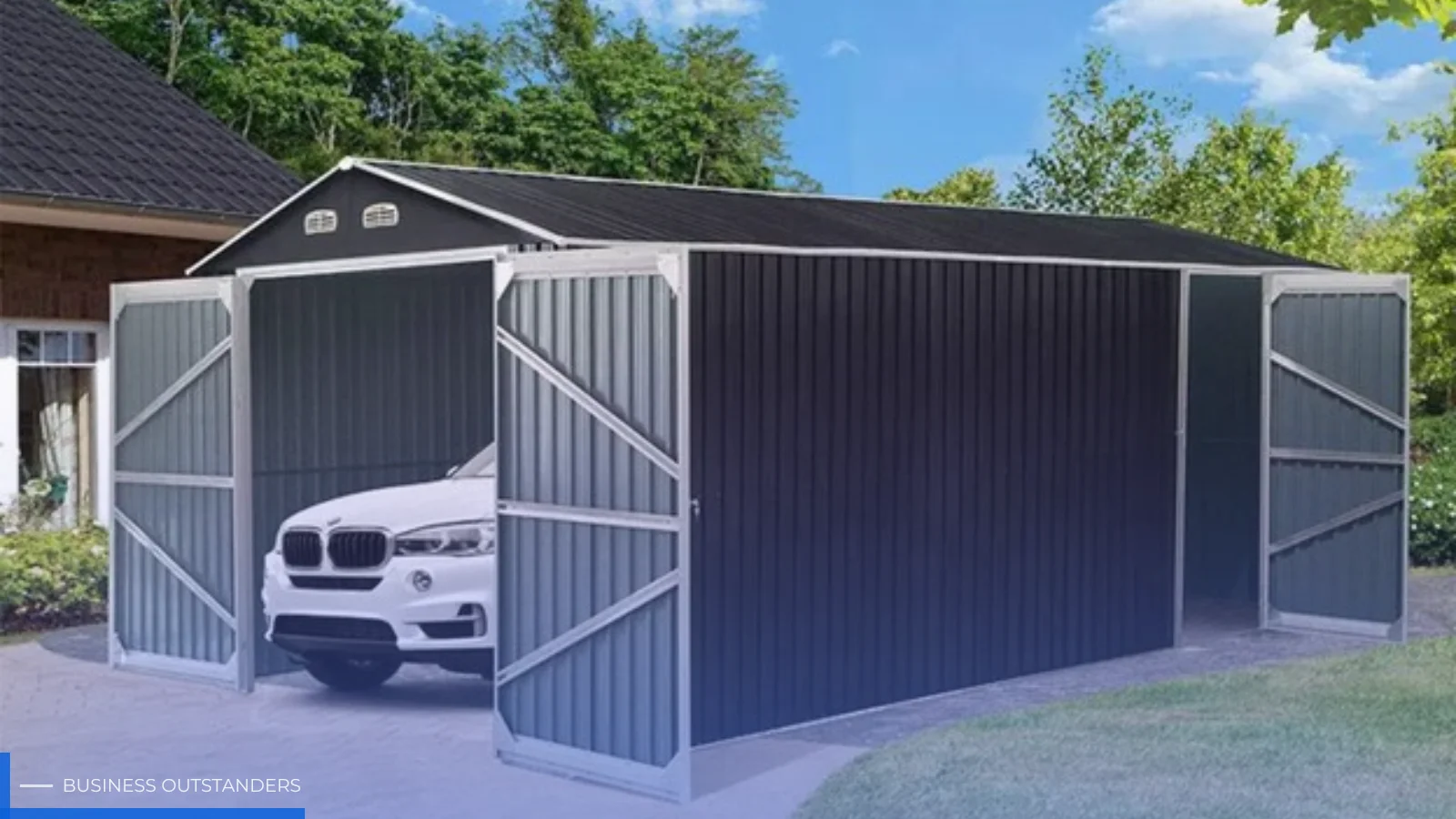
One example is the Metal Garage Shed, listed as a 10 foot by 20 foot structure with double front doors, a side entry door, about 185 square feet of floor space, 75 inch wall height, and a 92 inch peak height. These features show why this type of shed can support storage, access control, and basic equipment protection in working environments where space and weather planning matter.
How a Metal Garage Shed Is Used
Basic function
A metal garage shed creates enclosed space for storing tools, maintenance items, seasonal stock, and small machines. Compared with open storage or a simple canopy, it adds wall protection, controlled access, and better separation between stored materials and active traffic areas. In practical use, this can improve housekeeping and reduce weather-related damage.
Common industrial use cases
· Storing groundskeeping tools and light service equipment
· Holding spare parts and maintenance supplies near active work zones
· Creating overflow storage for seasonal materials
· Protecting carts, compact machines, and packaged stock from weather
· Supporting site organization on rural or mixed-use properties
Why Efficiency, Safety, and Productivity Matter
Storage affects more than appearance. Poorly protected materials can slow work, increase replacement cost, and create avoidable handling steps. When a site has an organized enclosed storage area close to the point of use, operators spend less time relocating equipment and searching for supplies. This can improve maintenance response and support more consistent daily workflow.
Safety also improves when materials are stored in a defined structure instead of along fences, under tarps, or in travel paths. A shed can reduce trip hazards and improve control of tools and supplies. However, it only supports safety when loading limits, access routes, ventilation, and housekeeping are managed correctly.
Technical Foundations and Capability Considerations
Before selecting a TMG Industrial Metal Garage Shed, buyers should review several core factors:
- Available footprint and access clearance
- Door opening size for the intended equipment
- Wall and roof height for practical storage use
- Base preparation, anchoring, and drainage conditions
- Expected snow, wind, and moisture exposure
- Whether the shed will store general tools or heavier equipment
These factors shape real usefulness. A shed may look suitable on paper, but if the access opening is too small, the surface is unstable, or drainage is poor, the structure will not perform as intended. Planning should therefore focus on daily use, not only nominal size.
What Affects Performance and Effective Use
Performance depends on site preparation, assembly quality, weather exposure, and maintenance. Uneven ground can affect door alignment and frame stability. Standing water can accelerate corrosion at the base. Snow buildup near walls and roof edges can also reduce service life. In Canada, these issues matter because freeze and thaw cycles can quickly change soil support and drainage conditions across the year.
Another important factor is use discipline. Metal sheds work best when loads are distributed sensibly, aisles remain clear, and stored items are matched to the structure’s purpose. They are less effective when treated as climate-controlled buildings or overloaded with unsuitable materials.
Safety Best Practices
- Install the shed on level ground with proper anchoring
- Maintain drainage around the perimeter
- Keep walkways clear inside the structure
- Store heavy items low and stable to reduce tipping risk
- Inspect doors, fasteners, panels, and roof joints regularly
- Avoid storing hazardous chemicals unless the setup meets local requirements
- Remove snow and ice when conditions begin to affect safe access
Related Equipment, Advantages, and Limitations
Useful related items may include shelving, floor anchors, drainage gravel, weather seals, storage bins, and lockable cabinets. The main advantages of a Metal Garage Shed are faster deployment, enclosed storage, and flexible use on many types of sites. The limitations are also clear. This type of structure is not the same as a fully engineered permanent building, and its suitability depends on local weather, correct assembly, and realistic storage expectations.
Real-World Example and Future Direction
A practical Canadian example is a warehouse support yard that needs enclosed space for mowers, spare pallets, and seasonal maintenance supplies. By adding a metal garage shed near the service area, the site can reduce weather exposure and keep equipment closer to daily work zones. This improves organization without requiring a larger construction project.
Looking ahead, demand for compact enclosed storage is likely to remain strong as sites seek better space use and more flexible asset protection. The strongest value will come from selecting structures that match local conditions, practical access needs, and disciplined storage practice.
Business Outstanders brings you sharp insights on tech, business, entrepreneurship, law, crypto, and more. We uncover what’s next. Stay updated, sign up for our newsletter and be part of the future!