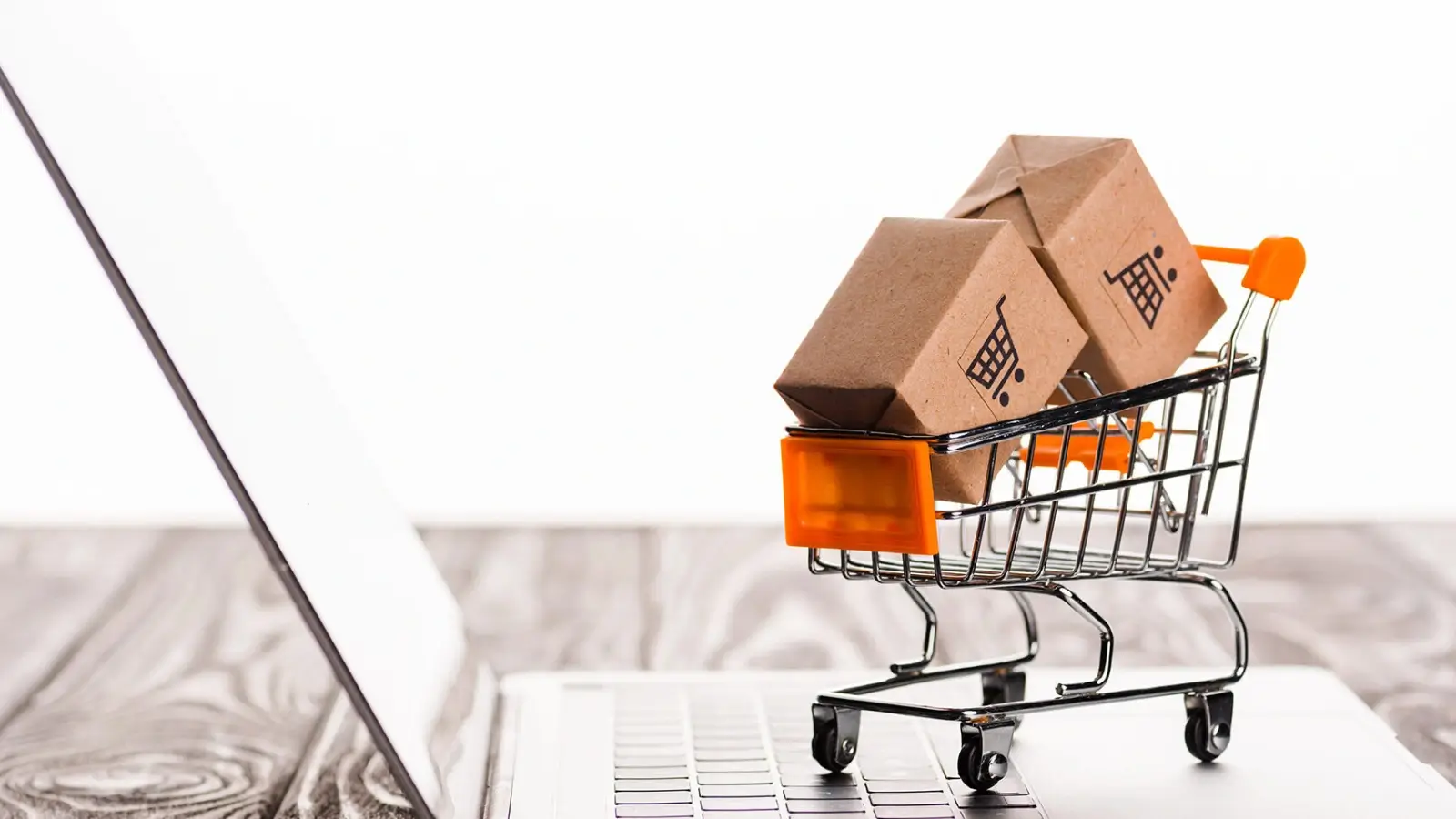
The idea of selling into Europe is exciting. But then again, it implies learning to play by the tax regulations of the EU. The Import One-Stop Shop (IOSS) eliminates complications for goods below €150. It allows you to register VAT once, make one filing, and simplify things for your customers.
However, IOSS is not a free ride. There are set rules that companies are bound to adhere to. And we will go through them one by one to see just what you are going to expect.
1. It Applies Only to Low-value Goods
IOSS is limited to consignments that are valued at less than €150. Anything beyond that is not part of the scheme and is subject to normal customs clearance. This is whereby VAT and duties can be imposed on the buyer upon receiving the goods.
2. It is Strictly for B2C Sales
The scheme is intended to be used in business-to-consumer (B2C) sales. When shipping to EU businesses, IOSS does not apply. Such transactions have different VAT rules, including the reverse charge system.
3. You Only Register Once
In the absence of IOSS, you could possibly have to enroll in VAT in different countries of the EU. This means a nightmare of paperwork and administration. Under IOSS, you would have to do the registration in a single EU member state, which will cover all your sales in the EU.
4. VAT is Charged at Checkout
Under IOSS, you will be required to charge VAT at the point of sale. This will be calculated according to the rate of VAT in the country where the customer is located. Therefore, the purchasers are informed of the ultimate price initially and do not have to incur any shock prices when the package reaches their country.
5. Sellers Outside of the EU Require an Intermediary
The twist here is that, unless you are located in the EU, you are generally unable to register for IOSS on your own behalf. This will require an EU-appointed intermediary like the GlobalTrade.business. They will represent you under VAT. The role of this middleman is to:
- Enroll you
- Submit your VAT returns
- Ensure that all payments are properly made.
Consider them as your access to the EU tax system.
6. VAT Returns Are Compulsory Every Month
Although IOSS simplifies the process of VAT, reporting is not eliminated. You or your representative will be required to submit a monthly electronic VAT return in the country in which you are registered. All EU sales are captured in this single filing, which is under IOSS.
7. Marketplaces Can Be Responsible
Suppose you are selling with the help of some online marketplace, such as Amazon, eBay, or Etsy. In that case, the platform can be regarded as the so-called deemed supplier. Then it is the marketplace and not you that is to collect and remit VAT under IOSS.
8. You Have to Keep Records for 10 Years
The EU expects sellers who use IOSS to maintain records of transaction details for at least 10 years. Such records must be in electronic form in case they are required by tax authorities. Hence, effective bookkeeping is required.
Last Words
When you follow these rules, you will remain in compliance. You will also provide a high-quality experience to your EU customers.
Business Outstanders brings you sharp insights on tech, business, entrepreneurship, law, crypto, and more. We uncover what’s next. Stay updated, sign up for our newsletter and be part of the future!