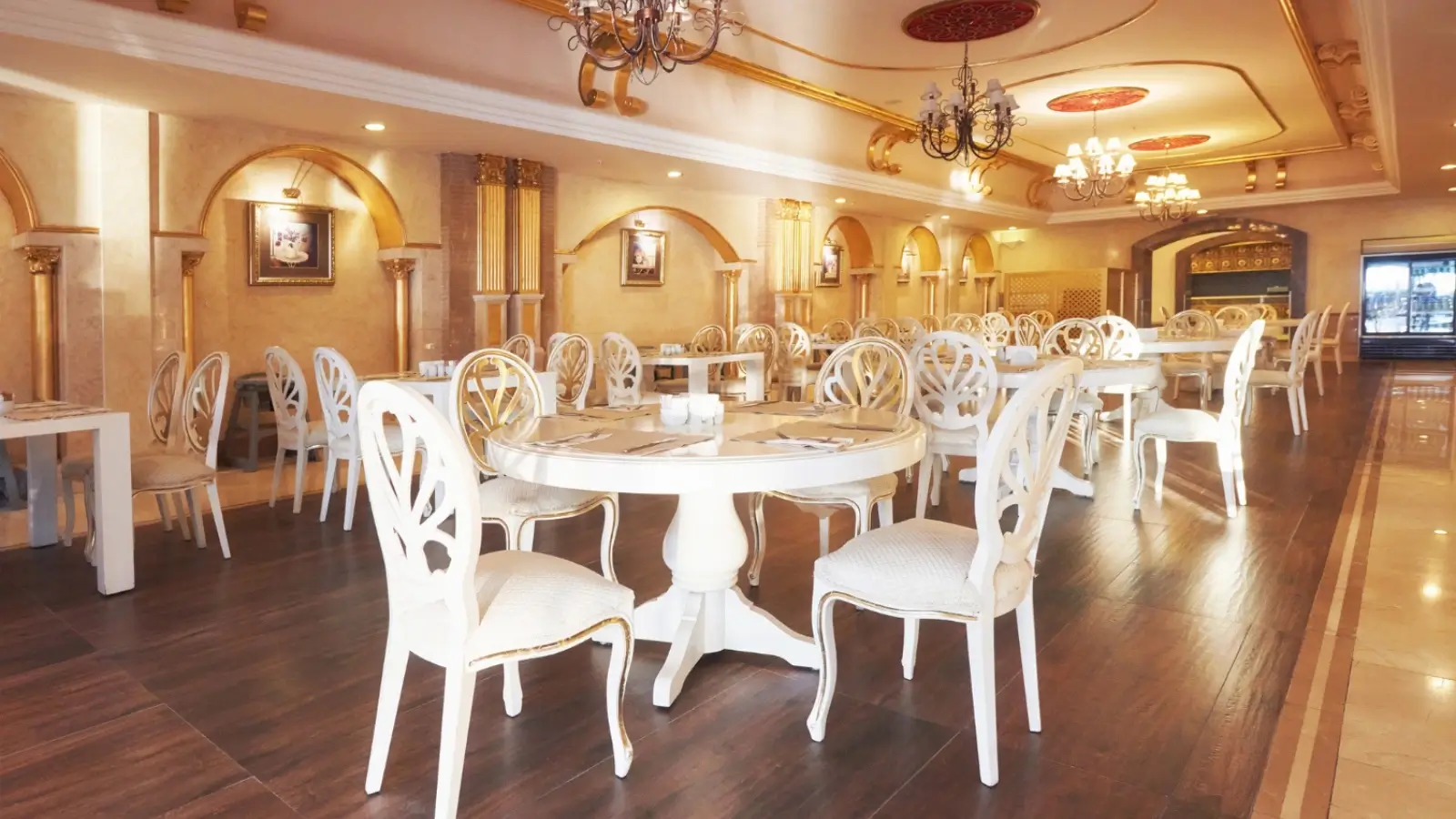
One of the most important choices you will make as a restaurant owner is choosing the appropriate tables and chairs.A well-considered decision may improve the eating experience and promote return business. This comprehensive guide will assist you in selecting the ideal restaurant tables and chairs. In addition to its practical use, the furniture establishes the atmosphere, upholds your corporate identity, and enhances client happiness.
Understand the Restaurant Concept and Theme
Before discussing the specifics, it's crucial to match your furnishings with your business's concept and theme.
- Fine Dining: For high-end venues, choose luxuriously upholstered seats and premium materials like metal or solid wood. Comfort and sophistication are essential.
- Casual Dining: Furniture made of wood, metal, or composite materials may be colorful and long-lasting at casual dining establishments.
- Bistros and Cafés: Furniture that is lightweight and adaptable, frequently composed of wicker or aluminum, is ideal for compact areas.
- Quick Service and Fast Food: Pay attention to choices like laminated surfaces or molded plastic that are long-lasting and simple to maintain.
Whether your style is classic, modern, industrial, or rustic, your furniture should blend in with your surroundings and create a unified look.
Prioritize Comfort and Ergonomics
Guests should be comfortable while they are there. Even the most devoted customers may be turned off by uncomfortable furnishings.
- Chairs: Look for styles that provide enough lumbar support. Chairs with cushioned seats and backs improve comfort, particularly during extended dining sessions.
- Tables: Consider the height and style of the table base to provide sufficient legroom. Typically, dining tables are between 28 and 30 inches high.
Before making a purchase, test the furniture and, if possible, ask a few patrons or employees to rate its comfort.
Choose the Right Material
The materials you select greatly impact overall aesthetics, durability, and upkeep.
- Wood: Classic and refined wood complements both rustic and classic themes. Although long-lasting, it must be maintained often to avoid stains and scratches.
- Metal: Sturdy and easily cleaned, metal furniture is ideal for modern or industrial themes. However, it might be more comfortable with cushions.
- Plastic/Polypropylene: Perfect for outdoor use and informal eating, plastic is lightweight, reasonably priced, and comes in various colors.
- Glass: Although they look sophisticated, glass tables must be cleaned frequently to keep their immaculate appearance.
- Stone or marble: Although they are more costly and weighty, these materials give upscale eating venues a sense of elegance.
Think of mixing elements (such as metal and wood) for a distinctive, modern style.
Optimize Layout and Space Utilization
Your dining area's design directly affects both customer satisfaction and operational effectiveness.
- Space Between Tables: Make sure there is enough room between tables for both staff and client comfort. According to industry guidelines, neighboring tables should have a minimum of 24 to 30 inches between chairs.
- Table Sizes: Select a variety of table sizes to accommodate varying group sizes. Understanding table seating capacity helps you choose the right dimensions-rectangular tables (30x60 inches) are perfect for bigger gatherings, while square tables (30x30 inches) are good for couples.
- Flexibility: Consider tables that may be joined or moved to suit different group sizes.
Aim for a balance between maximizing capacity and preserving a friendly atmosphere while designing the layout.
Budget Wisely
Although purchasing furniture requires a large financial commitment, quality should never be compromised.
- Establish a Reasonable Budget: Set aside a fair amount of your total budget for furnishings.
- Value vs. Cost: Although high-quality furniture may cost more upfront, it will last longer and require fewer replacements over time.
- Options for Second-Hand Furniture: If money is limited, consider buying gently used furniture from reliable vendors.
Business Outstanders brings you sharp insights on tech, business, entrepreneurship, law, crypto, and more. We uncover what’s next. Stay updated, sign up for our newsletter and be part of the future!