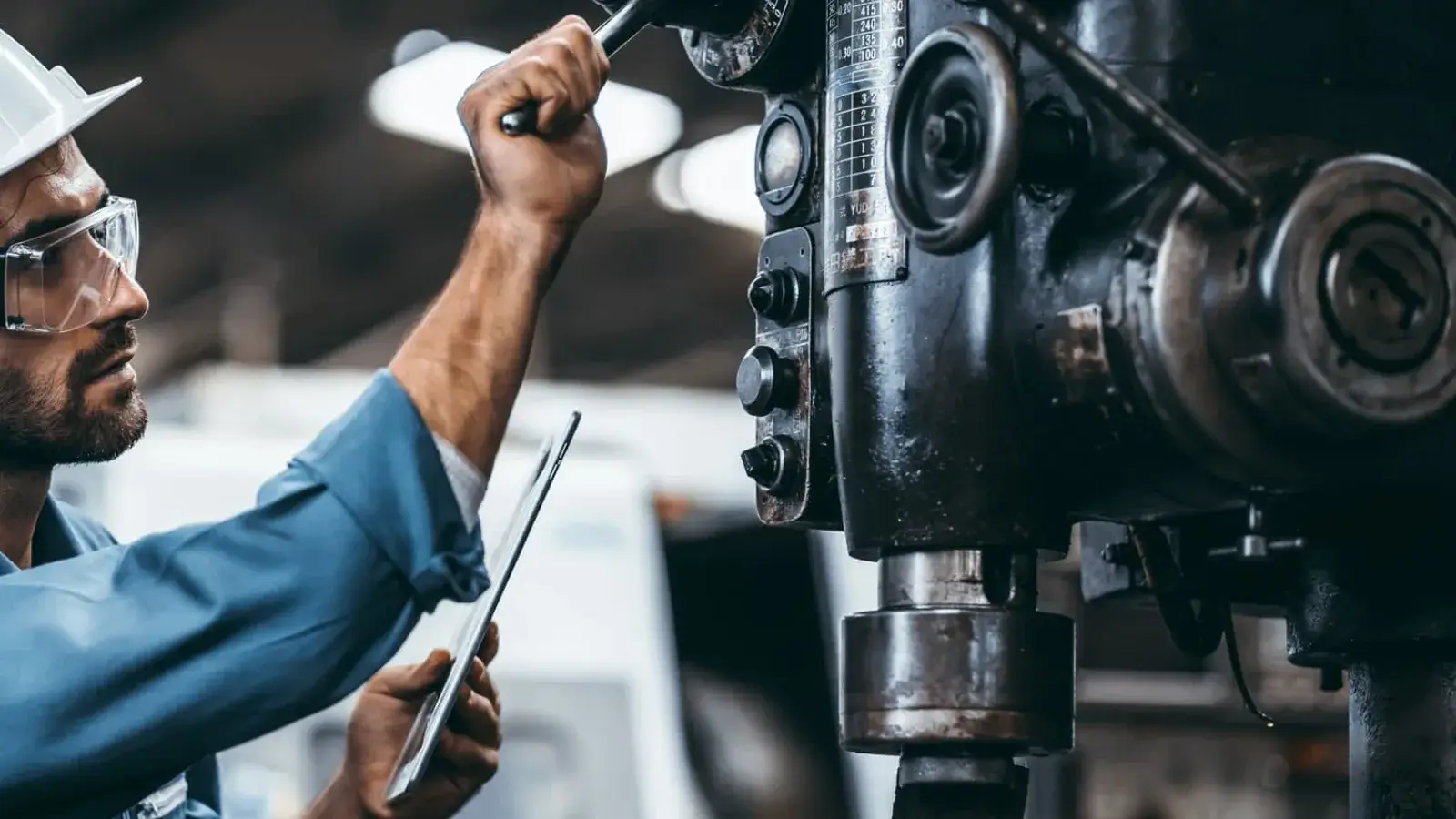
In the fast-paced world of manufacturing and industrial operations, maximizing efficiency is essential to staying competitive and ensuring profitability. Companies that rely on heavy machinery, complex systems, and intricate operations must focus on the smooth functioning of all components to avoid costly downtime, repairs, or inefficient workflows. One critical service that can enhance operational efficiency is industrial millwright services.
Millwrights play a pivotal role in ensuring machinery and systems function optimally, which directly impacts overall productivity. In this blog, we will explore how industrial millwright services can improve the efficiency of your operations and help you achieve smoother workflows and better performance.
What Are Industrial Millwright Services?
Industrial millwright services involve the installation, maintenance, and repair of industrial machinery and equipment. Millwrights are skilled professionals who specialize in working with mechanical systems and ensuring that machines are correctly aligned, calibrated, and properly functioning. These services are essential in a wide range of industries, including manufacturing, construction, energy, and mining.
Millwrights are equipped with the knowledge and expertise to handle complex machinery, such as conveyors, turbines, pumps, and other heavy-duty industrial equipment. They are trained to install and troubleshoot systems, often working with intricate mechanical, electrical, and hydraulic components.
1. Preventing Unscheduled Downtime
One of the most significant advantages of utilizing industrial millwright services is the prevention of unscheduled downtime. Machinery breakdowns can lead to significant productivity losses, as well as additional costs for repairs and replacement parts. With regular maintenance and proactive servicing from millwrights, companies can ensure that their machinery operates efficiently and continues to meet production demands.
Regular inspections by trained millwrights can identify minor issues before they escalate into major problems. This proactive approach helps prevent costly repairs and ensures that machinery stays operational, allowing for minimal disruptions to production schedules.
2. Enhancing Equipment Longevity
Industrial machinery is a significant investment for any operation, and ensuring its longevity is a priority for businesses looking to optimize their budgets. Industrial millwrights provide maintenance services that help extend the life of expensive machinery and equipment. Through proper alignment, lubrication, calibration, and monitoring, millwrights can ensure that equipment runs smoothly, reducing wear and tear over time.
A well-maintained machine will last longer, operate more efficiently, and require fewer repairs, which directly benefits a company’s bottom line. Millwrights can also advise on upgrades or replacement schedules for older equipment, ensuring that the operation is running at peak performance.
3. Improving Operational Efficiency
The primary goal of industrial millwright services is to improve operational efficiency by ensuring that machinery and systems are running at optimal performance. When machinery is correctly aligned, properly calibrated, and well-maintained, it operates more efficiently, leading to faster production cycles and reduced energy consumption.
For example, improperly aligned conveyors or pumps can lead to friction, which increases energy consumption and slows down production. By ensuring proper alignment, millwrights help reduce these inefficiencies and keep the machinery running smoothly.
4. Reducing Maintenance Costs
While many companies rely on reactive maintenance—waiting for a machine to break down before addressing the issue—this approach often leads to expensive repairs and unplanned downtime. Industrial millwright services take a more proactive approach, conducting regular inspections, maintenance, and adjustments that help identify potential issues early.
This preventive maintenance approach reduces the likelihood of major equipment failures and the high repair costs associated with them. Companies can save money by addressing issues before they require expensive fixes or replacements, ultimately reducing overall maintenance costs.
5. Ensuring Safety Standards Are Met
In industrial environments, machinery and equipment must meet strict safety standards to protect workers and prevent accidents. Industrial millwrights ensure that all systems are installed and maintained in compliance with these safety standards. They ensure that machinery is properly aligned, secure, and operates as intended, reducing the risk of malfunctions that could lead to hazardous situations.
By adhering to safety standards, millwrights help create a safer work environment, minimizing the risk of workplace accidents, injuries, and potential liability issues.
6. Adapting to Industry-Specific Needs
Every industry has its own unique set of machinery and operational requirements. Whether you're in manufacturing, energy, food processing, or any other sector, your industrial systems will have specific needs that must be addressed to improve efficiency.
Industrial millwrights have the expertise to understand and adapt to these industry-specific needs. They can help with the installation of specialized equipment, troubleshoot complex systems, and perform maintenance tasks that cater to the unique demands of each industry.
For example, in food processing plants, millwrights ensure that machinery is sanitized and aligned for optimal performance. In energy production facilities, they may focus on turbine maintenance or hydraulic system repairs. Their knowledge and adaptability make them invaluable in improving efficiency in various industries.
7. Minimizing Production Delays
When machinery malfunctions or is not running at full capacity, it can lead to production delays, affecting deadlines and customer satisfaction. By having industrial millwrights on hand to regularly maintain and repair machinery, businesses can significantly reduce the likelihood of delays.
Millwrights also provide troubleshooting services during production processes, addressing problems quickly and efficiently to minimize downtime. This ensures that the production line keeps moving smoothly, reducing any negative impact on the overall output and schedule.
8. Streamlining Installation and Setup
Whenever new machinery is installed or equipment needs to be moved, industrial millwright services ensure that the setup is done correctly. Proper installation of machinery is crucial for long-term efficiency, and improper setup can lead to misalignments, operational issues, and unnecessary downtime.
Millwrights ensure that equipment is installed in compliance with all safety and operational standards, which can significantly impact how efficiently a machine runs. A proper setup allows the equipment to operate at its optimal capacity, minimizing operational inefficiencies from the very beginning.
9. Optimizing Resource Utilization
Efficient resource utilization is essential for any operation looking to reduce waste and optimize costs. Industrial millwright services contribute to resource optimization by ensuring that machinery operates at its highest efficiency level, using less energy, raw materials, and labor to produce the same amount of output.
For instance, well-maintained machines that operate at peak efficiency consume less energy, reducing overhead costs related to electricity bills. This results in a more sustainable operation, where resources are used effectively, and waste is minimized.
Conclusion
Industrial millwright services are an indispensable part of any successful manufacturing or industrial operation. By providing proactive maintenance, enhancing equipment longevity, ensuring safety standards, and improving operational efficiency, millwrights contribute to better productivity, lower maintenance costs, and enhanced resource utilization. They help businesses avoid costly downtime and ensure that all machinery runs smoothly, allowing companies to maintain a competitive edge in their industries.
Business Outstanders brings you sharp insights on tech, business, entrepreneurship, law, crypto, and more. We uncover what’s next. Stay updated, sign up for our newsletter and be part of the future!