A Neighborhood Reimagined
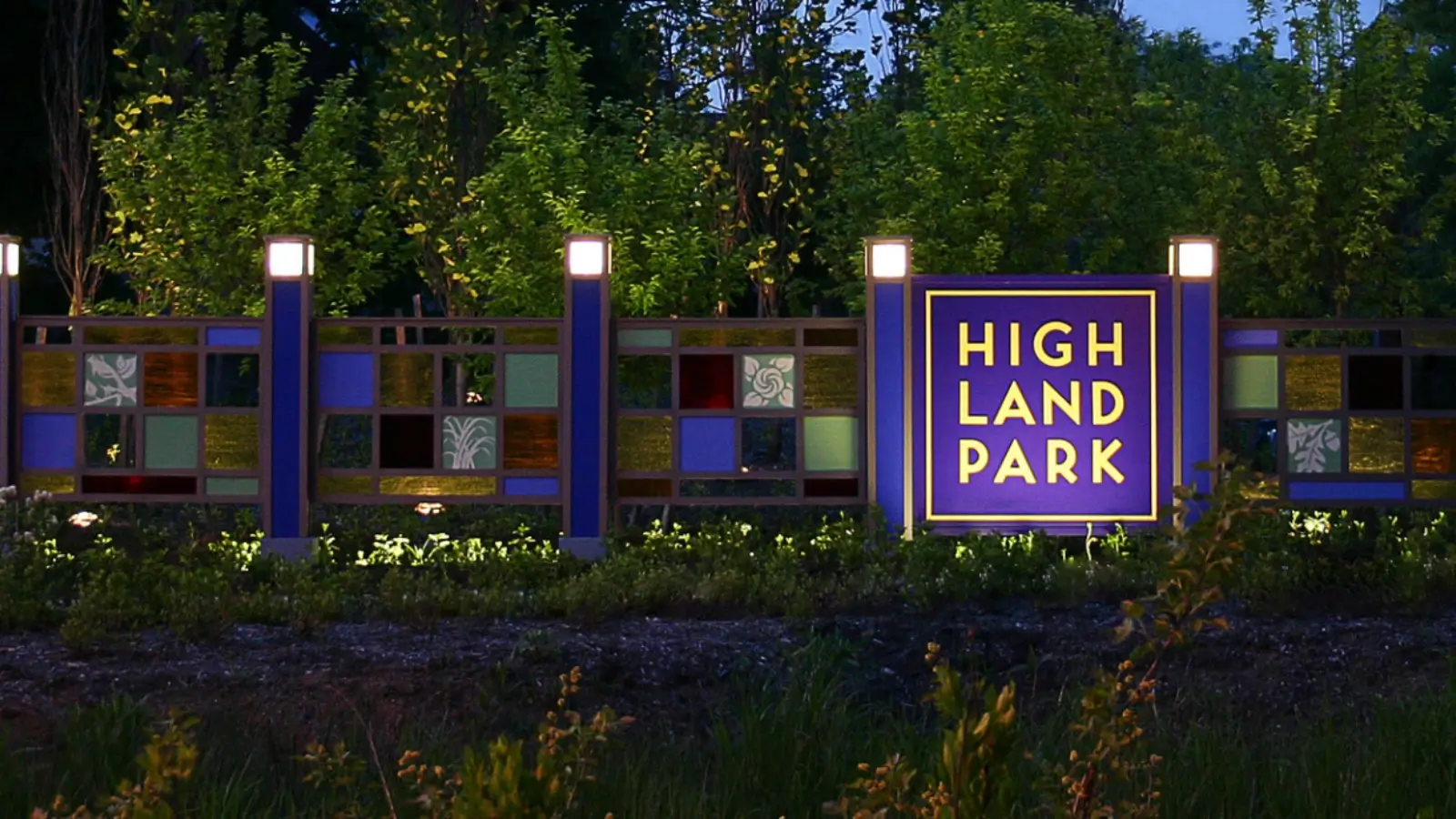
Highland Park has always been a neighborhood with a soul. Nestled northeast of downtown Los Angeles, it blends historic architecture with an energy that attracts artists, entrepreneurs, and innovators alike. In recent years, this once-sleepy enclave has undergone a cultural and economic revival. Trendy coffee shops, art galleries, and independent boutiques now line Figueroa Street and York Boulevard. Amid this transformation, one visual cue stands out—bright, bold electrical signage lighting up storefronts, murals, and studios. This is not just decoration. It’s a statement of identity, creativity, and modern enterprise. Highland Park electrical signage is becoming both a symbol and a driver of this revitalization.
The Visual Pulse of Urban Renewal
Cities have always used light as a language. From Times Square to Tokyo, electric signs shape how people experience space. In Highland Park, signage serves a similar purpose, but with a distinctly local flavor. Businesses are investing in custom electrical signs that merge artistry with functionality, turning the neighborhood into an open-air gallery of glowing craftsmanship. These signs communicate more than just business names—they reflect the area’s diverse influences, from vintage aesthetics to modern minimalism. The effect is a sense of cohesion among independent enterprises, creating a shared visual identity that celebrates community and creativity. Each neon flicker or LED shimmer reinforces the message that Highland Park is alive with innovation.
Bridging Heritage and Modernity
One of the most striking aspects of Highland Park’s resurgence is how it honors its past while embracing progress. The neighborhood’s historical character—seen in its Craftsman homes, century-old theaters, and preserved facades—coexists beautifully with new design trends. Highland Park electrical signage exemplifies this balance. Many shop owners are opting for retro-inspired signs reminiscent of the mid-century era, blending nostalgia with modern efficiency. LED technology allows them to capture the glow of vintage neon without the maintenance headaches or high energy costs. This fusion of old and new encapsulates Highland Park’s identity: proud of its roots but unafraid to reinvent itself.
Signage as a Canvas for Local Artistry
Art has always been at the heart of Highland Park. Local artists and fabricators are transforming signage into a form of creative expression that extends far beyond traditional advertising. Handcrafted lettering, custom metalwork, and bespoke illumination are becoming staples of the area’s design language. Local sign studios collaborate closely with business owners to produce installations that are as unique as the brands they represent. Whether it’s a hand-painted marquee outside a microbrewery or a sleek backlit logo for a new co-working space, each piece contributes to the neighborhood’s visual story. These signs are not just tools of commerce—they are public art. They invite passersby to pause, look up, and connect with the spirit of Highland Park.
The Economic Spark
Revitalization always follows investment, and electrical signage has proven to be an unexpectedly powerful economic catalyst. Businesses with high-quality illuminated signs enjoy increased foot traffic and stronger brand recognition, helping sustain the neighborhood’s small-business ecosystem. Sign companies themselves are thriving, employing local designers, electricians, and craftspeople. This ripple effect extends to property values, tourism, and local events. Visitors are drawn to Highland Park’s nighttime vibrancy, snapping photos of glowing storefronts and tagging them on social media. Every illuminated sign becomes both an aesthetic feature and a marketing asset, turning the streetscape into a continuous campaign for the community. In this way, Highland Park electrical signage doesn’t just light the way—it fuels local growth.
Sustainability in the Spotlight
While classic neon signs remain iconic, today’s Highland Park creatives are increasingly turning to eco-friendly materials and technologies. LED systems dominate the market thanks to their low energy consumption, long lifespan, and minimal environmental impact. Businesses are also exploring solar-powered options and recycled components to align with sustainability goals. This shift reflects a broader trend in urban design, where aesthetics meet responsibility. By adopting green lighting practices, Highland Park is demonstrating that beauty and environmental consciousness can coexist. The neighborhood’s glow, once powered by gas-filled tubes, now runs on innovation and intention.
Nightlife and the New Aesthetic
When the sun sets, Highland Park transforms. Cafes become music venues, bars fill with locals and visitors, and the streets pulse with light. Electrical signage defines this nocturnal landscape. The interplay of color and shadow creates an atmosphere that feels cinematic yet authentic. Every illuminated logo or glowing mural enhances the nightlife experience, guiding patrons through a world of creativity and connection. The result is a visual rhythm that links each establishment to the next, building a sense of place that’s unmistakably Highland Park. Tourists and locals alike are drawn not just by what’s inside these venues, but by the inviting glow that beckons them from the street.
Technology Meets Storytelling
Electrical signage is evolving rapidly with the integration of digital displays, programmable LEDs, and smart lighting systems. In Highland Park, this technology is being used not for flashy billboards but for storytelling. Interactive signs that respond to motion, time of day, or even community events are emerging as modern tools for engagement. A boutique might display shifting patterns inspired by local art, while a restaurant could feature a dynamic sign that changes hues with the sunset. These innovations make signage part of a dialogue between businesses and their audiences. The technology extends the neighborhood’s creative identity into the digital era, reinforcing Highland Park’s reputation as a hub of experimentation and design.
Signage and Community Identity
The rebirth of Highland Park is not just physical—it’s cultural. Electrical signage has become one of the most visible expressions of community pride. Local initiatives often feature lighting installations during festivals and street fairs, turning the neighborhood into a celebration of light and life. Murals illuminated by discreet LEDs highlight the work of neighborhood artists. Seasonal decorations shimmer across storefronts, reinforcing a sense of shared identity. Even residents who don’t own businesses participate, contributing to crowdfunding campaigns for neighborhood beautification projects. The collective effort underscores how signage serves as both a creative outlet and a unifying force.
Challenges and Considerations
As with any form of rapid growth, Highland Park faces challenges. Rising rents, zoning regulations, and preservation concerns all impact how new signage can be installed. City planners and local organizations are working to balance development with heritage, ensuring that signage enhances rather than overwhelms the area’s charm. Thoughtful regulation and collaboration between business owners, artists, and policymakers are key to maintaining the neighborhood’s authenticity. By establishing design guidelines that encourage creativity while protecting historical context, Highland Park can continue to evolve without losing its character.
The Role of Local Businesses
From coffee roasters to record stores, local businesses are the heartbeat of Highland Park’s transformation. Many have discovered that a distinctive electrical sign is one of the most effective ways to stand out in a competitive market. A well-crafted sign communicates professionalism, creativity, and confidence—all values that resonate with today’s consumers. Business owners often share stories of how their signage became a conversation starter or even a landmark for the area. As more entrepreneurs invest in custom signs, they contribute not only to their own visibility but to the collective allure of the district.
Looking Ahead: A Bright Future
The story of Highland Park’s revival is far from over. As the creative community continues to grow, the role of electrical signage will only expand. Emerging technologies like augmented reality and projection mapping could transform building facades into interactive canvases. Community-driven lighting projects may bring even more cohesion to public spaces. With each innovation, the neighborhood strengthens its position as one of Los Angeles’s most dynamic cultural destinations. At the heart of it all is a simple yet powerful truth: light attracts life. Highland Park electrical signage embodies that principle, illuminating not just storefronts but the dreams and ambitions of an entire community.
Conclusion
Highland Park’s revival is a testament to the power of creativity, collaboration, and design. Its glowing storefronts and illuminated murals are more than decorative—they’re declarations of identity and resilience. Each electrical sign tells a story about where the neighborhood has been and where it’s headed. As long as those lights keep shining, Highland Park will remain a beacon for artists, dreamers, and innovators who believe that even a single spark can transform a city.
Business Outstanders brings you sharp insights on tech, business, entrepreneurship, law, crypto, and more. We uncover what’s next. Stay updated, sign up for our newsletter and be part of the future!