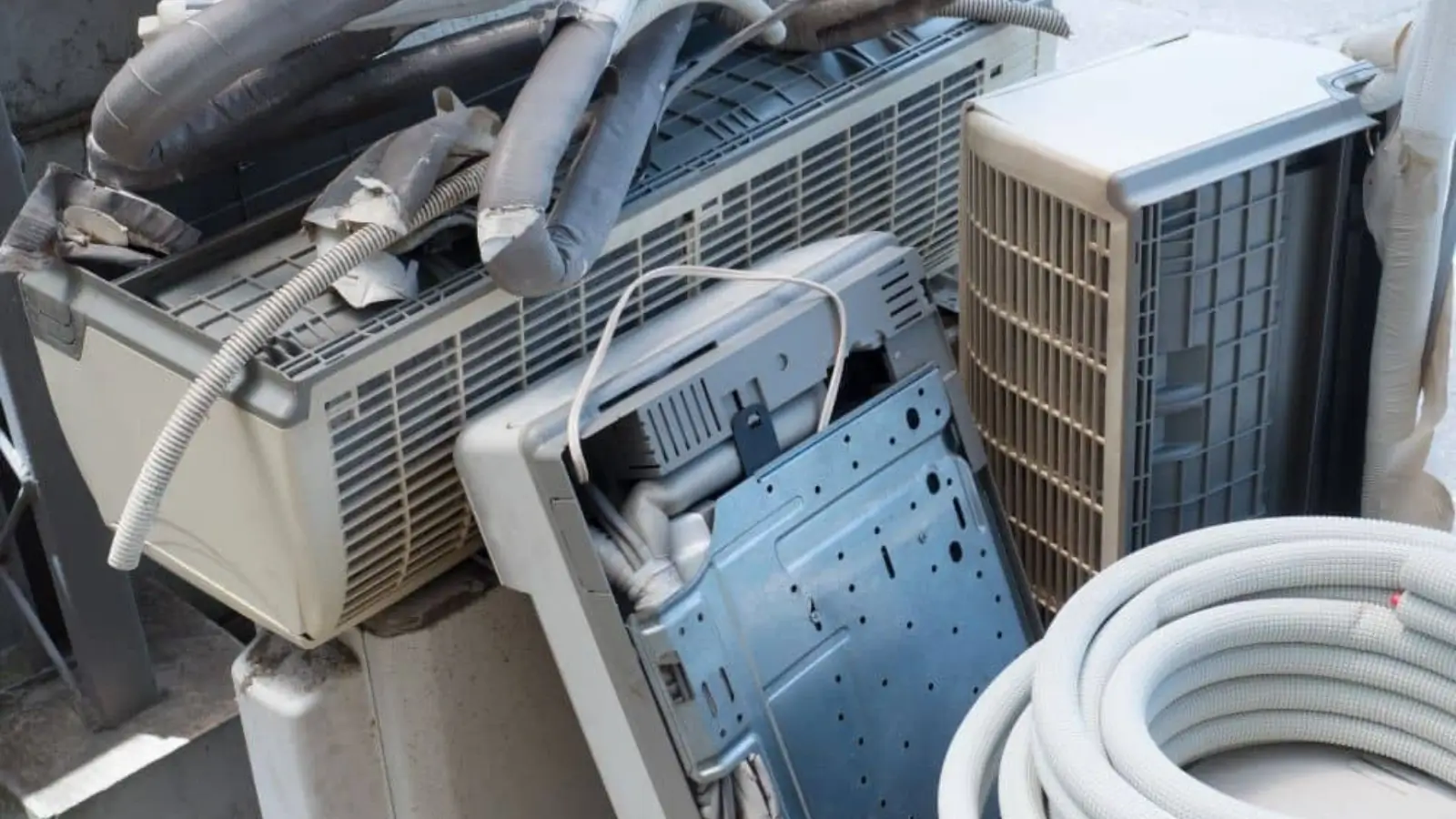
Recycling air conditioners isn’t just a one-off task anymore—it’s becoming a routine responsibility for property managers. Whether you're overseeing a multi-building complex or a small group of rental units, bulk AC recycling comes up often during renovations, HVAC upgrades, seasonal maintenance, or tenant move-outs. With environmental regulations tightening and disposal costs rising, having a streamlined recycling solution is essential. This article will explain how air conditioner recycling works, companies like EACR Inc. who provide air conditioner recycling, and the best practices for proper recycling.
Why Property Managers Need Bulk AC Recycling Solutions
1. Volume of Units Involved
Managing one building is hard enough—but with multiple properties, you could be dealing with dozens or even hundreds of old air conditioners at once. That kind of volume creates logistical challenges: Where do you store them? How do you move them? Who handles the removal?
Without a structured recycling plan, these units pile up fast, taking up space and becoming a safety or compliance concern.
2. Legal and Environmental Responsibilities
Air conditioners contain refrigerants like Freon and R-410A, which are tightly regulated under EPA Section 608. Improper disposal can lead to harmful environmental leaks—and serious fines.
Property managers have a duty to dispose of these units through licensed recyclers who can safely recover hazardous materials. Failing to do so can violate both federal and local laws.
What Can Be Recycled in an Air Conditioner?
1. Components with Recycling Value
Even when broken, air conditioners are packed with recyclable materials. These include:
- Copper coils
- Aluminum fins
- Steel frames
- Electric motors
- Circuit boards
These materials are recovered, processed, and returned to the supply chain, reducing the need for mining or manufacturing from scratch.
2. Hazardous Elements That Need Special Handling
The parts that can’t just be tossed in the scrap pile? Those include:
- Refrigerants (like Freon or R-410A)
- Compressor oil
- Electronic waste from control panels
All of these require careful, legal handling—another reason to work with a licensed air conditioner recycling provider.
How the Bulk AC Recycling Process Works
Step 1 – Inventory & Assessment
It all starts with a simple walk-through or inventory list. The recycling provider reviews how many units you’re disposing of, their size, and any logistical concerns. Based on this, they provide a custom plan with timelines, staffing, and container options.
Step 2 – Pickup or On-Site Container Drop-Off
Property managers typically choose between:
- Scheduled pickups (crew removes the units directly), or
- Drop-off containers placed at your site for gradual filling.
Special accommodations can be made for rooftop units, basement locations, or hard-to-reach storage areas.
Step 3 – Safe Removal of Refrigerants
EPA regulations require refrigerant to be professionally evacuated. Licensed technicians use certified equipment to remove these chemicals safely before further processing begins.
This step is legally required and essential to protecting the environment.
Step 4 – Transportation & Processing
Once cleared of hazardous materials, the units are transported to a licensed recycling facility. There, components are broken down by material type—metals, plastics, electronics—and sent for proper recycling. Nothing ends up in a landfill.
Benefits of Partnering with a Licensed Recycling Company
1. Regulatory Compliance
When you work with a licensed recycler, you avoid legal exposure. They handle refrigerants, documentation, and all hazardous components according to law—so you stay compliant and protected.
2. Time and Labor Savings
Your building staff doesn’t have to do the heavy lifting. The recycling team takes care of transport, disassembly, and safe handling, freeing your team to focus on daily operations.
3. Certificates of Recycling
Want proof for your records or sustainability goals? Most reputable recyclers provide Certificates of Recycling—useful for audits, internal compliance, and green building initiatives.
Common Questions Property Managers Ask
1. Do I need to remove the refrigerant first?
No. In fact, you shouldn’t. Licensed recyclers are required by law to handle refrigerant removal themselves using EPA-approved methods.
2. How are recycling costs calculated?
Costs depend on several factors, including:
- Number of units
- Size and weight of each unit
- Accessibility (e.g., rooftop vs. ground floor)
- Refrigerant type and volume
Recyclers typically provide a custom quote after assessment.
3. Can I recycle broken or old window AC units too?
Yes. All types of air conditioners—including window units, portable ACs, and central air systems—can be recycled through a licensed program.
Conclusion: A Simpler Way to Handle Large-Scale AC Disposal
Managing air conditioner disposal doesn’t have to be a headache. With a bulk recycling program tailored to property managers, you can ensure legal compliance, environmental responsibility, and stress-free logistics. Whether you’re replacing a few units or clearing out an entire complex, working with a licensed recycling partner gives you peace of mind—and a cleaner, more efficient operation.
Business Outstanders brings you sharp insights on tech, business, entrepreneurship, law, crypto, and more. We uncover what’s next. Stay updated, sign up for our newsletter and be part of the future!