Managing wastewater from parts washing operations is a critical environmental responsibility that businesses must pay attention to. Not only are there strict regulations to follow, but improper disposal can lead to hefty fines and ecological damage. What are the best practices for disposing of wastewater from aqueous parts washers?
The best practice is to treat wastewater on-site using filtration and separation systems to remove contaminants, then either recycle it back into the washing system or dispose of it through authorized industrial waste channels in compliance with local regulations.
While this answer covers the basics, you'll need to know more about specific treatment methods, recycling options, and regulatory requirements that vary by location and industry. Understanding these details will help you implement a complete and compliant wastewater management system for your specific situation.
What Treatment Methods Are Available For Aqueous Parts Washer Wastewater?
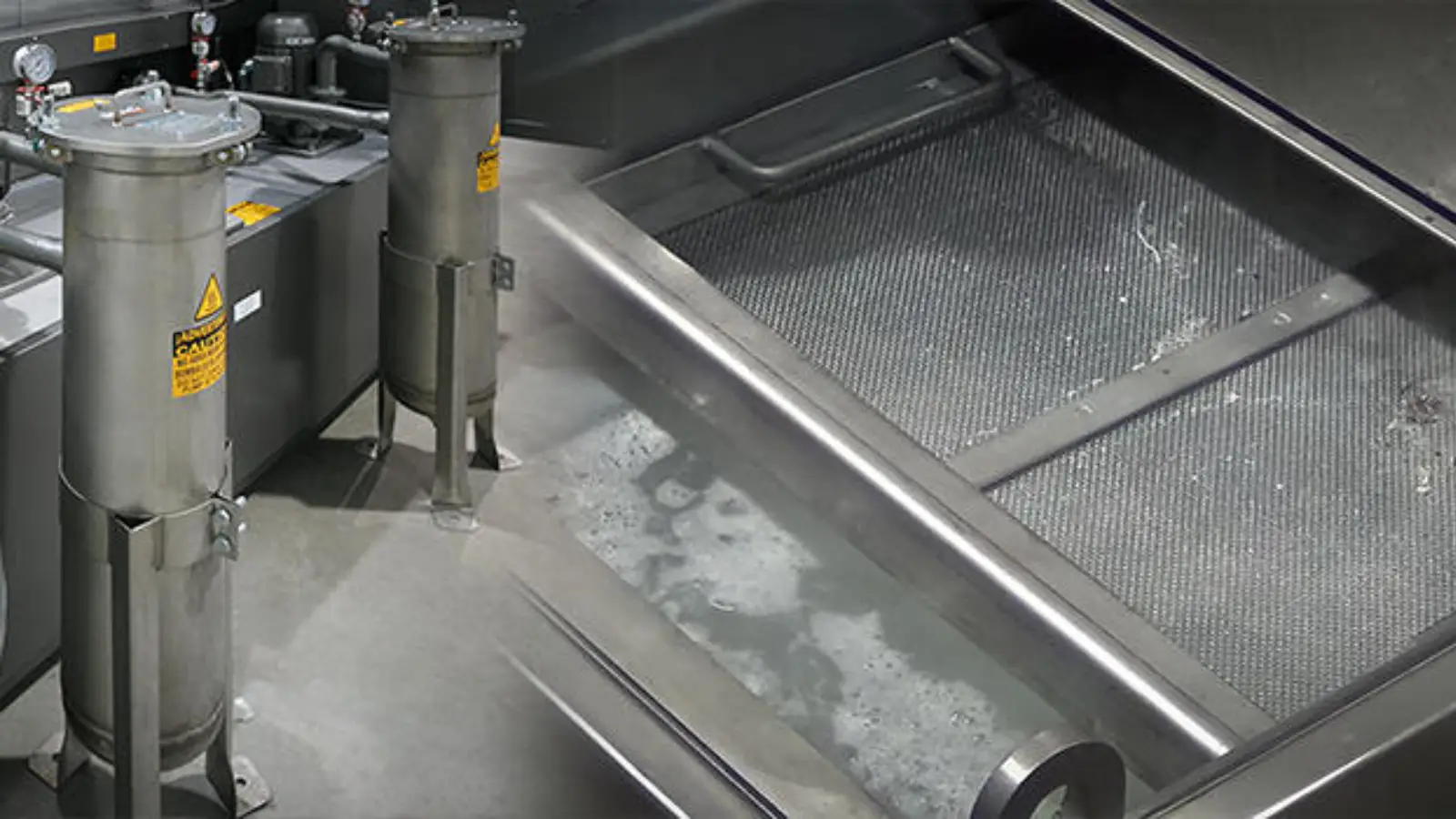
The most common treatment methods include oil-water separation, filtration, and chemical treatment. Oil-water separators use gravity to separate oil and grease from water, allowing the oil to float to the top, where it can be skimmed off. Filtration systems, including activated carbon and membrane filters, remove suspended solids and other contaminants.
Chemical treatment options include pH adjustment, coagulation, and flocculation. These processes help remove heavy metals and other dissolved contaminants that simple filtration can't catch. Some facilities also use evaporation systems to reduce wastewater volume, though this can be energy-intensive.
What Are The Regulatory Requirements For Wastewater Disposal?
Regulatory requirements vary by location but generally fall under the Clean Water Act and local wastewater treatment authority guidelines. Most facilities need permits for industrial wastewater disposal, and regular testing is often required to ensure compliance with discharge limits for metals, oils, and other contaminants.
Small quantity generators can discharge to municipal systems with proper permits, while larger operations often need more comprehensive treatment systems and documentation. It's essential to contact local authorities to understand specific requirements for your area.
How Can You Reduce Wastewater Generation From Parts Washing?
Implementing a closed-loop recycling system is the most effective way to reduce wastewater generation. These systems continuously filter and treat the washing solution, allowing it to be reused multiple times before disposal is necessary. This approach can reduce wastewater volume by up to 90%.
Regular maintenance of washing equipment, including proper chemical concentration management and filtration system upkeep, can extend the life of washing solutions. Modern, efficient parts washers with features like cascade rinsing can also significantly reduce water consumption. Additionally, considering alternatives like ultrasonic cleaning for certain applications can minimize wastewater generation while maintaining cleaning effectiveness.
What Are The Cost Benefits Of Implementing A Wastewater Recycling System?
While the initial investment in a wastewater recycling system can be significant, ranging from $5,000 to $50,000 depending on capacity and features, the long-term savings often justify the cost. Most facilities see a return on investment within 12-24 months through reduced water consumption, lower disposal costs, and decreased chemical purchases.
For example, a typical manufacturing facility using 1,000 gallons of water per day in parts washing operations might spend $15,000-$20,000 annually on water and disposal costs. A recycling system can reduce these costs by 70-80%, minimizing environmental impact and potential regulatory compliance issues.
What Are The Warning Signs That Your Wastewater Treatment System Needs Attention?
Several indicators can signal problems with your wastewater treatment system. The most obvious signs include unusually cloudy or discolored water after treatment, strong or unusual odors, and decreased cleaning effectiveness of the parts washing solution. Changes in pH levels or conductivity readings outside normal ranges also warrant immediate attention.
Regular monitoring should include testing for oil concentration, suspended solids, and chemical oxygen demand (COD). If these parameters show significant deviation from baseline levels, it's time to investigate potential issues with filtration systems, chemical treatment processes, or equipment maintenance needs. Addressing problems early can prevent more costly repairs and potential compliance violations.
Establishing a regular maintenance schedule and keeping detailed records of system performance metrics helps identify trends and potential issues before they become serious problems. This proactive approach saves money and prevents unexpected system failures that could halt production.
Act Immediately
The most important action you can take now is to evaluate your current wastewater disposal practices against the best practices outlined above and identify any gaps. Schedule a consultation with a local wastewater treatment specialist who can assess your specific situation and help design a treatment system that meets both regulatory requirements and your operational needs. This professional guidance will ensure you're on the right path to implementing a compliant and cost-effective wastewater management solution.
Business Outstanders brings you sharp insights on tech, business, entrepreneurship, law, crypto, and more. We uncover what’s next. Stay updated, sign up for our newsletter and be part of the future!