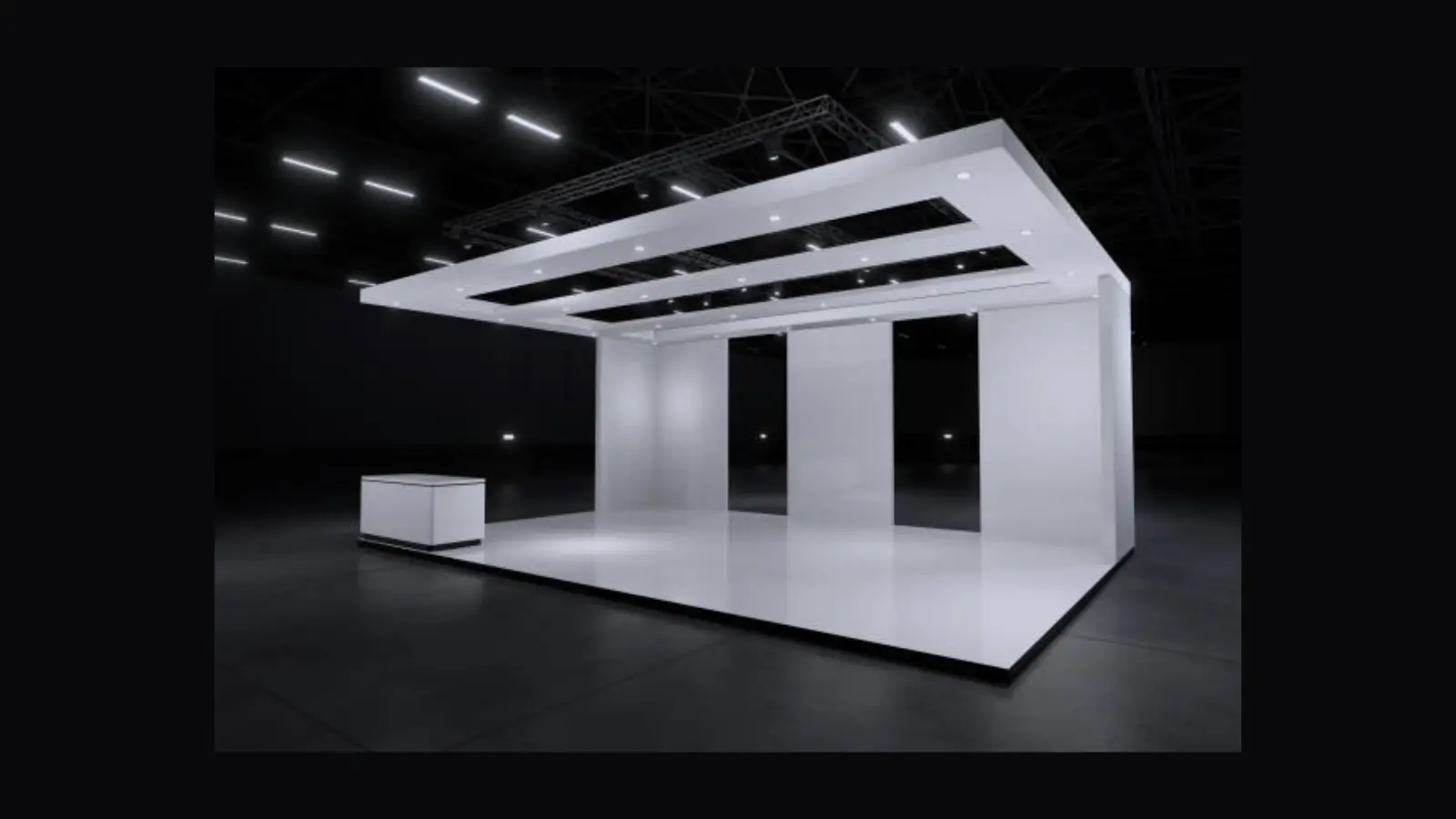
In today's crowded B2B world, every dollar spent on marketing needs to prove its worth-and that rule holds true for trade shows too. A thoughtfully built 20 x 20 trade show booth gives companies a strong stage to present their brand, talk to prospects, and turn casual visitors into valuable leads. But just booking the space won't do the trick. To drive real return on investment (ROI), businesses have to plan the booths' look and feel with clear strategy, purpose, and attention to detail.
This guide walks you through each step of bringing a standout, results-focused 20 x 20 booth to life, so you can grab more eyes and grow revenue. Whether you are moving up from a 10 x 20 layout or stepping into the bigger format for the first time, these steps aim to make sure your spending pays off in measurable ways.
Define Your Trade Show Objectives and KPIs
Before sketching the look or choosing materials, nail down exactly what success will look like on the show floor. By setting clear goals-whether it's the number of demos booked, leads collected, or new contacts made-you can shape every detail of the booth around those results.
Common reasons B2B companies book trade show space include:
-
Picking up a specific number of quality leads.
-
Showing off a brand-new product or solution.
-
Locking in meetings with key accounts.
-
Sparking interest from partners or distributors.
-
Gleaning honest feedback from first-time users.
After pinning down your main aim, plug in simple KPIs like total scans, booked appointments, or time spent talking. You'll lean on those figures later to figure out the ROI of your 20 x 20 trade show booth.
Build a Layout That Encourages Engagement
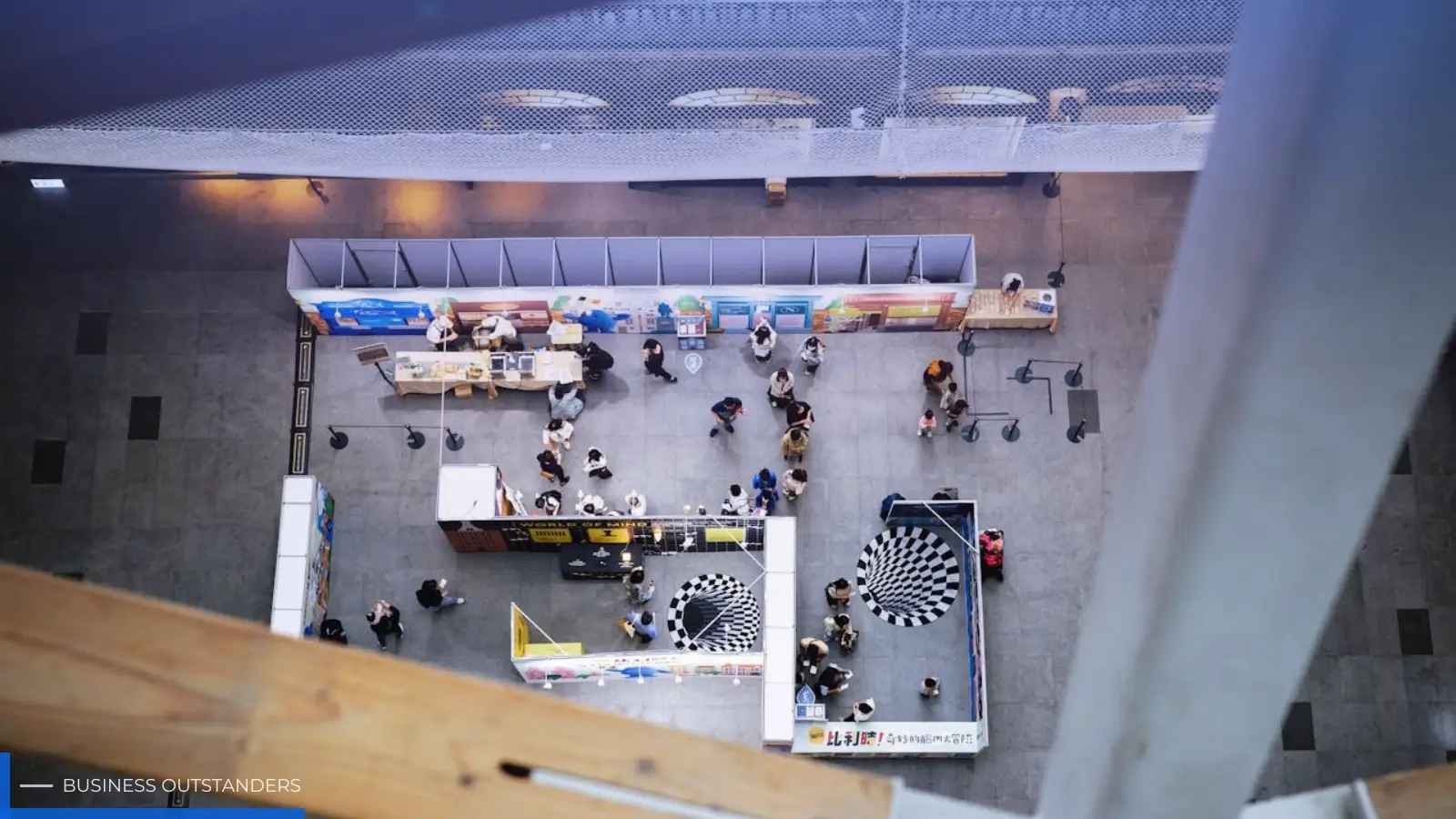
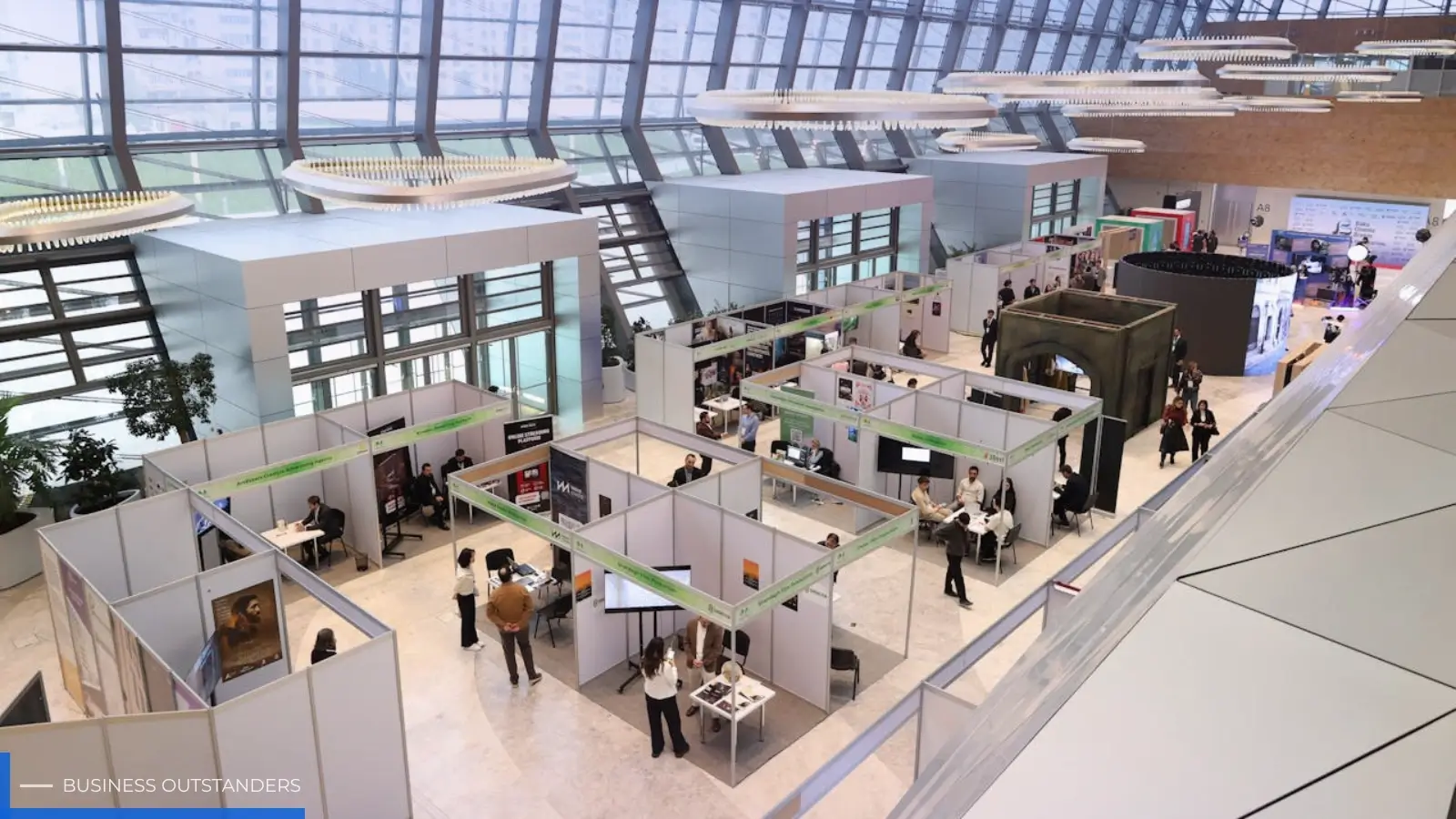
A 20 x 20 booth doesn't sound huge, yet it gives you enough real estate for smart design and real visitor back-and-forth. Size alone, however, won't carry the day. You need a layout that guides people instinctively, opens clear paths, and subtly pulls them in to chat, play, or sign up.
Key elements to incorporate:
-
Open corners so visitors can wander in from any aisle.
-
Zoned areas set aside for product demos, chats, and quick meetings.
-
Digital touchpoints like kiosks, tablets, or video walls.
-
Storage space tucked away for giveaways, brochures, or spare gear.
Moving up from a trade show booth 10x20, the extra room invites smarter traffic flow and richer storytelling. A 20-foot square lets you build up, layer images, and offer a deeper, more hands-on brand experience.
Choose Visuals and Messaging That Communicate Instantly
Attendees drift past hundreds of displays in minutes, so yours must speak in a heartbeat. Crisp visuals, punchy copy, and clear branding need to work together, sending a quick, memorable message.
Bold Visuals That Speak Fast
-
Choose big, high-contrast artwork that grabs eyes from the aisle.
-
Use short, punchy lines that promise a clear gain, like, Save two hours a week with X.
-
Make your core promise the star of the main graphic or title.
-
Feature just one or two hero products so the message stays crystal clear.
Even though a 20-foot square feels generous after a cramped 10x20, don't cram it full. Leave calm space around each piece so visitors can see, think, and move without panic.
Bring Tech and Fun into the Mix
To turn a casual stop into a strong lead, let people touch, tap, and try. Hands-on moments not only stretch dwell time, they lock facts in memory and help you sort hot prospects fast.
Ideas that fit a 20x20 footprint include:
-
Touchscreens loaded with persona-specific demos.
-
Live gear displays that welcome questions and tests.
-
Lightweight AR or VR tours for bulky systems.
-
Smart lead capture that talks directly to your CRM.
None of these are gadget tricks. They translate your brand story into a personal story for each visitor, tying your solution to their real problem.
Plan Marketing and Logistics Well in Advance
A beautiful trade-show booth can still flop if the crew isn’t on the same page or if everything comes together at the last minute. Solid planning, early promotion, and careful logistics keep the event running smoothly, so nothing important slips through the cracks.
Key planning milestones:
-
4-6 months before: Reserve your space, set clear goals, and lock in a budget
-
3-4 months before: Sketch the layout and start talking specifics with the booth builder
-
2 months before: Kick off pre-show outreach via email, social media, and direct chats
-
1 month before: Double-check shipping, travel, and all printed or digital giveaways
Assign roles early so everyone knows whether they greet visitors, scan badges, or manage social posts. Train the team not just on features but also on how to ask good questions and show the brand in the best light.
Don’t Forget Post-Show Follow-Up and Analytics
Real return on investment starts the moment the last banner comes down, not when the doors close. Set up a reliable process to sort leads, look at the numbers, and adjust the game plan for the next show.
After the show:
-
Sort leads by how ready each person is to buy, then reach out fast.
-
Drop a thank-you note within 48 hours and make it personal.
-
Check the numbers against the goals you set at the start (new leads, sales closed, etc.).
-
Gather the team for a quick chat about what went well and what missed the mark.
Look back at earlier shows, especially if you’ve used the 10x20 booth before, to see if the bigger space and extra budget really boosted interest and results.
Conclusion: A Bigger Booth Needs Bigger Strategy
Upgrading to a 20x20 trade show booth opens new doors, but you only walk through if you plan ahead and design smartly. Bigger space alone won’t deliver success; pair it with clear messaging and an experience that pulls people in.
When every element is thought out, the booth stops being just furniture and starts showing visitors, live and in color, why your brand matters-and helping you hit your business targets.
Business Outstanders brings you sharp insights on tech, business, entrepreneurship, law, crypto, and more. We uncover what’s next. Stay updated, sign up for our newsletter and be part of the future!