Introduction: The Turning Point in E-commerce
Picture this: a shopper opens a chat window and starts talking to an assistant. Within minutes, the assistant finds a product, applies a coupon, completes checkout, and even schedules delivery — all without human input.
This is not futuristic hype. It’s happening now.
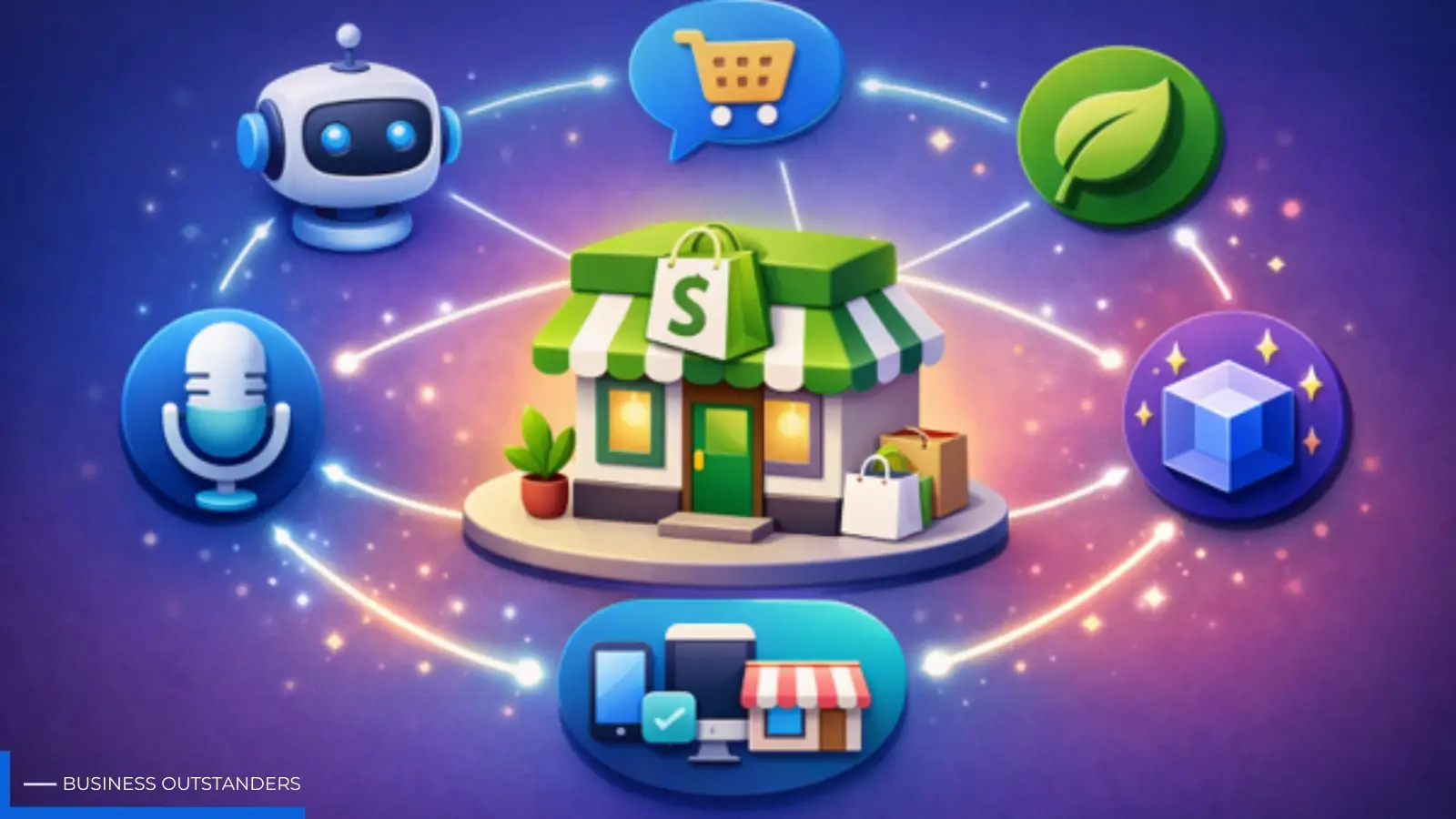
E-commerce is entering a new era where artificial intelligence (AI) isn’t just helping — it’s doing. As we step into 2026, AI-powered agents are becoming the driving force behind customer experience, automation, and business growth.
In this guide, we’ll explore how AI agents are reshaping online retail, what it means for your store, and how you can prepare. Along the way, we’ll discuss how working with a Shopify agent and using platforms like Kogents AI can help you stay ahead of the curve.
What Are AI Agents in E-commerce?
The Basics
AI agents are intelligent digital systems capable of performing tasks on behalf of humans. In e-commerce, they:
-
Recommend products based on personal preferences
-
Handle conversations and assist customers 24/7
-
Manage orders, inventory, and logistics
-
Predict trends and automate decision-making
Instead of reacting to customers, AI agents proactively engage them — predicting needs, suggesting products, and guiding them through seamless shopping experiences.
Why Now?
The explosion of data, the maturity of machine learning models, and the shift in customer expectations all collide here. Shoppers expect convenience, personalization, and conversational interfaces. Businesses, meanwhile, need efficiency and insight.
Put simply: AI agents meet both goals at once.
How AI Agents Are Reshaping Retail Workflows
Personalized Discovery and Recommendations
Generic product lists are fading. AI agents now understand context — browsing history, tone, location, even time of day — to deliver truly relevant recommendations.
A well-trained AI agent might suggest a winter jacket to a user checking the weather or a replacement part for an item they purchased months ago. Personalization is no longer a “feature” — it’s the expectation.
Conversational Commerce: The New Norm
The buying journey is becoming chat-driven. Instead of navigating menus, customers simply ask:
“Show me running shoes under $100 that match my size.”
AI agents respond instantly, filter options, and complete checkout — all in one interface. Voice assistants, chatbots, and in-app messengers are now full-service digital storefronts.
Predictive Inventory, Pricing & Logistics
AI agents are also transforming backend operations. They predict demand spikes, adjust pricing dynamically, and optimize shipping routes automatically. Pairing that intelligence with dependable ecommerce fulfilment services, like Delta Fulfilment’s pick-pack-ship operations and platform integrations, helps turn those predictions into faster dispatch, accurate orders, and smoother delivery outcomes.
That means fewer stockouts, faster deliveries, and higher profits — without additional human intervention.
Agents That Shop for You
The most exciting shift? Agents that buy on behalf of users.
Imagine an assistant that monitors your favorite brand, tracks discounts, and makes purchases automatically when a deal appears. This future is closer than you think — and it’s going to change how brands market, price, and distribute their products entirely.
What This Means for Your Online Store
Visibility in a New Landscape
If your store runs on Shopify or another major platform, now is the time to optimize for AI discoverability. Agents rely on structured, clear data.
Ask yourself:
-
Are your product titles and descriptions machine-readable?
-
Are you using structured data and schema markup?
-
Can an AI agent interpret your returns and shipping policies?
This is where a Shopify agent becomes invaluable. They ensure your data, integrations, and APIs are set up to communicate with AI systems efficiently — so your products are found and sold faster.
Enhanced Customer Experience
AI agents turn transactional shopping into guided experiences. Instead of browsing endlessly, customers enjoy smooth, conversation-based interactions.
To make the most of this shift:
-
Offer live chat and voice assistant options
-
Use hybrid support (AI first, human fallback)
-
Focus on tone and trust — authenticity wins
Efficiency and Cost Reduction
Using platforms like Kogents AI, you can automate complex workflows:
-
Trigger personalized emails based on customer actions
-
Adjust pricing automatically based on trends
-
Optimize inventory through predictive demand
These systems don’t just save time — they amplify your marketing and operational efficiency simultaneously.
Practical Steps to Get Started with AI Agents
1. Audit Your Current Setup
Start by reviewing your existing infrastructure:
-
Product data and metadata quality
-
Checkout flow simplicity
-
Integration points with APIs and automation tools
Even small issues — inconsistent naming, poor categorization, or missing tags — can limit how effectively AI agents interact with your store.
2. Choose the Right Tools and Partners
If you’re using Shopify, connect with a skilled Shopify agent who understands AI integration. They can guide you through:
-
Building custom conversational interfaces
-
Structuring product data
-
Integrating AI analytics
At the same time, consider a solution like Kogents AI, which offers personalization, recommendation engines, and predictive insights that plug right into your existing tech stack.
3. Redesign for Conversational and Autonomous Commerce
Adapt your storefront for voice and chat experiences. Make your content scannable, data-driven, and interactive.
Example:
-
Replace static product grids with AI-driven suggestion widgets.
-
Add chat-based buying options.
-
Make returns, exchanges, and shipping visible to agents and users alike.
4. Measure, Optimize, Repeat
AI is not “set and forget.” Track how users interact with your AI-driven systems:
-
Engagement rate through agents
-
Conversion from chat interactions
-
Customer satisfaction scores
Then refine. Small data-driven improvements compound into huge growth over time.
Real-World Examples of AI Agents in Action
1. Fashion & Lifestyle Brands
AI assistants help shoppers find complementary outfits, suggest accessories, and manage personalized “style boards.” Customers feel understood — not sold to.
2. Subscription and Replenishment Stores
For consumable products, agents track usage and automatically re-order when supplies run low. That’s convenience customers love — and retention brands dream of.
3. Independent Shopify Stores
Small merchants can deploy chat-based assistants using Shopify apps and integrations. A trusted Shopify agent can build workflows that connect AI chat systems with personalization engines like Kogents AI — creating automation that feels human.
4. Supply Chain Optimization
On the backend, AI agents predict demand surges, streamline warehouse operations, and prevent overstocking or stockouts. They spot inefficiencies before they cost you money.
Avoiding Common Mistakes with AI in E-commerce
1. Over-Automation Without Oversight
AI should empower humans, not replace them entirely. Always allow for human intervention, especially when resolving complex issues or handling sensitive interactions.
2. Poor Data Quality
Garbage in, garbage out. Without accurate and structured data, your AI agents will make poor recommendations. Clean your product feeds and ensure all descriptions, tags, and attributes are consistent.
3. Privacy and Ethics Concerns
Transparency builds trust. Let customers know how their data is used and give them easy options to control their preferences. Ethical AI usage is no longer optional — it’s a competitive advantage.
4. Failing to Iterate
AI technology evolves rapidly. Keep learning, testing, and refining your approach. Treat AI like a living system, not a one-time upgrade.
Conclusion: The Future Is Already Here
We’re at the dawn of a new era in e-commerce. AI agents are no longer futuristic tools — they’re becoming the standard for personalization, automation, and customer engagement.
Whether you’re running a global store or a local boutique, adopting AI systems now will determine your competitiveness in the years ahead.
If you’re using Shopify, partnering with a professional Shopify agent ensures your setup is AI-ready from the ground up. Combine that expertise with a platform like Kogents AI, and you’ll unlock scalable personalization, predictive insights, and operational efficiency.
Now’s the time to act. Audit your store, embrace automation, and design experiences that make your customers feel understood, not just sold to. The brands that move first will lead the next chapter of digital commerce.
FAQs
Q1: What’s the difference between an AI agent and a chatbot?
A chatbot answers questions within preset rules. An AI agent learns continuously, adapts to user behavior, and can make decisions — such as suggesting or even purchasing products automatically.
Q2: Do small businesses need AI agents?
Absolutely. AI tools are becoming more accessible, affordable, and plug-and-play. Even small stores using Shopify can benefit from automation handled by a skilled Shopify agent.
Q3: How does Kogents AI help e-commerce businesses?
Kogents AI provides personalization, recommendation, and predictive analytics tools that enhance customer engagement, boost conversions, and automate repetitive tasks — all without requiring complex setup.
Q4: Are there risks in using AI agents?
Yes — mainly around over-automation, data security, and lack of oversight. The solution is to keep humans in control, maintain data transparency, and continuously monitor performance.
Business Outstanders brings you sharp insights on tech, business, entrepreneurship, law, crypto, and more. We uncover what’s next. Stay updated, sign up for our newsletter and be part of the future!