Understanding how to select the right marketplace for your business is critical for boosting sales and ensuring long-term growth. The right marketplace will enable you to reach the right customers, will be suitable for your product category, and will help you achieve your business objectives. The wrong marketplace, on the other hand, will only add to your expenses and reduce your brand visibility.
What is an Online Marketplace?
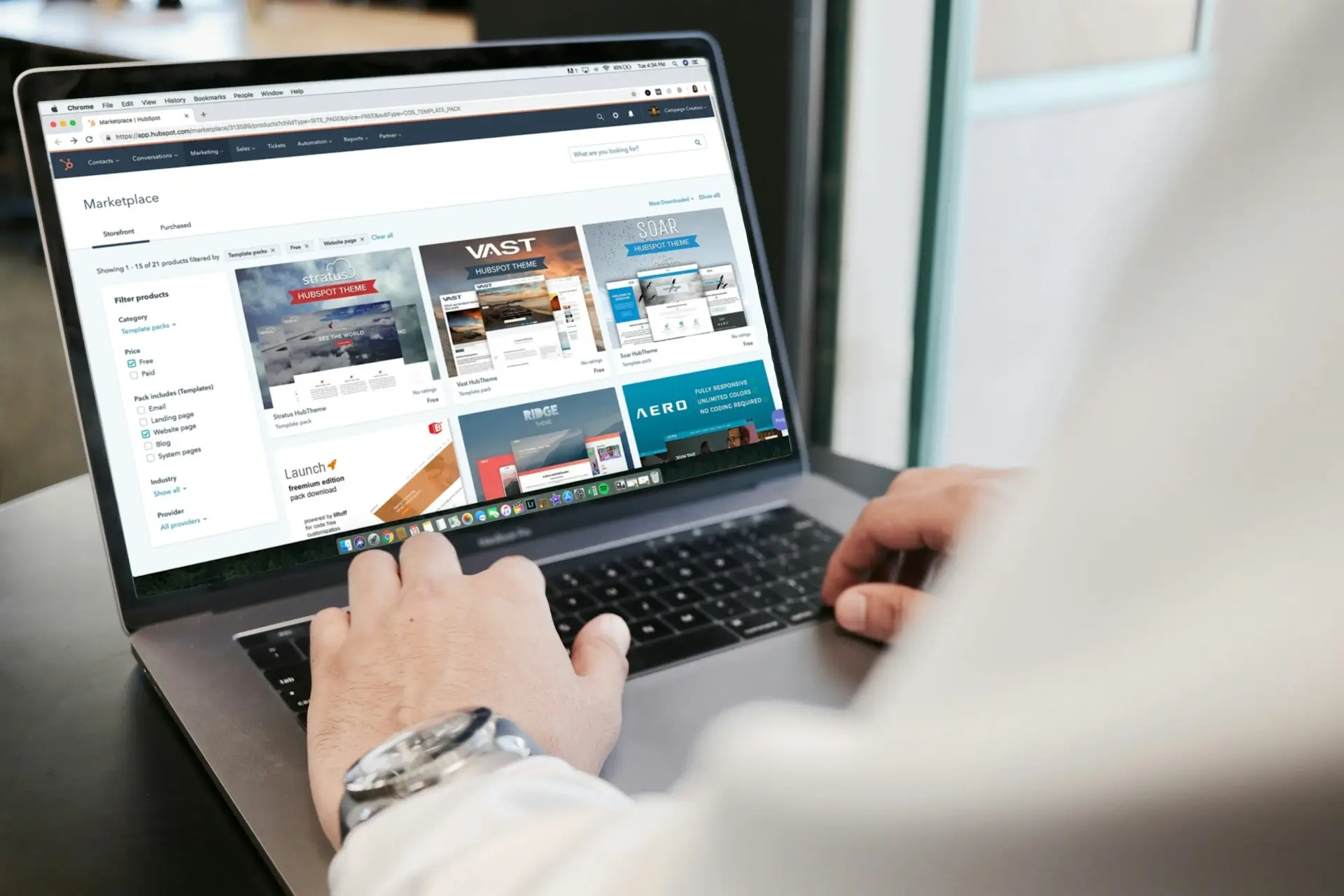
An online marketplace is an e-commerce platform that enables multiple sellers to sell their products or services to a common set of customers. Online marketplaces already have customer traffic, trust, and payment infrastructure established, making it easier for businesses to start selling quickly. However, online marketplaces also charge fees, have restrictions, and control customer access, which can impact profitability.
Types of Online Marketplaces
Learning about marketplace types is an important step in understanding how to select the right marketplace for your business.
1. Business to Consumer (B2C)
B2C marketplaces like Amazon, Walmart, and Flipkart enable businesses to sell their products to individual consumers. They provide huge reach, quick delivery options, and very high customer trust. However, the competition is very high, the fees are high, and the control over the brand is limited.
2. Consumer to Consumer (C2C)
C2C marketplaces like eBay and Facebook Marketplace enable consumers to sell to other consumers. These marketplaces are best suited for used items, collectibles, or small-scale sellers. However, they lack professional features and offer poor opportunities for brand building.
3. Business to Business (B2B)
B2B marketplaces such as Alibaba, IndiaMART, and TradeIndia are designed for wholesale and bulk business. They are best suited for manufacturers and suppliers. However, sales take a longer time and involve negotiations and relationship-building.
4. Niche Marketplaces
Niche marketplaces like Etsy or Houzz are designed for specific product types and communities. They attract highly targeted audiences. However, they may not be suitable for scaling up business.
Key Factors to Consider
The most crucial factors to consider while selecting a marketplace are audience reach and product fit. If you choose a large marketplace, you will get excellent visibility, but you will also face stiff competition.
On the other hand, niche marketplaces will give you a smaller but highly targeted audience. Product type is also an important factor. Electronics and fast-moving consumer goods are best suited for large marketplaces, while niche or B2B marketplaces are suitable for handmade or bulk products.
Costs, logistics, and control of the brand are also factors that need to be carefully considered. Marketplaces charge commissions, listing fees, fulfillment fees, and advertising costs, which directly affect the profit margins. Marketplaces handle logistics and returns for some businesses, while others have to self-fulfill. Businesses that focus on long-term growth also need to consider the level of access to customer data and communication that the marketplace provides, as this plays a key role in how to market your business effectively.
How to Make the Final Decision
Begin by identifying your business objectives. Do you want fast sales, bulk purchases, or brand development? Align your products with platforms where your target audience is already shopping. This is an effective way to test the waters before making a final decision.
Don’t put all your eggs in one basket. Market diversification is an effective way to ensure stability and protect revenue.
Conclusion
Learning how to select the appropriate marketplace for your business is essential for long-term success in ecommerce. Broad marketplaces offer scalability and credibility, while specialized and brand-centric marketplaces enable building strong consumer relationships. The appropriate marketplace will complement your product, target market, and long-term strategy to ensure steady growth and profitability.
FAQs
1. How do I choose the best marketplace for my business?
When selecting the best marketplace for your business, you will want to consider several factors including the target market for your product, product type, pricing model, fees, and how fulfillment will occur.
2. Is it better to sell on a marketplace or build your own online store?
Selling on a marketplace allows for quicker access to customers and provides customers with an inherent level of trust. On the other hand, having your own website allows for greater control over your branding and provides more detailed data about customers.
3. Can I sell on multiple marketplaces at the same time?
Yes, selling through multiple marketplaces will increase the number of people who will see your products and will help prevent you from becoming over-reliant on one marketplace.
Business Outstanders brings you sharp insights on tech, business, entrepreneurship, law, crypto, and more. We uncover what’s next. Stay updated, sign up for our newsletter and be part of the future!