When deciding whether to have an online business vs offline business, you must keep in mind your goals, budget, target market, and how you plan to operate. Each of these business models has advantages and disadvantages. Understanding the differences between online and offline businesses will help you make better decisions when starting or expanding your business.
In very basic terms, online businesses utilize technology and the internet to sell their goods or services, while offline business uses traditional methods of selling goods and/or services. Both businesses sell to customers in different ways, and both have their own way of growing and being successful.
Understanding Online and Offline Businesses
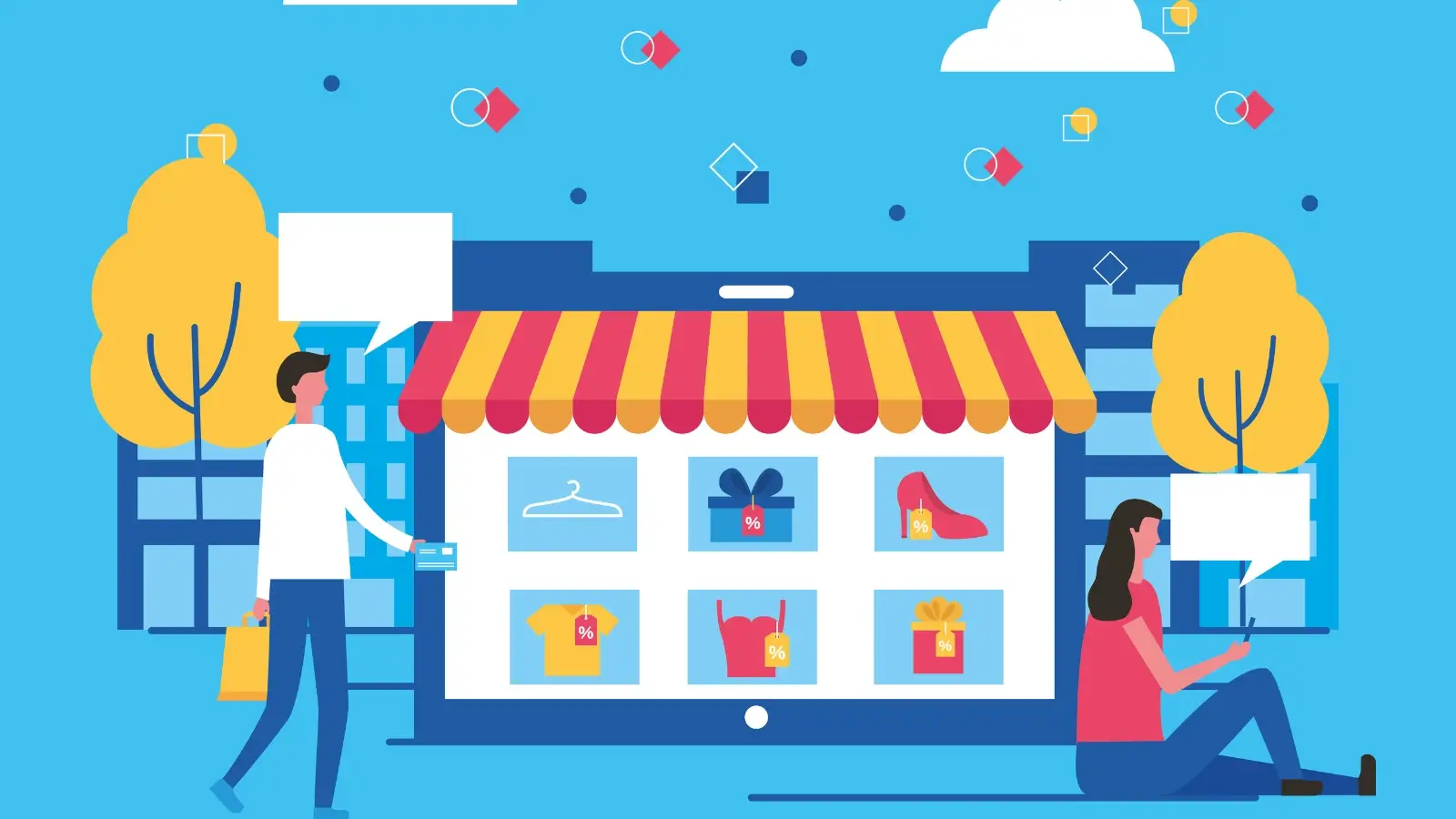
Online businesses provide a way for customers to purchase goods and services online via websites, apps, and/or social media sites, or an online marketplace. Some examples of online businesses include online retailers, online services, online classes, and people working from home as freelancers.
Offline businesses conduct their business in a physical location, such as a retail store, restaurant, hair salon, or local service provider.
Exploring the difference between online and offline business will help you choose the appropriate model depending on what type of resources and abilities you have as a business owner.
Advantages of an Online Business
Starting an online business typically doesn't require as much up-front expense as an offline business. Rentals, large employee bases, and physical product storage/maintenance are not usually necessary for starting an online business. Therefore, it is easier for new entrepreneurs to enter the marketplace with an online business than with an offline one.
In addition to having lower costs, online businesses also provide much more flexibility. You can run your online business from virtually any location, and you can sell to customers anywhere in the world. Additionally, there is a wide range of automated tools to help you manage your online business's sales, payments, marketing, and customer service.
One of the greatest advantages of running an online business is the ability to scale and grow the company without having to incur a proportional increase in operating costs.
Advantages of an Offline Business
The majority of benefits associated with running an offline business occur as a result of face-to-face interactions with customers. Because of this experience and level of connection, offline businesses are faster at establishing customer trust.
Another advantage of running an offline business is that customers become familiar with you and your business through your physical presence in the community. A good physical presence allows you to build relationships with customers within your local community who visit your business for the first time or repeatedly.
Despite the many advantages associated with having an online business, for a number of industries, it is more beneficial for an offline business to operate in an offline environment.
Difference Between Online and Offline Business
The main distinction between online and offline businesses is the scope of an organization and its corresponding cost structure. An online business can access a worldwide customer base at a relatively low cost as compared to offline businesses that are geographically limited and will incur substantially higher overhead costs to operate a local business.
With respect to marketing as well, the differences between online and offline businesses include digital marketing techniques (SEO, social media, etc.) for online businesses and traditional marketing methods (location-based marketing, word-of-mouth, etc.) for offline businesses.
Customer data can be tracked easily by an online business whereas offline businesses tend to rely more on personal or direct feedback and building a customer relationship.
Conclusion: Which Type of Business is Best?
There is no 'one size fits all' solution when it comes to comparing an online vs offline business. For people looking for a flexible business model and low-level entry costs, online business models may be the best solution. Alternatively, if an entrepreneur places a premium on face-to-face interaction and creating a community in which to do business, then offline models may be the best solution.
With a large number of successful companies taking advantage of both business approaches (known as 'hybrid' or 'multichannel'), it is helpful for each entrepreneur to analyze his/her business to determine which model will best meet their needs, available financial resources, and strategic direction.
Read our Full Entrepreneurship Guide Here: Entrepreneurship: A Complete Guide to Starting and Growing a Business
FAQs
1. Which is better, an online or offline business?
There is no one-size-fits-all answer to which one is more beneficial than the other. Your choice will depend on your objectives, money available, industry type, and intended audience.
2. What are the four main types of business?
The four main business structures are: sole trader; partnership; registered company; and Limited Liability Company (LLC).
3. Is an online business profitable?
Yes, it’s possible to make a successful online business through strategic planning, good market positioning, and consistently being productive.
Business Outstanders brings you sharp insights on tech, business, entrepreneurship, law, crypto, and more. We uncover what’s next. Stay updated, sign up for our newsletter and be part of the future!