Key Takeaways
- Visual storytelling significantly boosts engagement and retention in presentations.
- Using infographics, videos, and images simplifies complex subjects for diverse audiences.
- Modern tools and techniques enable seamless adoption of visual storytelling across various platforms.
In today's fast-paced digital world, maintaining an audience’s attention during a presentation demands more than traditional slides and dense text. With the rise of immersive visuals and dynamic design, presenters are moving toward visual storytelling, an approach that elevates audience engagement, retention, and comprehension. For anyone seeking to stay ahead in creating memorable presentations, leveraging an AI presentation maker can streamline the process of designing compelling visual narratives.
Visual storytelling integrates visuals, narrative structure, and interactivity to bring ideas to life and ensure messages resonate with viewers. This method goes beyond aesthetics by strategically using imagery, data visualizations, and video to clarify complex topics and foster a deeper connection with the audience.
The Shift Toward Visual Storytelling
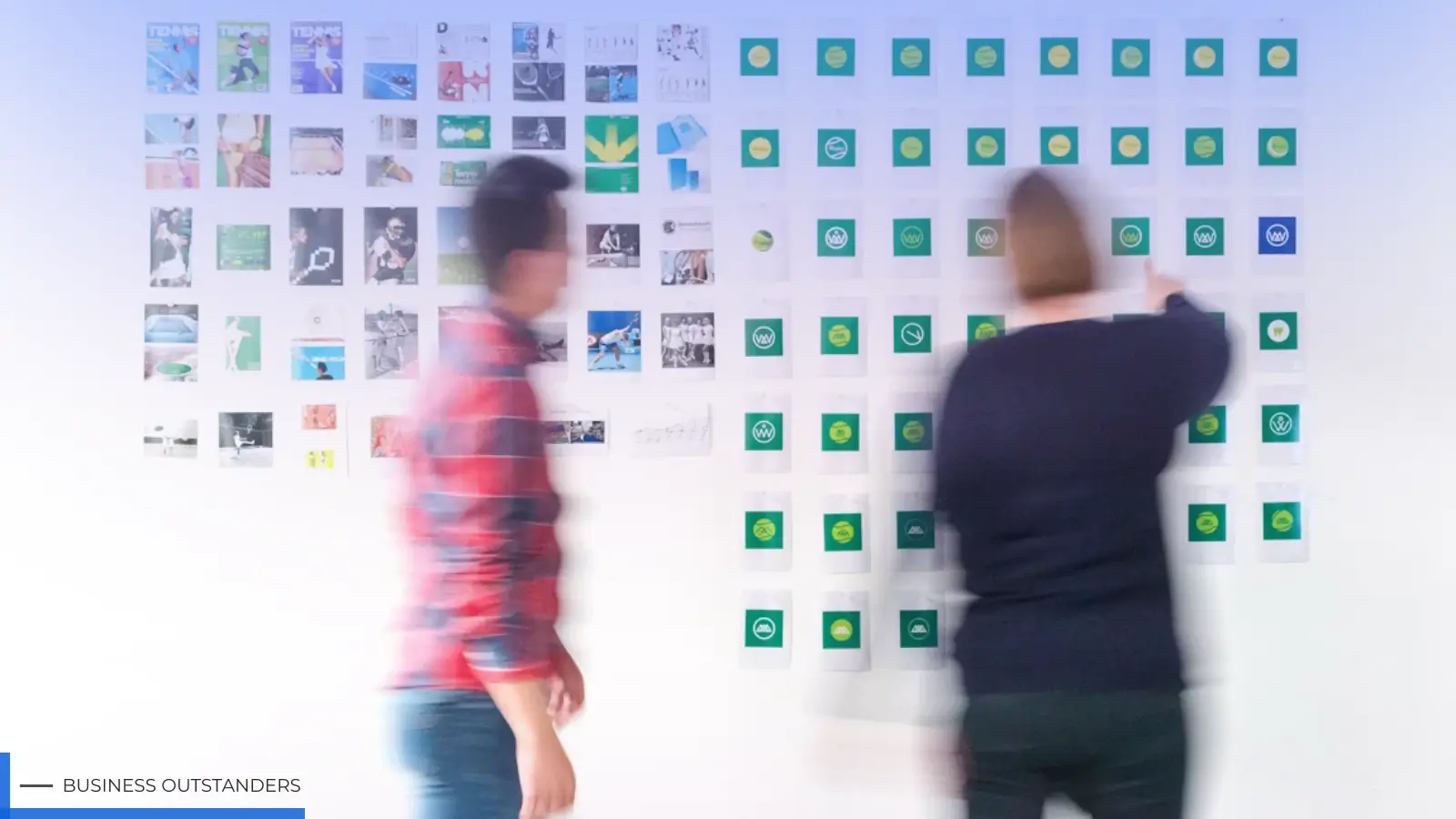
Audiences today have little patience for monotonous, text-heavy slides. As professional environments and educational landscapes become more visual, expectations for presentations have shifted. Story-driven visuals now form the backbone of effective communication. This approach transforms conventional slide decks into engaging experiences that are easier to remember and act upon. According to research from the New York Times, visual narratives not only grab attention but also drive higher levels of audience participation and idea retention.
Visual storytelling combines the clear structure of storytelling with impactful design elements to make facts, statistics, and stories memorable. Companies and educators now recognize that the crucial link between message and memory often lies in the power of compelling visuals.
Benefits of Visual Storytelling
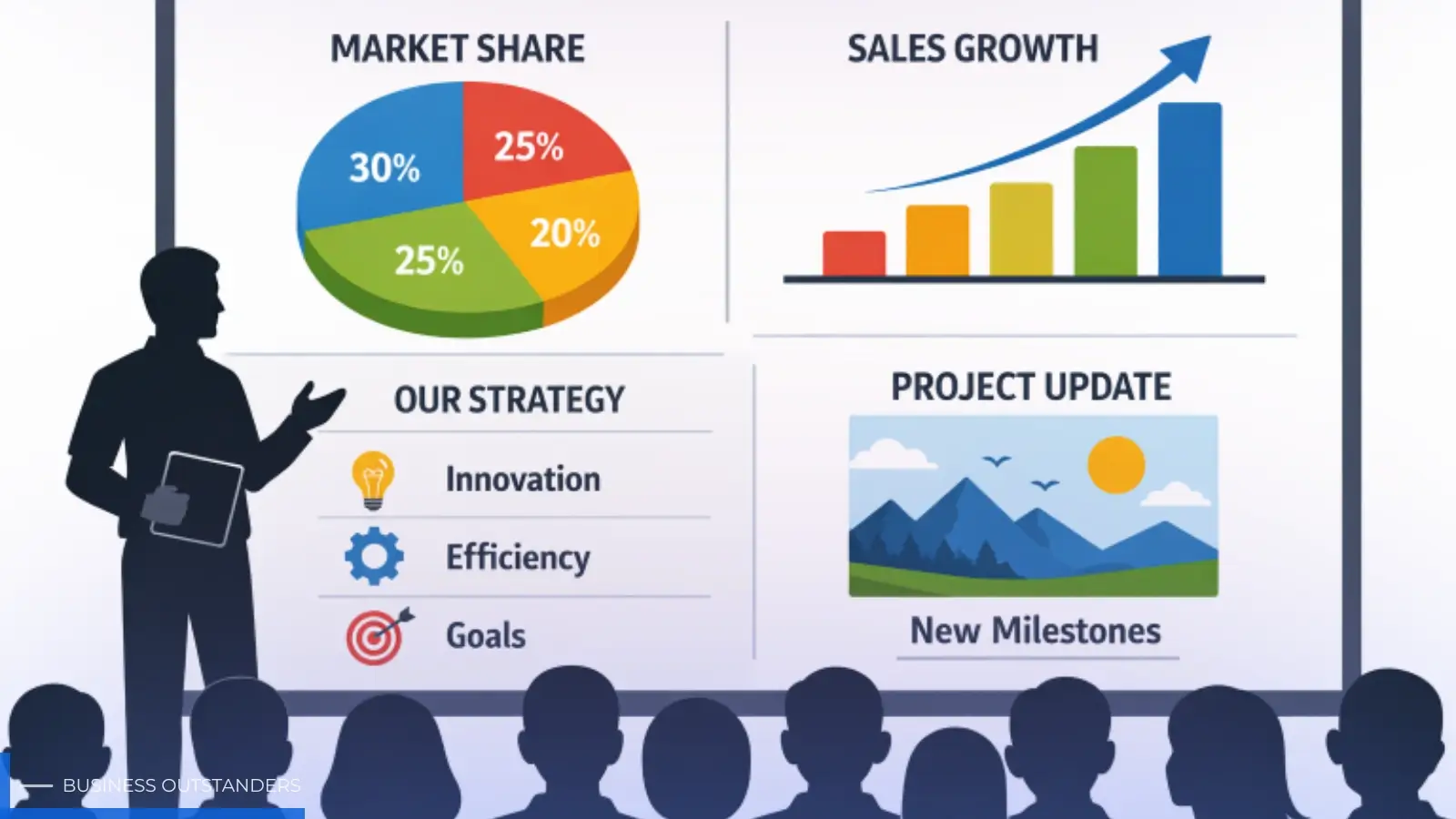
Embracing visual elements in presentations offers several strategic advantages. Firstly, enhanced engagement is achieved as visually appealing content captivates audience attention, promoting active listening and participation. Secondly, the use of images and graphics significantly improves information retention, with studies indicating audiences are up to six times more likely to remember key messages when visuals are used instead of text alone. Lastly, visual tools such as infographics simplify complex data, making it easier for diverse audiences to comprehend dense information through attractive and digestible formats.
Incorporating Visual Storytelling into Presentations
Successfully weaving visual storytelling into your presentations requires thoughtful planning and execution. Start by understanding your audience—identify their preferences, existing knowledge, and what visuals are likely to resonate. From there, focus on using high-quality visuals that reinforce your core message, and introduce data visualizations that clarify rather than complicate.
- Understand Your Audience: Identify your audience’s needs and adapt your visuals accordingly.
- Use High-Quality Images: Select visuals that are clear, relevant, and representative of your main ideas.
- Incorporate Data Visualizations: Use charts, infographics, or interactive graphics to convey statistics and trends clearly.
- Maintain Consistency: Develop cohesive visual themes that match your branding or subject matter for a professional look.
- Practice Visual Hierarchy: Arrange design elements so that the most critical points are highlighted, and the audience’s focus logically flows through your narrative.
Tools and Resources for Visual Storytelling
Modern technology significantly enhances the creation of presentations across various platforms. Canva simplifies the design process with user-friendly templates and an extensive library of visual assets, catering to both novices and experts. Flourish specializes in developing custom charts, maps, and interactive data visualizations, making it ideal for data-driven presentations. Prezi revolutionizes traditional formats by offering a zoomable canvas that supports dynamic storytelling through non-linear presentations, engaging audiences in innovative ways.
Real-World Examples of Visual Storytelling
Major organizations have made visual storytelling a core aspect of their presentation strategy. For example, in 2025, The Washington Post produced over 300 visual stories, each designed to translate complex news and analyses into clear, impactful narratives. These case studies demonstrate how professionally crafted visuals can elevate content, foster audience trust, and amplify the impact of key messages.
Challenges and Considerations
While visual storytelling offers significant advantages, achieving the right balance is crucial. Excessive visuals can obscure the main message and detract from its clarity. It's essential to prioritize accessibility by including descriptive alt text and ensuring adequate color contrast in visuals. Each graphic must be purposefully connected to the message to uphold coherence and meaning for all viewers. Key considerations include: strategically using visuals to avoid confusion, ensuring accessibility with clear descriptions and optimal contrast for all attendees, and aligning each visual with specific narrative points to reinforce rather than replace the message.
Conclusion
Visual storytelling is a transformative skill in the modern era of presentations. By leveraging thoughtful visual elements, informed by current technology and design principles, presenters can transcend traditional slide decks and craft persuasive, memorable experiences that tap into the power of the visual mind. Extending these principles to visual storytelling through signage can further strengthen brand communication by aligning design with real-world audience interactions. For organizations and individuals alike, the effective use of visual narratives is fast becoming the key differentiator in communication success.
Business Outstanders brings you sharp insights on tech, business, entrepreneurship, law, crypto, and more. We uncover what’s next. Stay updated, sign up for our newsletter and be part of the future!