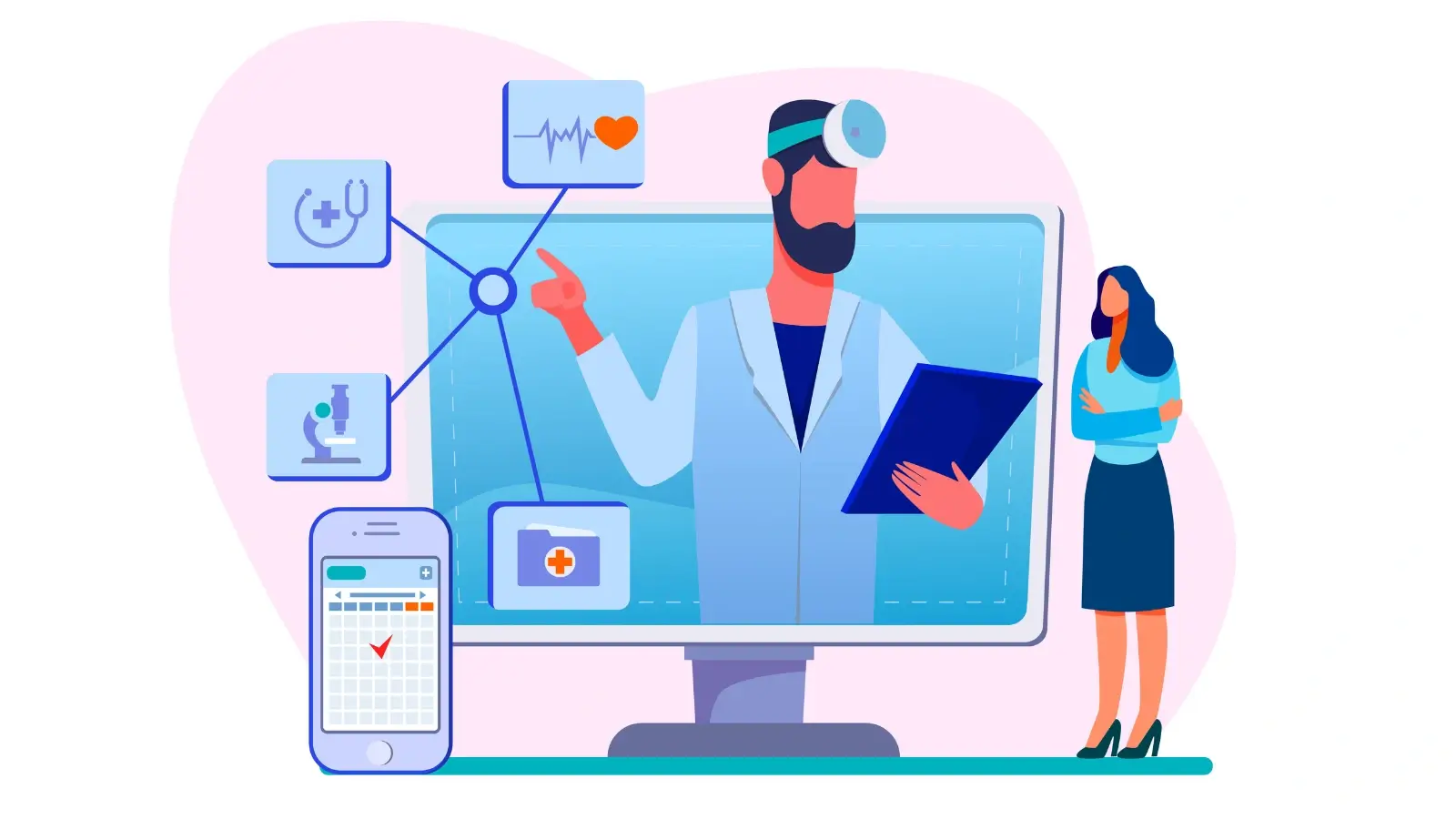
The modern healthcare landscape is shifting. Gone are the days when patients were passive recipients of care; today, they are active participants seeking understanding, transparency, and control over their health journeys. However, a significant hurdle remains: the complexity of medical information. For healthcare providers and med-tech companies, the challenge is no longer just about innovation, but about communication.
This is where the specialised role of a media marketing agency becomes crucial. By leveraging digital tools and strategic narratives, these agencies do not merely promote services, they translate critical health concepts into a language that resonates with the public, bridging the gap between clinical expertise and patient understanding.
Decoding Complex Care with Visual Storytelling
The human brain processes visual information 60,000 times faster than text. In a medical context, where stress levels are high and terminology is dense, text-heavy brochures often fail to convey necessary instructions effectively. Visual media, particularly video, acts as a powerful conduit for clarity.
Consider the difficulty of explaining a laparoscopic procedure or the functionality of a new wearable heart monitor through text alone. It can be overwhelming for a patient. However, utilising high-quality explainer videos allows providers to demystify these complex topics. By breaking down intricate surgical procedures or device usage into clear, visual steps, media professionals ensure that patients feel less intimidated and more empowered to make informed decisions about their care. This visual approach reduces anxiety and fosters trust between the patient and the provider.
The Digital Pulse of Patient Health Literacy
The impact of digital media extends beyond mere comprehension; it directly influences health outcomes. When patients understand their conditions and treatments, adherence to medication and recovery protocols improves significantly. This connection is not merely anecdotal but supported by rigorous scientific data.
Recent research highlights this connection explicitly. According to a study published by the National Institutes of Health (NIH), improving health literacy using the power of digital communications is a definitive pathway to achieving better health outcomes for patients. The study notes that digital interventions, ranging from mobile apps to interactive web platforms and automated mailing solutions, significantly enhance a patient's ability to manage their own health. For tech entrepreneurs and business owners in the health sector, this data validates the investment in high-quality user interface (UI) design and content strategy. It is not just about aesthetics; it is about accessibility and saving lives.
Strategic Design for Better Health Outcomes
To truly enhance patient engagement, the digital experience must be seamless. A frustrated user on a health portal is a patient who might miss an appointment or misunderstand a prescription. Effective media strategy in healthcare focuses on "human-centric" design principles that prioritise the user's needs above all else.
Key elements of this approach include:
- Mobile Responsiveness: Ensuring health portals are fully functional on smartphones, as many users rely solely on mobile devices for internet access.
- Cognitive Accessibility: Using clear typography and high-contrast colour schemes to aid older patients or those with visual impairments.
- Speed and Simplicity: Reducing load times for telehealth platforms to ensure that medical advice is accessible even in areas with poor connectivity.
- Interactive Elements: Incorporating symptom checkers or appointment reminders that engage the user proactively rather than passively.
Conclusion
The convergence of technology, design, and healthcare offers an unprecedented opportunity to improve lives. When medical experts collaborate with creative storytellers, the result is a more health-literate population. Whether through a 3D animation explaining a new drug or a streamlined app for booking vaccinations, strategic media marketing is the heartbeat of modern patient engagement. It turns the complex into the clear, ensuring that vitality is not just a concept, but a visualised reality for everyone.
Business Outstanders brings you sharp insights on tech, business, entrepreneurship, law, crypto, and more. We uncover what’s next. Stay updated, sign up for our newsletter and be part of the future!