The world of online marketing is always a fast-moving one, and businesses have to keep up with the latest changes and trends to ensure that they don’t fall behind and fall out of visibility. As such, as we look forward to 2026, what are the trends that seem poised to dominate the 2026 landscape? There are some new, some old, and some that aren’t yet fully proven, but each of them has something for business owners to consider when planning their 2026 marketing strategy.
The Rise Of AI
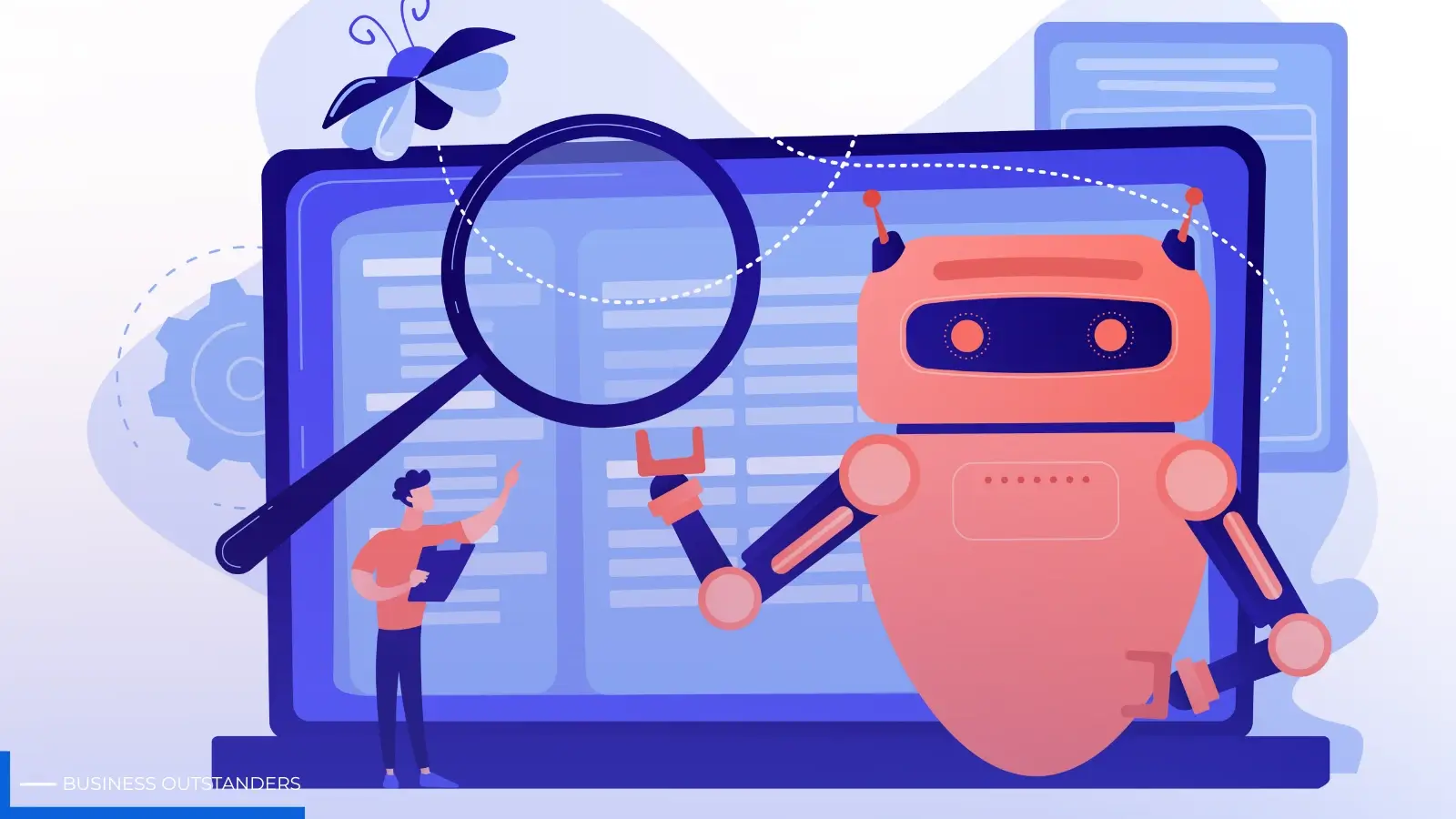
Artificial intelligence is playing a hand in marketing in a wide range of ways. AI-written and developed content has proven relatively controversial, but it’s unknown how long that controversy will last if it becomes a mainstay of the industry. What is being much more widely used, however, is AI-driven search. More and more people are using Google’s AI overview and AI mode to search for both information and businesses, and some are even turning to LLM models like ChatGPT directly for the answers. As such, businesses are starting to focus on optimizing their content directly for AI, to make sure that the models powering these tools pick up on their content more often, and thus are more likely to put it in front of readers’ eyes.
Short-Form Video
While there has been a sustained interest in long-term video content on some platforms, the attention span of the viewer seems to be shrinking. Platforms like TikTok, YouTube Shorts, and Instagram Reels are already showing what the future of engagement looks like, especially for younger users who are more native to these platforms. As such, marketers are looking to create more visually striking, immediately engaging, and highly shareable videos that are designed to get their message across in moments and to be spread throughout social media after the fact. Many platforms are integrating direct e-commerce linking into these short-form videos, as well, making them a strong choice for online stores.
Interactive Marketing Experiences
With a more online native audience comes the rise (or return) of more interactive marketing experiences. The early days of Web 2.0 saw a lot of these more immersive branding experiences through websites that started to fall a little out of fashion as the focus moved more towards immediate access to valuable content and easy navigation. However, the trend seems to be coming back, with brands using easier integration of interactive elements and better website load speeds to create real-time interactivity, especially those made for mobile first. This seeks to create an emotional resonance with the user to keep them on the site, before following up with the value of their products and services .VR and AR are still a burgeoning space for this kind of experience, too, but the home audience for these platforms is still relatively limited.
Search Engine Optimization
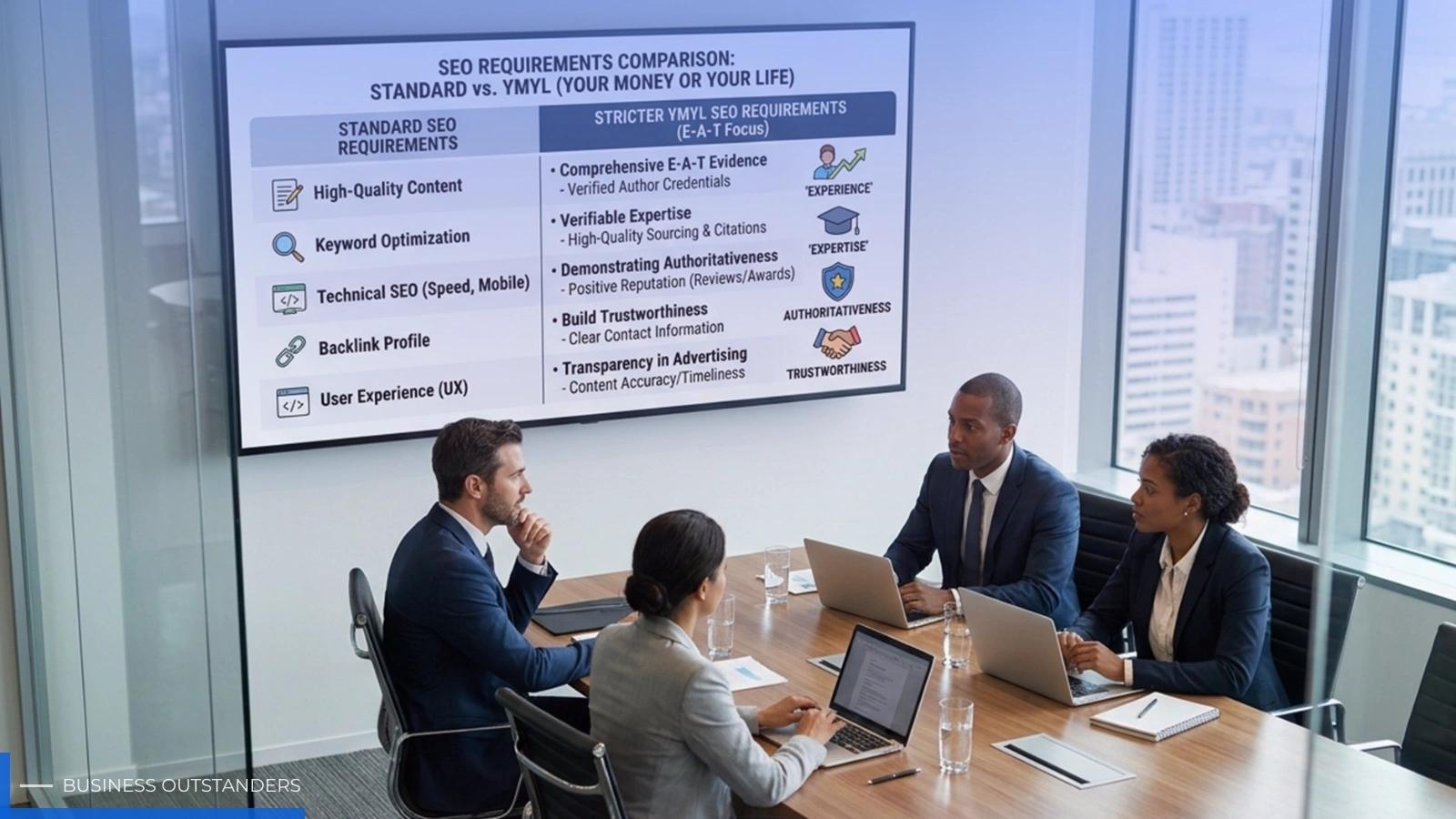
Although SEO is not a new marketing method, by any means, it is poised to grow in importance even more. This is, in some part, due to the rising trends of AI search and voice search, but content authority is also going to become more important in direct contrast to an audience that has started to learn that AI-guided results aren’t always practical. Moreover, websites do have more competition for the audience’s attention than ever, so working with an established SEO agency can provide the platform boost that many of them need. The world of search marketing will likely play an important role in the overall marketing landscape for a long time to come, so keeping up with it remains important.

Human-Centric Content
As mentioned, AI-driven and created content is on the rise, but that rise has not been entirely unproblematic. Aside from the fact that AIs are known to churn out information that simply is not correct from time to time, it does have certain tells that can make it feel much more generic. Companies want to stand out and have a unique voice, and, with readers becoming more skeptical of the authorship of content, are starting to focus more on human-centric content qualities. This can include insights and experiences directly from human members of the team, behind-the-scenes transparency, and narratives focused on authenticity, such as case studies.
Community-Integrated Marketing
If the past few years have been dominated by influencer marketing, getting high-profile names to boost the brand, then 2026 and the following years are moving towards a more granular, community-focused approach. This includes a move from bigger names towards micro-influencers with smaller, but more dedicated followings that can help build word-of-mouth more authentically. However, businesses are likely to continue integrating their marketing teams with their community management teams even further, with social platforms serving as public squares, niche forums, and even company-owned Discord servers becoming more popular. This approach can help reduce dependence on paid media by focusing more on organic growth and building trust directly within the user base. The focus will shift from broad audiences to tightly knit, value-aligned groups, making community marketing a cornerstone of future digital strategies.
Omnichannel Integration
Although already well-established within the more high-end brands, omnichannel marketing is starting to become more popular amongst small and medium-sized businesses, as well. Customers are moving with the expectations that their experience, be it digital, mobile, in-person, or even on social media, will carry over to the other touchpoints that they interact with. As such, more brands are moving to unify messaging and customer data management to make this a reality, whether it’s allowing customers to pick up online orders in store or being able to address account-specific questions through social media customer support. Brands that leave big gaps between those touchpoints can lose customers through them, as failing to meet those expectations can lead to frustration.
It’s always entirely possible that new technologies and marketing methods will emerge to disrupt the market in 2026 beyond those mentioned above. As such, it’s always worth keeping your ear to the ground, reading the marketing news, and working with the right agencies who are able to adapt as necessary.
Business Outstanders brings you sharp insights on tech, business, entrepreneurship, law, crypto, and more. We uncover what’s next. Stay updated, sign up for our newsletter and be part of the future!