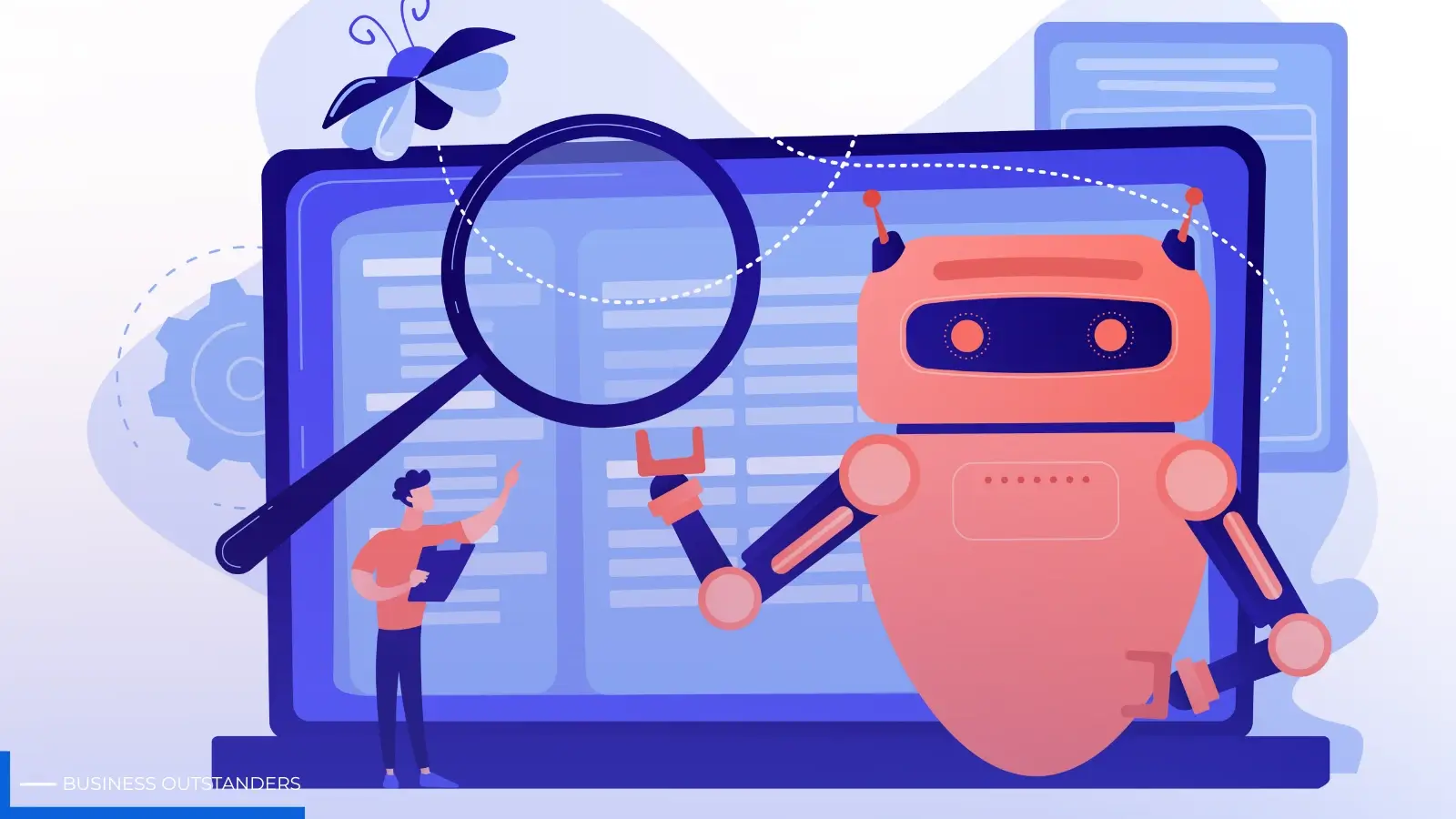
In today's competitive business environment, CRM systems are essential for improving customer relationship management. By automating repetitive tasks, companies can streamline operations, reduce human error, and ensure consistent communication with customers. This boosts efficiency and creates new growth opportunities for businesses.
What is CRM Automation?
CRM software refers to technology that automates tasks like lead scoring, follow-ups, and task management. It streamlines workflows, improves data management, and enhances customer interactions. The key difference between traditional CRM and automated systems is that the latter provides tools for automating processes, leading to better scalability and reduced manual labor.
How CRM Enhances Sales Growth
By automating the sales process, from lead capture to deal closure, CRM systems help businesses focus on high-value prospects. Sales forecasting and lead scoring enable businesses to identify opportunities and close deals more effectively.
Ways CRM drives sales:
- Lead generation. Captures leads from websites automatically.
- Lead scoring. Ranks leads based on behavior.
- Follow-up. Sends timely, personalized follow-up emails.
Tools and Features of CRM Systems
A wide variety of CRM tools are available, designed to optimize customer management across different functions.
Common CRM tools:
- Email marketing. Automates personalized email campaigns.
- Chatbots. Handle customer interactions 24/7.
- Social media integration. Track and engage customers on social platforms.
- Analytics. Measure and analyze automated campaigns.
- Admin tools. Enhance CRM experience by integrating various administrative tools for smoother operations. If you're looking for advanced CRM tools, Sugarant offers a suite of features that can elevate your CRM system.
Key Technologies Enhancing CRM
Advanced technologies like AI and machine learning allow CRM systems to analyze customer data and predict future needs. Additionally, big data analytics and IoT help businesses personalize customer interactions and make data-driven decisions.
Technologies driving CRM evolution:
- AI. Provides predictive insights into customer behavior.
- Machine learning. Adapts systems based on data.
- Big data. Offers deep insights into customer preferences.
- IoT. Gathers real-time data for personalized experiences.
Cloud-Based CRM Systems: Flexibility and Security
Cloud-based CRM solutions such as Salesforce and IBM offer flexibility and scalability for businesses of all sizes. These systems also provide secure data storage and allow teams to access information from any location.
Advantages of cloud CRM:
- Flexibility. Access data from anywhere.
- Scalability. Adjust systems as the business grows.
- Security. Cloud providers offer robust data security and backup.
Best Practices for CRM Implementation
Implementing CRM successfully requires a strategic approach. Identify processes to automate, select the right CRM system, train employees, and monitor performance.
Steps for successful implementation:
- Define processes. Identify tasks to automate (e.g., follow-ups).
- Choose the right CRM. Select a system that fits your needs.
- Train employees. Ensure your team knows how to use the system.
- Monitor and test. Regularly review performance and optimize.
The Future of CRM Systems
The future of CRM is being shaped by innovations in AI and data-driven technologies. With increasing customer expectations, CRM systems will use AI to predict behaviors and deliver personalized experiences at scale.
CRM trends:
- AI use. Smarter systems that predict and adapt.
- Voice-enabled CRM. Allows customer interaction via voice commands.
- IoT integration. Collects real-time data to enhance user experience.
Overcoming Challenges in CRM Adoption
Despite its benefits, adopting CRM systems can present challenges like employee resistance, data integration issues, and setup complexity. However, addressing these challenges with proper training and support ensures a smoother transition.
Common challenges:
- Resistance to change. Overcoming reluctance from employees.
- Data integration. Ensuring seamless integration with existing systems.
- Complex setup. Some systems are difficult to configure and manage.
By focusing on these aspects, businesses can fully leverage CRM systems to improve their operations and customer experiences.
Conclusion
CRM is no longer just a tool but a necessity for businesses seeking to stay competitive. By streamlining operations and improving customer interactions, companies can drive growth and enhance efficiency.
Business Outstanders brings you sharp insights on tech, business, entrepreneurship, law, crypto, and more. We uncover what’s next. Stay updated, sign up for our newsletter and be part of the future!