The rapid digital acceleration of the early 2020s left many Australian business leaders breathless. We witnessed a collective rush toward the metaverse, a scramble to integrate generative AI into every workflow, and a pivot to every new social platform that gained traction. However, as we settle further into 2026, the pendulum is swinging back. The prevailing theme for this financial year is not radical experimentation but rather a calculated return to the fundamentals that drive tangible revenue.
For Australian SMEs and enterprise leaders alike, 2026 has become the year of the "Digital Balancing Act." This strategy does not reject innovation. Instead, it prioritises the stability of core business assets, such as websites, search visibility, and customer retention, before layering on complex new technologies. It is a recognition that sustainable growth requires a strong foundation rather than just a flashy façade.
The Resilience of the Australian Market
Despite the economic headwinds that defined the global landscape over the last few years, the Australian entrepreneurial spirit remains remarkably stubborn and resilient. While retail trade has seen volatility, the broader business ecosystem is expanding, driven largely by service-based sectors and health care.
This resilience is backed by hard data. According to the Australian Bureau of Statistics, there was a 2.5% increase in actively trading businesses through the 2024-25 financial year. This growth suggests that Australian business owners are finding ways to adapt and survive. They are achieving this not by gambling on high-risk speculative tech, but by doubling down on proven models that ensure cash flow and operational stability. The data indicates that while the market is tough, the appetite for business creation and continuity is stronger than ever.
Prioritising Owned Assets Over Rented Land
One of the primary drivers of this "back to basics" approach is the realisation that social media algorithms are fickle landlords. For years, brands poured budgets into platforms where organic reach could vanish with a single algorithm update. In 2026, the focus has shifted back to "owned assets"; specifically, the company website and its organic search ranking.
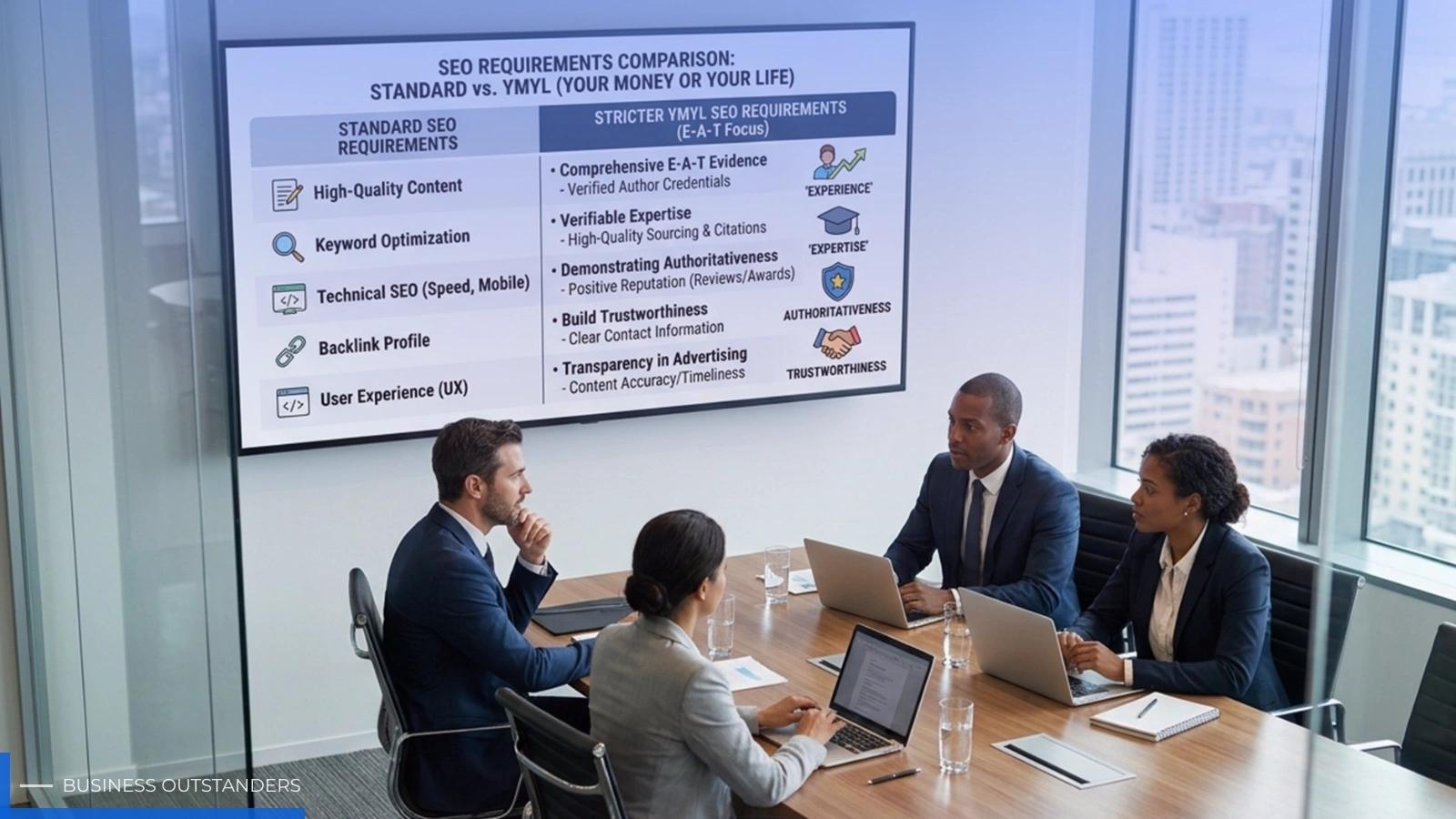
This is where the distinction between vanity metrics and commercial value becomes clear. A viral video might feel good, but a first-page Google ranking for a high-intent keyword pays the bills. Strategic partners like Move Ahead Media have become essential in this landscape. By focusing on technical SEO and robust content strategies, they help businesses secure digital real estate that they actually control. This foundational work ensures that when the next digital trend fades, the business remains visible and viable.
Clarity Over Complexity in Marketing
The move toward simplicity extends beyond technical infrastructure and into brand messaging. The sophisticated consumer of 2026 is tired of noise. They are looking for brands that communicate clearly, authentically, and without unnecessary friction. The era of complex funnels and over-engineered customer journeys is giving way to direct, purpose-driven engagement.
This sentiment is echoed by industry leaders who are championing a more intentional approach to growth. As noted in a recent interview, marketing strategist Natasha Panetta advocates for clarity over complexity, arguing that a business's digital presence must be built on fundamental truths rather than fleeting trends. Panetta suggests that social media should merely serve as a touchpoint, while the "digital home" or the website must remain the anchor of the brand's identity. This aligns perfectly with the broader market shift: businesses are simplifying their message to ensure it resonates deeper with their core audience.
Implementing the 'Back to Basics' Strategy
Adopting a back-to-basics strategy does not mean becoming a Luddite. It means using technology to reinforce your core strengths rather than distract from them. Here is how leading Australian firms are striking that balance in 2026:
- Audit Before You Automate: Before implementing new AI tools, conduct a thorough audit of your current processes. If a workflow is broken, automating it will only make it break faster.
- SEO as a Capital Asset: Treat your search ranking like a physical asset. Invest in it regularly. Unlike paid ads, which stop working the moment you stop paying, good SEO compounds in value over time.
- Human-Centric Customer Service: Use bots for triage, but ensure a human is available for complex issues. In an automated world, human accessibility is a premium differentiator.
- Data Hygiene: Focus on collecting "clean" data from your own customers rather than buying third-party lists. First-party data is the most reliable source for future forecasting.
The Road Ahead
The businesses that will thrive in late 2026 and beyond are those that can master this balancing act. They will use AI and automation to reduce overheads, but they will rely on human insight and traditional marketing principles to drive strategy. By securing their digital foundations and focusing on clarity, Australian businesses are positioning themselves not just to survive the current economic climate, but to lead the next wave of genuine innovation.
Business Outstanders brings you sharp insights on tech, business, entrepreneurship, law, crypto, and more. We uncover what’s next. Stay updated, sign up for our newsletter and be part of the future!