Introduction:
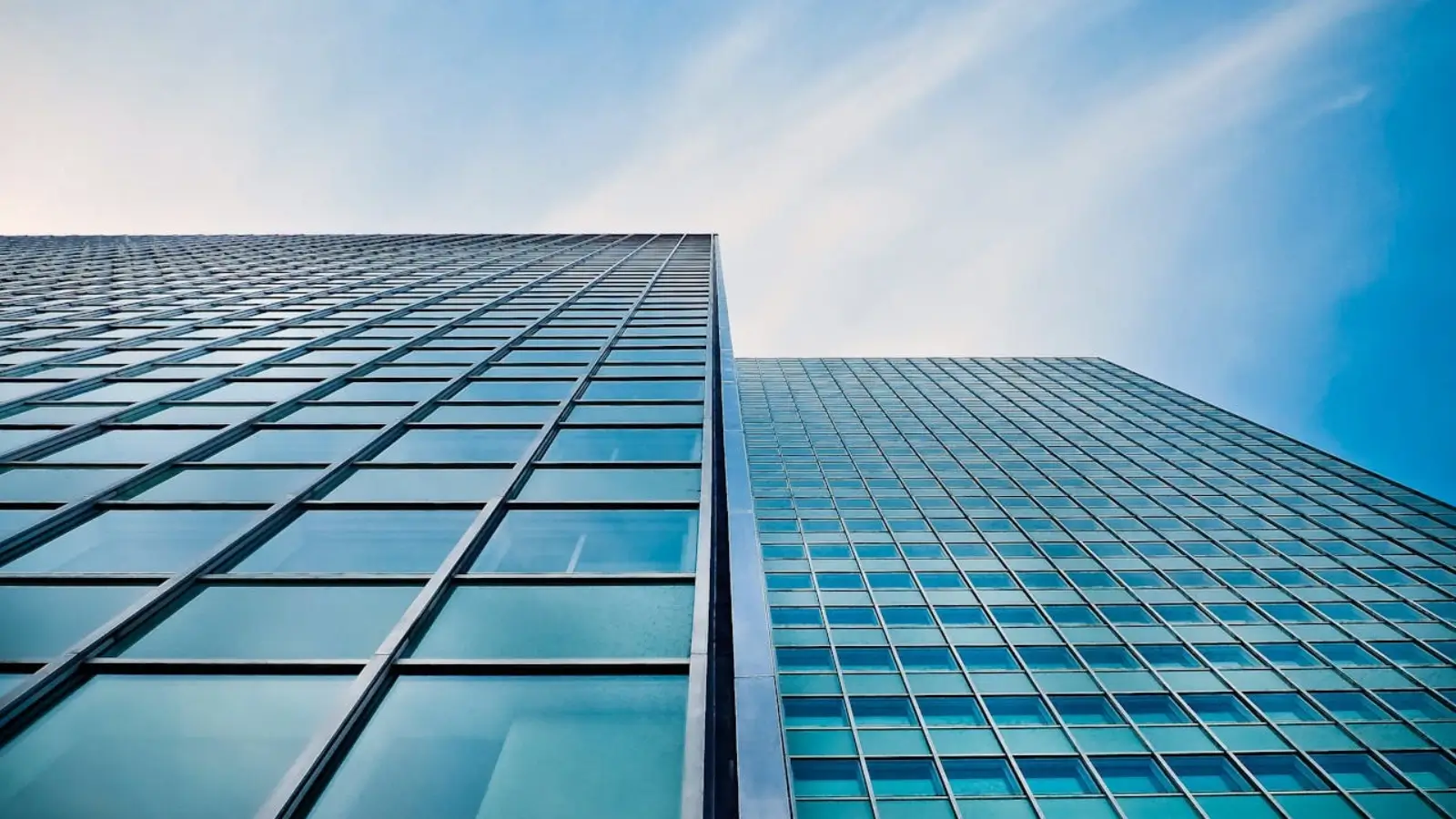
In contemporary architectural and construction projects, the use of commercial glass has become increasingly prominent due to its versatility, aesthetic appeal, and functional advantages. Commercial glass is no longer merely a structural element; it serves multiple purposes, from enhancing natural light and energy efficiency to contributing to the overall aesthetic of buildings. As businesses continue to prioritize sustainability, efficiency, and visual appeal, the demand for high-quality commercial glass has grown exponentially. This article explores the various applications, benefits, and technological advancements of commercial glass, demonstrating why it has become an indispensable material in modern construction.
Transforming Spaces Through Natural Light and Openness
One of the most significant advantages of commercial glass is its ability to create open, transparent spaces while maintaining structural integrity. Unlike traditional building materials that may feel heavy or confining, commercial glass allows for an abundance of natural light to penetrate interiors, reducing the reliance on artificial lighting and creating a more inviting atmosphere. Natural light is known to enhance productivity, boost mood, and reduce energy consumption, making commercial glass an ideal choice for office buildings, retail spaces, and public facilities. By integrating commercial glass, architects can transform confined or dull areas into vibrant, functional spaces that promote both comfort and efficiency.
Customizable Design and Aesthetic Flexibility
Commercial glass offers exceptional design flexibility, making it a preferred choice for architects and designers. This material can be customized to meet specific aesthetic and functional requirements, whether it is through varying thicknesses, tints, textures, or coatings. For example, tempered and laminated commercial glass enhances safety and durability without compromising transparency. Similarly, reflective or tinted glass helps control heat and glare, contributing to energy efficiency while maintaining a sleek, modern appearance. The ability to tailor commercial glass to meet diverse design and performance needs has made it an essential element in contemporary architecture, where creativity and innovation are paramount.
Energy Efficiency and Sustainable Building Solutions
Beyond aesthetics, commercial glass plays a vital role in energy efficiency and sustainability in buildings. Advanced glass technologies, such as low-emissivity coatings, insulated glazing, and smart glass systems, help regulate indoor temperatures and minimize energy consumption. Low-emissivity glass reflects heat back into the building during colder months and keeps heat out during warmer months, reducing the need for artificial heating or cooling. Insulated glazing provides an additional barrier against heat transfer, further improving energy efficiency. These innovations not only help building owners lower operational costs but also contribute to environmental sustainability by reducing carbon footprints.
Safety, Security, and Structural Reliability
Safety and security are critical considerations in commercial construction, and commercial glass addresses these concerns effectively. Laminated glass consists of multiple layers with an interlayer that holds the glass together if shattered, reducing the risk of injury. Similarly, tempered glass is heat-treated to enhance strength and break into small, blunt pieces rather than sharp shards, providing additional protection in high-traffic areas. In commercial buildings where large glass panels are frequently used in facades, doors, and partitions, these safety features are essential. The combination of durability, strength, and aesthetic versatility makes commercial glass a highly practical and attractive option for modern construction projects.
Acoustic Performance and Noise Reduction
Commercial glass also contributes significantly to noise reduction and acoustic performance. Acoustic commercial glass, designed with specialized laminates and thickness combinations, effectively reduces external noise, creating quieter, more productive indoor environments. This feature is particularly beneficial for office buildings, educational facilities, healthcare centers, and other spaces where concentration and comfort are essential. By incorporating commercial glass with enhanced acoustic properties, architects can achieve a balance between transparency, design, and functional performance.
Longevity and Maintenance Advantages
Maintenance and durability are additional factors that make commercial glass a practical choice. High-quality commercial glass is resistant to weathering, corrosion, and discoloration, ensuring longevity and minimal upkeep. Cleaning and maintenance are relatively straightforward compared to other building materials, allowing building managers to maintain a pristine appearance with limited effort. Furthermore, innovations in self-cleaning and anti-reflective glass coatings enhance convenience and visual clarity, providing lasting aesthetic appeal. The long-term cost-effectiveness of commercial glass, combined with its durability and low maintenance requirements, makes it a smart investment for commercial properties.
Interior Applications and Innovative Design Integration
The versatility of commercial glass extends to its application in interior design. In modern office environments, glass partitions are widely used to create private workspaces without obstructing light or compromising openness. Glass walls, doors, and balustrades enhance visibility, promote communication, and foster a collaborative atmosphere while maintaining a sense of individual privacy. Decorative commercial glass options, including frosted, etched, and patterned designs, allow designers to incorporate artistic elements that reflect brand identity or thematic concepts. By integrating commercial glass into both structural and interior design elements, buildings achieve a cohesive, visually appealing environment.
Technological Advancements in Commercial Glass
Technological advancements have further expanded the possibilities of commercial glass. Smart glass, for example, can adjust its opacity or tint in response to sunlight, temperature, or user preferences, offering dynamic control over lighting and privacy. Innovations in safety, durability, and energy performance continue to push the boundaries of what commercial glass can achieve, ensuring its relevance in increasingly demanding architectural and environmental contexts. These advancements have transformed commercial glass from a basic construction material into a versatile, high-tech solution that supports modern architectural innovation.
Commercial Glass and Property Value
Commercial glass also plays a crucial role in enhancing building value and market appeal. Buildings that incorporate high-quality glass facades and interior elements often attract tenants, clients, and customers by projecting an image of modernity, professionalism, and attention to detail. The use of commercial glass communicates transparency, openness, and innovation, qualities highly valued in contemporary business environments. Furthermore, energy-efficient glass solutions contribute to lower operational costs, making commercial properties more attractive to environmentally conscious buyers and tenants.
Conclusion: The Future of Commercial Glass in Architecture
In conclusion, commercial glass has evolved from a simple structural component to a multifaceted material that defines modern architectural design. Its applications range from enhancing natural light and energy efficiency to improving safety, acoustics, and overall aesthetics. With innovations such as smart glass, laminated and tempered options, and energy-efficient coatings, commercial glass continues to offer solutions that address the diverse needs of contemporary construction projects. By integrating commercial glass into both exterior and interior designs, architects and building owners can create spaces that are functional, visually appealing, sustainable, and secure. Commercial glass stands out as an essential element that combines practicality with elegance, shaping the future of modern architecture.
Business Outstanders brings you sharp insights on tech, business, entrepreneurship, law, crypto, and more. We uncover what’s next. Stay updated, sign up for our newsletter and be part of the future!