Making music used to require a long chain of decisions before anything usable existed. You needed an idea, then a structure, then either instruments, software, collaborators, or a production workflow that could turn a rough concept into something coherent. That gap between imagination and output is exactly where AI Song Generator becomes interesting. Instead of treating song creation as a fully manual process from the first note, it reframes it as a guided generation task where a user describes a musical direction, lets the system compose around it, and then judges the result as a draft, a usable asset, or a starting point for refinement.
For many people, that shift matters more than the novelty of artificial intelligence itself. The practical value is not simply that a machine can generate music. It is that a creator can move from uncertainty to something audible in minutes. In my observation, that changes the creative rhythm. This shift is a clear example of how AI in creative industries is reshaping the way ideas are developed and executed. A vague thought like “warm indie pop with nostalgic vocals” becomes testable immediately rather than remaining an idea that never reaches production.
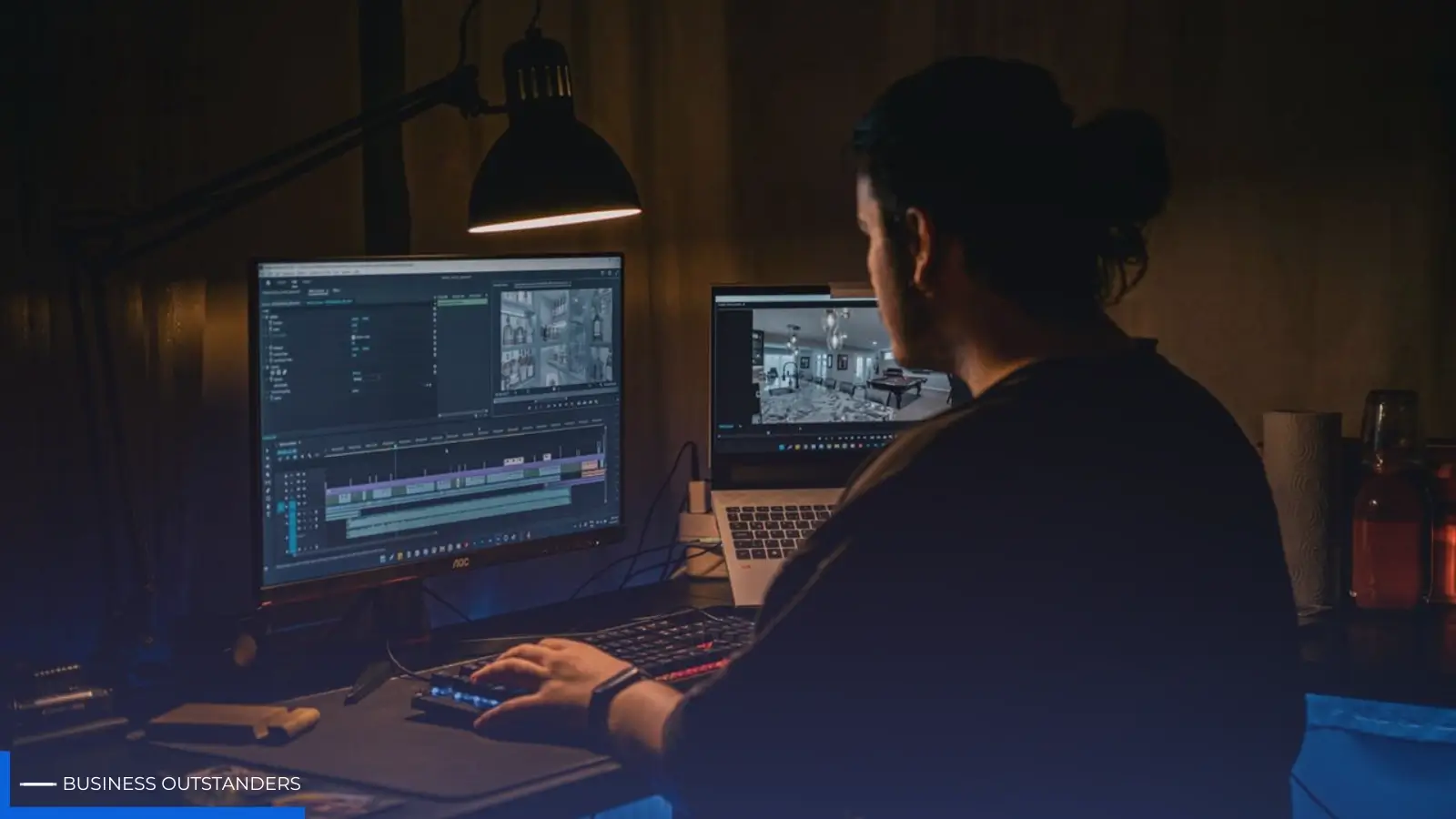
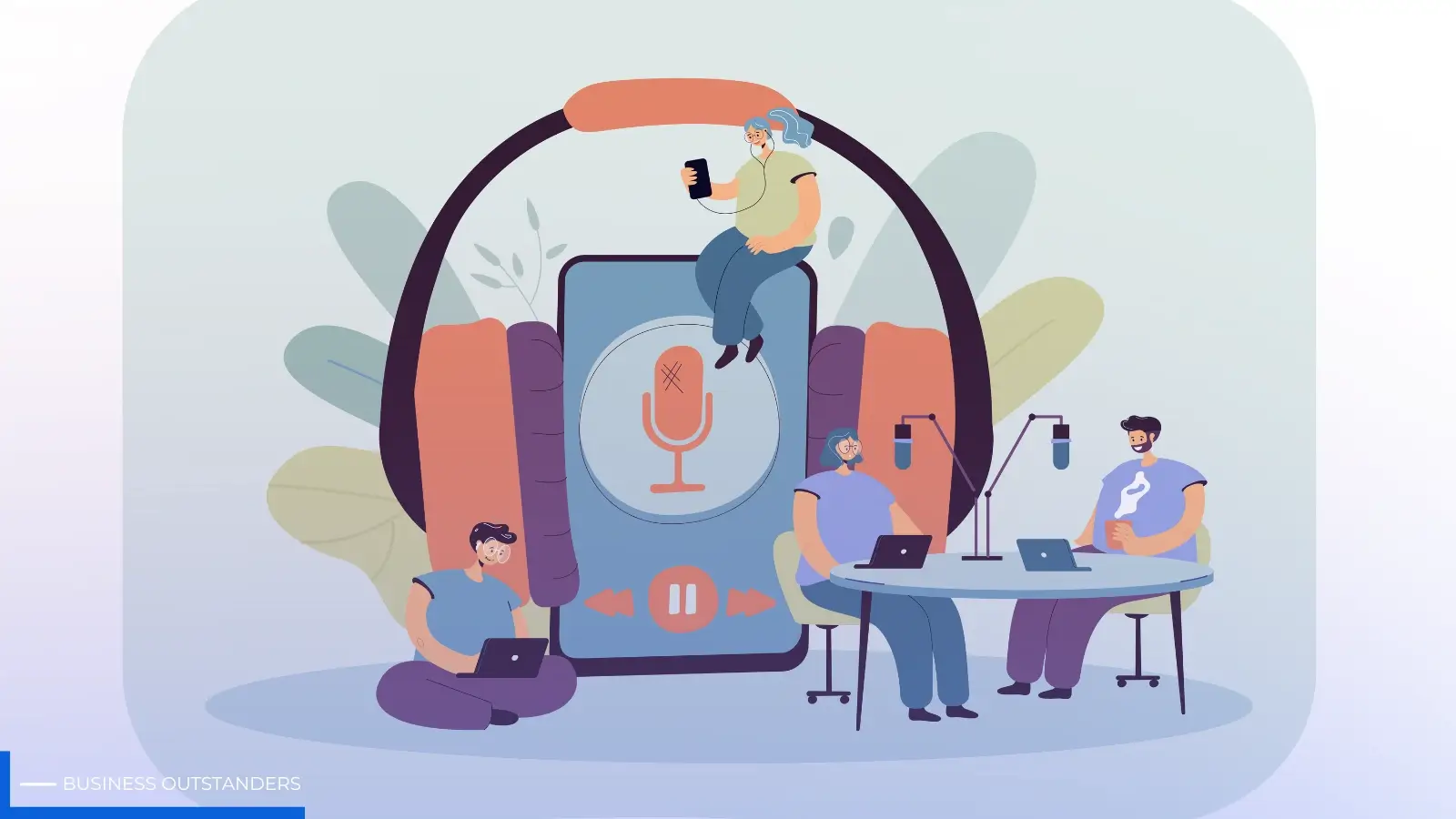
This matters beyond hobby use. Video editors need background tracks. Podcast teams need intros and transitions. Independent artists sometimes need demos, references, or alternate arrangements quickly. Content creators often need music that feels custom enough for a specific project but does not justify a full traditional production cycle. A browser-based system that accepts descriptions, lyrics, and stylistic intent reduces that friction in a way that feels operationally useful rather than merely impressive.
What Makes This Workflow Practically Useful
The most important thing to understand is that this kind of platform is not only about replacing musicianship. It is also about compressing early-stage creative work. A user does not have to solve every musical detail in advance. The system can translate a direction into a structured output with melody, rhythm, instrumentation, and in some cases vocals.
That changes the threshold for starting. Instead of opening a digital audio workstation and arranging from silence, the user begins with intent. The platform’s interface suggests this clearly: title, style description, genre, mood, voice direction, tempo, lyrics, instrumental option, and simple or custom control paths. That layout tells you the product is designed around guided specification rather than deep timeline editing.
Where Speed Changes Creative Behavior
When a tool generates quickly, users behave differently. They test more ideas. They compare outcomes. They become less attached to the first version and more interested in directional quality. In my testing of similar systems, this is often where value appears: not in a perfect first result, but in the ability to explore multiple plausible interpretations without major setup cost.
A fast generation cycle encourages iteration in a healthy way. A creator can try one version with clearer vocals, another with a different genre bias, and another with instrumental-only output. That does not eliminate judgment. It actually makes judgment more central.
Why Text Input Matters More Than It Seems
Text-based control lowers the barrier for non-musicians. Someone may not know chord progressions, arrangement logic, or production terminology in a technical sense, but they often know the emotional and stylistic outcome they want. Describing mood, genre, energy, and use case is easier than building a full track manually.
That is why text-to-music systems have strong appeal. They map ordinary creative language onto musical structure. The result may not always be exact, but the pathway is accessible.
A Prompt Is Not Just a Command
A useful prompt is really a compressed brief. It can include emotional tone, pacing, instrumentation bias, vocal style, and intended context. For example, a user asking for an upbeat background song for short-form video is giving the system more than a genre. They are defining function.
The more specific the intent, the more coherent the output tends to feel. That does not guarantee excellence, but it often improves alignment.
How The Official Creation Flow Works
Based on the visible AI Song Maker workflow on the site, the core process is deliberately short and easy to understand.
Step One Defines Musical Direction
The first step is to describe the music vision. The platform prompts the user to specify style, mood, and genre. It also supports adding lyrics, selecting instrumental output, and choosing between simpler or more customizable modes. This step is important because the system is clearly built to interpret human intention from descriptive language rather than from technical production files.
Step Two Generates The Musical Composition
After the user enters the direction, the platform processes the request and generates a composition. The product positions this as an AI music generation stage that creates melodies, harmonies, rhythms, and overall arrangement based on the supplied specifications. From a user experience perspective, this is the moment where abstract taste becomes something concrete enough to evaluate.
Step Three Exports And Extends Output
The final visible step is to download and use the creation. The site indicates MP3 export and presents the result as suitable for sharing, videos, and broader content use. Beyond the main generation path, the platform also exposes adjacent tools such as lyrics generation, text or lyrics to music conversion, vocal removal, stem-related functions, format conversion, and song extension. That matters because it turns the experience from a one-off generator into a broader utility layer around music creation.
How The Broader Toolset Changes Value
A single music generator can be useful. A small ecosystem around it is usually more useful.
|
Capability |
What It Helps With |
Why It Matters |
|
Text-guided music generation |
Turning ideas into songs quickly |
Lowers the starting barrier |
|
Lyrics generation |
Drafting words before composition |
Helps users who have mood but not lines |
|
Lyrics to music conversion |
Converting written text into songs |
Useful for creators with existing lyrics |
|
Instrumental option |
Removing vocal dependency |
Better for background use cases |
|
Vocal removal |
Isolating instrumentals from tracks |
Helpful for remix or karaoke-style workflows |
|
Format conversion |
Preparing output for other tools |
Improves practical portability |
|
Song extension |
Building longer versions or variations |
Supports iteration without starting over |
What stands out here is not that every feature is rare in isolation. It is that the platform places them close to the main generation flow. In practical use, convenience matters. A creator often does not want five separate tools for drafting lyrics, generating a song, extracting vocals, and extending a track.
This Is Better Understood As A Drafting Studio
In my view, the most accurate way to frame the product is not as a replacement for the entire music industry, but as a drafting studio for creators who need speed, accessibility, and enough output quality to move work forward. That is a much more grounded claim, and it is also more believable.
Draft Quality Can Still Be High Value
A draft does not need to be final to be valuable. A songwriter may use it to test a mood. A brand team may use it to evaluate tone before commissioning something custom. A video creator may decide the generated track is already sufficient for the intended format. The same output can serve different levels of completion depending on the project.
Who Gains The Most From This Kind Of Platform
The obvious audience is content creators, but the practical user base is wider than that.
Creators Working Under Time Pressure
Short-form video editors, social media teams, and podcast producers often need music that feels tailored without adding a large production timeline. A fast browser-based workflow can be enough when the goal is speed and relevance.
Independent Musicians Exploring Variations
Artists can use generated tracks as idea engines. That might mean testing genre shifts, checking how lyrics feel against different arrangements, or building demo references more quickly. Even when the result is not final, it can reveal a direction worth pursuing.
Teams That Need Functional Original Music
Small businesses, app teams, game prototypes, and marketing departments often need original-sounding music for internal or public assets. In those contexts, speed, licensing clarity, and repeatability can matter more than perfection.
Where The Limits Still Matter
A credible evaluation should also acknowledge where friction remains.
Prompt Quality Still Shapes Outcome
These systems are easier to use than traditional production tools, but they are not mind readers. Weak prompts usually produce generic results. The platform may simplify creation, yet intention still needs to be communicated clearly.
Some Results Need Multiple Attempts
This is normal. A first generation may capture the right genre but not the right emotional weight. Another may have a stronger arrangement but less convincing pacing. In many real workflows, usefulness comes from comparing a few versions rather than expecting immediate perfection.
Control Is Guided, Not Absolute
This style of product offers direction more than fine-grained manual editing. That is a strength for accessibility, but it also means advanced users may still want deeper production tools elsewhere when exact structural control is necessary.
Convenience Does Not Erase Taste
The easier generation becomes, the more important selection becomes. Users still need to know what fits their project, what sounds generic, and what deserves another iteration.
Why This Model Of Music Creation Will Matter
The larger significance here is not just automation. It is creative compression. Tools like this reduce the distance between concept and audible result. That makes music creation more available to people who think musically but do not work like traditional producers.
In practical terms, that means more experiments, more drafts, faster validation, and more opportunities to discover useful outputs before budget or complexity kills the idea. Not every generated song will be memorable. Not every result will feel fully polished. But the underlying shift is still meaningful. A creator can move from description to sound with very little setup, and that alone changes who gets to participate in music making.
For anyone trying to understand the appeal of AI music platforms, that is the key point. The value is not only in what they generate. It is in how they change the cost, speed, and confidence of starting.
Business Outstanders brings you sharp insights on tech, business, entrepreneurship, law, crypto, and more. We uncover what’s next. Stay updated, sign up for our newsletter and be part of the future!