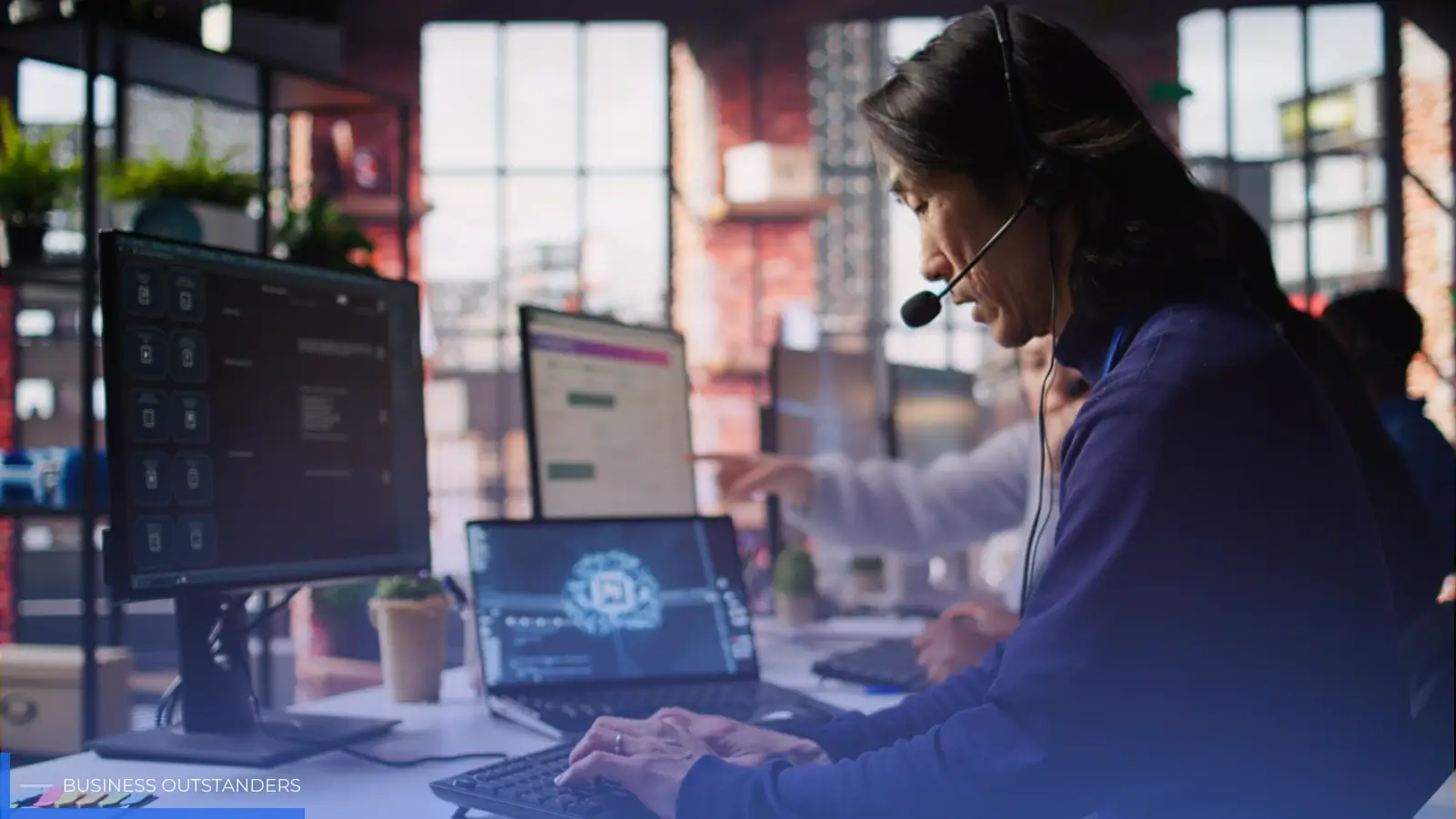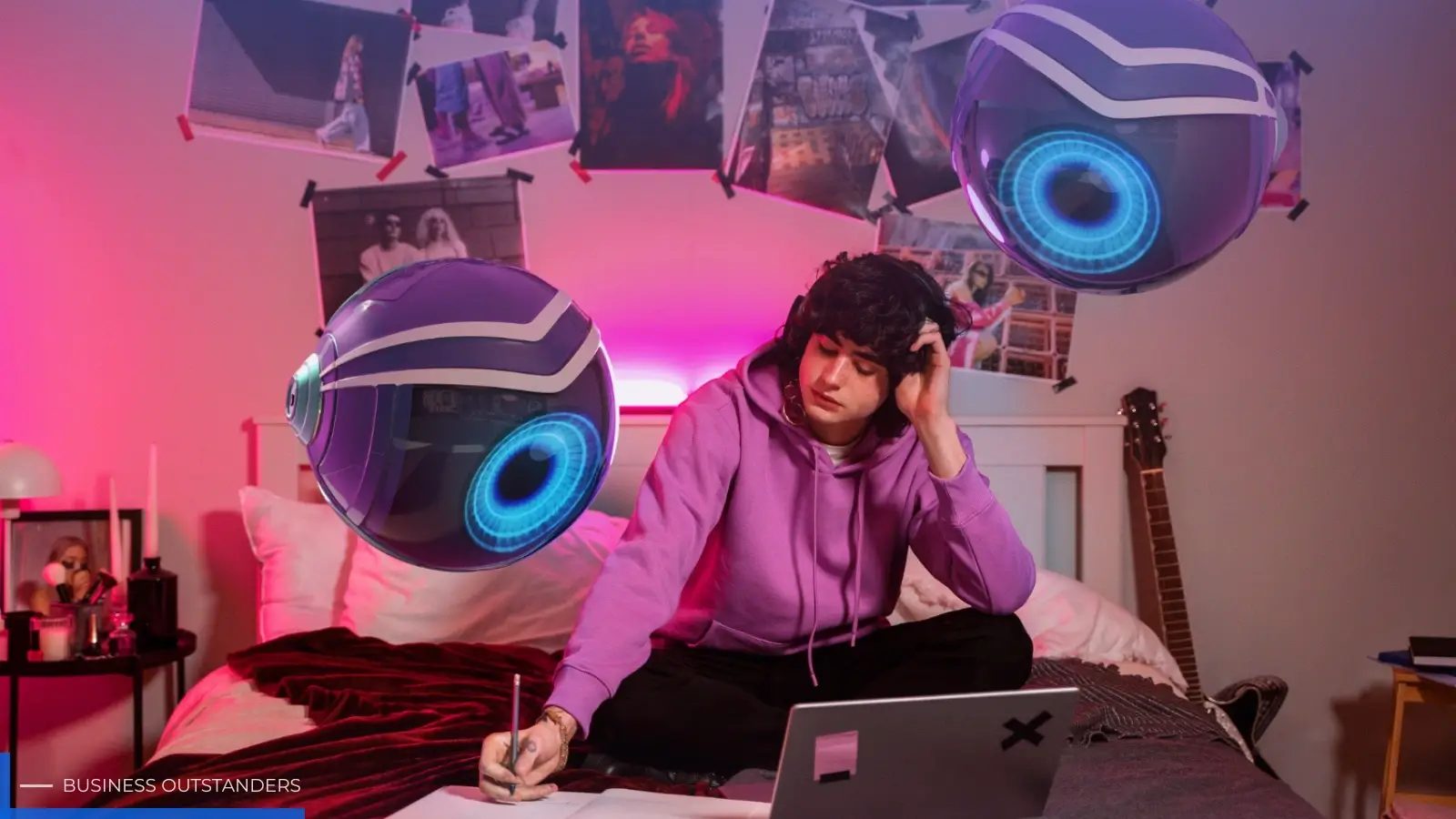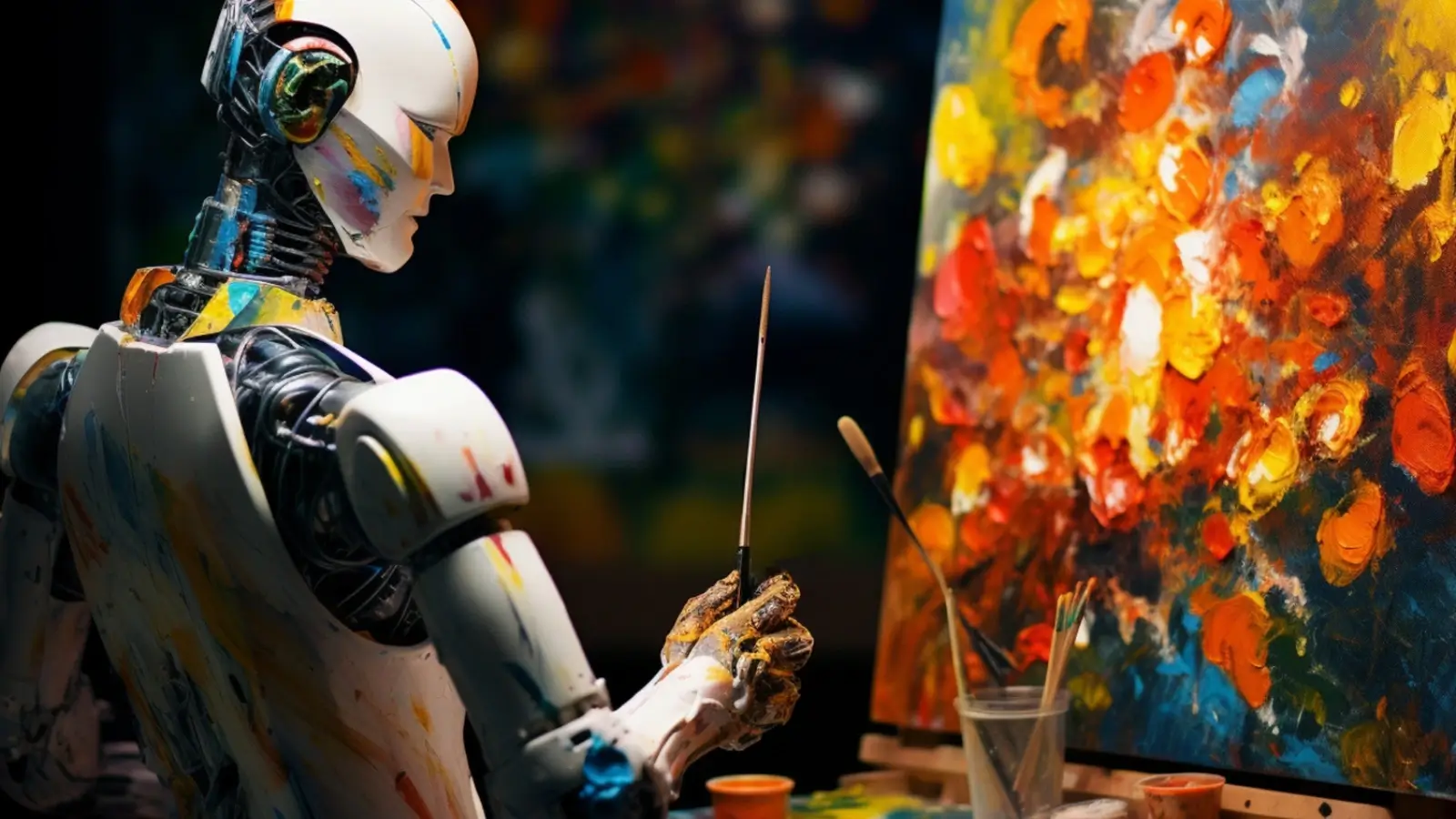
Artificial intelligence is no longer a background technology quietly supporting creative work. In 2026, AI has become an active collaborator, shaping how art is made, how stories are told, and how ideas reach audiences. From music and film to design, gaming, advertising, and publishing, creative industries are experiencing one of the most significant transformations in their history.
Rather than replacing human creativity, AI is redefining it. The relationship between artists and technology is evolving into a partnership where machines handle speed and scale, while humans provide vision, emotion, and meaning. Understanding how AI is changing creative industries in 2026 means exploring not just new tools, but a new creative mindset.
The Rise of AI as a Creative Partner
In the past, creative software functioned mainly as a tool that responded to direct human input. Today, AI systems can generate images, compose music, write scripts, design layouts, and edit videos with minimal prompting. This shift has turned AI into something closer to a collaborator than a simple instrument.
Creators now begin projects by conversing with AI, exploring ideas, styles, and variations before refining the final output themselves—often using AI art generators to rapidly visualize concepts and directions. This process accelerates brainstorming and allows artists to experiment more freely than ever before. This process accelerates brainstorming and allows artists to experiment more freely than ever before. Instead of staring at a blank canvas, creators start with a stream of possibilities.
AI’s growing role has lowered the barrier to entry for many creative fields. Individuals without formal training in design or music can now produce professional-quality work, opening the doors for new voices and perspectives.
How AI Is Transforming Visual Art and Design
In 2026, AI-powered visual art, image generation and design platforms are widely used across industries. Graphic designers rely on AI to create concept art, logos, brand visuals, and marketing assets in a fraction of the time it once took.
What makes this transformation significant is not just speed, but personalization. AI can analyze brand guidelines, audience preferences, and market trends to generate visuals that align with specific goals. Designers then refine and humanize these outputs, ensuring the final result carries emotional depth and originality.
Digital artists are also using AI to explore entirely new styles that blend classical techniques with futuristic aesthetics. This fusion is giving rise to new art movements that could not exist without machine collaboration.
Music Creation in the Age of Artificial Intelligence
Music production has undergone a dramatic shift. AI tools can now generate melodies, harmonies, beats, and even full compositions based on a desired mood or genre. In 2026, many musicians use AI as a starting point, shaping raw ideas into polished tracks.
This approach allows artists to focus more on storytelling, performance, and emotional expression. Instead of spending hours on technical composition, creators can concentrate on crafting a unique sound and identity.
AI is also personalizing music experiences for listeners. Platforms can generate custom soundtracks based on individual preferences, activities, or emotional states, blurring the line between creator and consumer.
Film, Video, and Virtual Production
AI has become deeply embedded in filmmaking and video production workflows. Script analysis tools help writers identify plot gaps and pacing issues. AI-driven editing software automatically assembles rough cuts, suggests transitions, and enhances visual effects.
Virtual production, powered by AI and real-time rendering, allows filmmakers to create immersive environments without expensive physical sets. Independent creators can now produce cinematic-quality content that was once only possible for large studios.
In 2026, storytelling is becoming more interactive as well. AI enables branching narratives and personalized viewing experiences, where stories adapt based on audience choices.
Writing, Publishing, and Content Creation
AI writing assistants are now standard across journalism, marketing, and publishing. They help generate drafts, refine tone, optimize readability, and ensure factual consistency.
Rather than eliminating writers, AI is shifting their role. Writers increasingly function as editors, strategists, and storytellers who guide AI-generated content toward clarity and authenticity.
This collaboration has increased content output while also raising expectations for quality. Audiences now value depth, insight, and originality more than sheer volume, pushing creators to focus on meaningful narratives.
Gaming and Interactive Storytelling
The gaming industry has embraced AI to create more dynamic and immersive experiences. Non-player characters can now respond intelligently to player behavior, creating conversations and story arcs that feel natural and unscripted.
Game worlds in 2026 are evolving in real time, shaped by player decisions and AI-generated events. This level of interactivity is transforming games into living narratives rather than fixed experiences.
For developers, AI reduces the workload of building massive environments and complex storylines, allowing teams to focus on innovation and emotional impact.
The Changing Role of Human Creativity
One of the biggest misconceptions about AI in creative industries is that it replaces human imagination. In reality, AI amplifies it.
Human creativity is still responsible for setting direction, defining meaning, and making aesthetic judgments. AI provides speed, scale, and endless variation, but it cannot replicate lived experience, cultural context, or emotional intuition.
In 2026, the most successful creators are those who understand how to combine human insight with machine capability. Creativity is becoming less about technical execution and more about vision and storytelling.
Ethical Questions and Creative Ownership
As AI-generated content becomes more common, questions about authorship, originality, and intellectual property are growing. Who owns a piece of art created with the help of AI? How should creators be credited?
Industries are beginning to establish guidelines and legal frameworks to address these challenges. Transparency about how AI is used in creative work is becoming an important part of building trust with audiences.
Ethical use of training data is also a major concern, pushing companies to develop more responsible AI systems.
Why AI’s Impact on Creativity Matters
The transformation of creative industries is not just a technological shift; it is a cultural one. AI is reshaping how stories are told, how art is experienced, and who gets to participate in the creative economy.
In 2026, creativity is more accessible, more collaborative, and more global than ever before. People from different backgrounds can express themselves without needing expensive tools or years of formal training.
This democratization of creativity has the potential to unlock a wave of innovation that redefines art, entertainment, and culture.
Final Thoughts
AI is not the end of human creativity. It is the beginning of a new creative era.
By removing technical barriers and accelerating experimentation, AI allows creators to focus on what matters most: imagination, emotion, and meaning. The future of creative industries in 2026 belongs to those who see AI not as a threat, but as a powerful partner in bringing ideas to life.
Business Outstanders brings you sharp insights on tech, business, entrepreneurship, law, crypto, and more. We uncover what’s next. Stay updated, sign up for our newsletter and be part of the future!