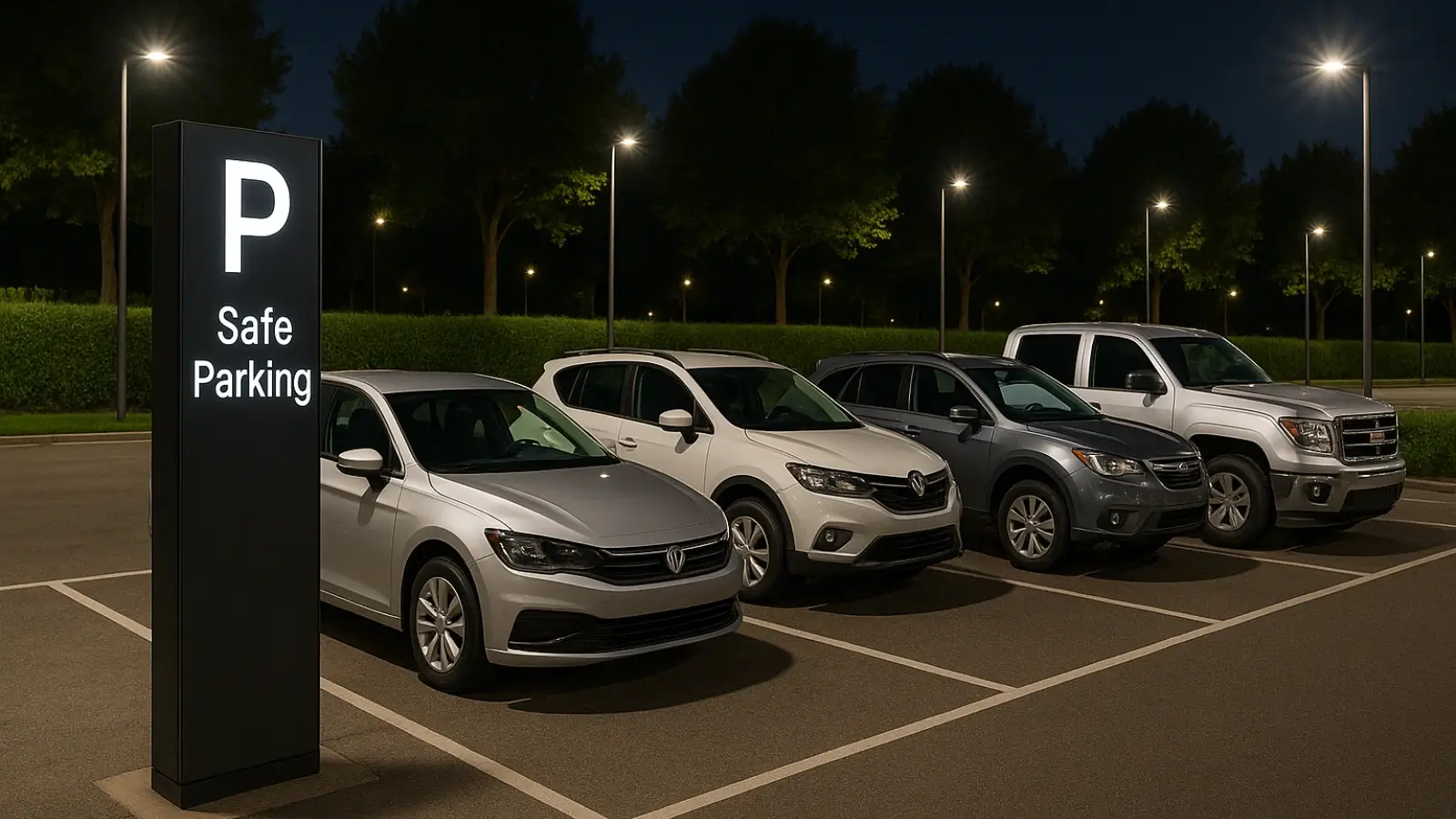
Introduction: Understanding the Need for Reliable Overnight Parking
The need for reliable overnight parking continues to grow as travel, transportation, logistics, and urban mobility expand across multiple industries. Individuals on long-distance trips, commercial drivers, business travelers, recreational vehicle users, and everyday commuters often require places to park safely for extended periods. Unlike quick stops or temporary parking, overnight stays demand strategic planning to ensure safety, compliance, convenience, and peace of mind. As more people rely on personal vehicles for mobility and professionals spend long hours on the road, long-term parking solutions have become essential. A well-designed overnight option must consider security, accessibility, comfort, and local guidelines to prevent unnecessary risks or complications. With the right approach, overnight stops can be stress-free, efficient, and aligned with practical travel needs.
Why Overnight Parking Is a Growing Concern
Modern transportation infrastructure is experiencing increasing pressure due to rising travel demands, expanding e-commerce, and growing freight movement. More vehicles on the road naturally lead to higher demand for reliable spaces where drivers can rest or temporarily leave their vehicles. Many traditional parking areas, such as small lots or street parking zones, fail to accommodate long-term stays, either due to restrictions or limited capacity. This gap forces individuals to search extensively for suitable spaces, often wasting time, fuel, and energy. For those traveling through unfamiliar regions or managing tight schedules, the lack of dependable overnight options becomes not only a logistical challenge but also a safety concern. As mobility evolves, infrastructure must adapt to provide structured and secure alternatives for those requiring extended-duration parking.
Key Factors to Consider When Choosing Overnight Parking
Choosing where to leave a vehicle overnight should never be a random decision. Multiple factors play essential roles in determining whether a parking location is safe, reliable, and suitable. Security is one of the most important considerations, as unattended vehicles are more vulnerable to theft, vandalism, or damage. Lighting, surveillance systems, visible signage, and monitored areas can significantly reduce the risk of incidents. Convenience is another vital factor. Drivers need accessible spots that allow easy entry and exit without navigating complex routes or unsafe conditions. Clear markings, wide lanes, and organized layouts contribute to a smooth experience. Additional considerations include proximity to amenities, cleanliness, enforcement policies, and the overall condition of the parking environment. Evaluating these factors ensures peace of mind and reduces the likelihood of unexpected issues during long stays.
Safety and Security Considerations for Overnight Stays
Safety should always be the top priority when selecting an area to leave a vehicle for an extended period. Adequate lighting helps deter criminal activity and improves visibility for drivers arriving late at night. Security cameras, gated entrances, and controlled access systems strengthen the facility’s ability to monitor activity and protect parked vehicles. In some cases, staffed security personnel or periodic patrols add an extra layer of protection. Well-marked emergency stations, fire extinguishers, and clearly identified exits contribute to overall safety. Drivers should avoid dark, isolated areas or locations that show signs of neglect, such as broken lighting, littered grounds, or damaged fencing. Choosing secure environments reduces the risk of unwanted incidents and ensures a comfortable stay without unnecessary stress.
Amenities That Improve Overnight Parking Experiences
Modern travelers and commercial drivers often look for more than simple parking spaces; they seek supportive amenities that enhance comfort and convenience. Clean restrooms, well-maintained seating areas, and accessible water sources significantly improve the quality of an overnight stay. Facilities with food options, convenience stores, or fuel stations reduce the need to travel elsewhere during rest periods. For long-haul drivers, shower facilities, laundry machines, and lounge areas provide essential relief after long hours of work. Charging stations for electric vehicles are becoming increasingly important as more people adopt sustainable transportation. Strong mobile connectivity, Wi-Fi availability, and designated rest zones contribute to a more pleasant experience, especially for those spending extended hours inside the vehicle. Amenities transform basic overnight spaces into comfortable, welcoming environments that support restful breaks.
Planning and Preparation for Overnight Parking
Preparation plays a significant role in ensuring a smooth overnight stay. Drivers should research facility guidelines, operating hours, and restrictions before arrival. Some areas require reservations or have limited availability during peak times. Reviewing policies prevents unexpected complications, such as receiving fines or being asked to relocate at inconvenient hours. Maintaining vehicle documentation, emergency supplies, chargers, and appropriate lighting systems is essential for long stays. Drivers should also inspect surrounding areas upon arrival to assess safety and cleanliness. Being proactive helps minimize risks and ensures that the overnight stop is both secure and comfortable. Whether traveling for personal reasons or managing commercial routes, effective planning ensures a trouble-free experience.
Challenges Associated with Overnight Parking
Despite the growing need, availability of reliable overnight options remains limited in many areas. Restrictions may prohibit long-duration parking in residential zones, commercial districts, or busy streets. Many lots impose time limits or restrict overnight access due to safety concerns, maintenance schedules, or local regulations. Additionally, overcrowded lots can create frustration for drivers arriving late at night. Weather conditions may also present challenges, especially during extreme temperatures, heavy rain, or snow. Maintenance issues, such as potholes, poor lighting, or unclean surroundings, further complicate the situation. Addressing these challenges requires thoughtful planning, early research, and an understanding of local guidelines. Awareness of potential obstacles allows drivers to prepare alternatives and ensure that they always have a secure place to stay.
Rules and Legal Considerations for Overnight Parking
Legal considerations vary depending on the type of property, local regulations, and the duration of the stay. Some places strictly enforce restrictions to prevent congestion, unauthorized usage, or safety concerns. Drivers must be aware of signage, posted limits, and enforcement rules to avoid fines or towing. Public lots may have specific hours of operation, while private facilities may allow extended stays only with prior arrangements. It is also important to understand the distinction between permitted rest stops and areas designated solely for short-term use. Following the rules ensures a smooth experience and prevents legal complications. Compliance with policies protects both the vehicle and the driver from unnecessary disputes or penalties.
The Role of Technology in Finding Safe Overnight Parking
Technology has transformed how drivers locate suitable places for extended stays. Mobile apps, digital booking platforms, GPS systems, and real-time availability trackers help travelers plan efficiently. These tools allow users to search for nearby parking, compare security features, check reviews, and confirm availability before arrival. Online reservations provide guaranteed spaces, reducing uncertainty and stress during long trips. Many platforms also offer digital payment options, contactless check-ins, and automated gate access for enhanced convenience. Technology empowers drivers to make informed decisions quickly, improving safety and overall travel efficiency.
Environmental Considerations in Parking Development
Sustainable development plays an increasingly important role in planning long-term parking facilities. Eco-friendly designs incorporate solar lighting, energy-efficient equipment, and permeable pavement that reduces runoff. Facilities can integrate green landscaping, proper waste disposal systems, and environmentally safe drainage to minimize environmental impact. Electric vehicle charging stations support the growing shift toward cleaner transportation. Incorporating these sustainable elements enhances the long-term value of parking areas, aligns with environmental standards, and contributes to healthier surroundings.
Conclusion: The Long-Term Value of Safe and Reliable Parking Options
As travel demands continue to rise, dependable solutions for overnight parking have become essential for both personal and commercial needs. Secure, well-maintained, and accessible spaces offer peace of mind, improved safety, and enhanced comfort for drivers who spend long hours on the road. Modern facilities that integrate security systems, supportive amenities, and sustainable features contribute to better travel experiences and smoother logistics operations. By planning ahead, evaluating safety factors, and understanding legal guidelines, drivers can ensure that each stay is efficient and stress-free. High-quality overnight parking options will remain crucial components of transportation infrastructure, supporting mobility, safety, and convenience for travelers of all kinds. With growing reliance on structured parking solutions, investing in secure and well-designed overnight parking continues to be a valuable strategy that benefits drivers, businesses, and communities alike.
Business Outstanders brings you sharp insights on tech, business, entrepreneurship, law, crypto, and more. We uncover what’s next. Stay updated, sign up for our newsletter and be part of the future!