Key Takeaways
- Pickleball is one of the fastest-growing recreational sports in North America, with tens of millions of active players across the U.S. and Canada
- American and Canadian guests, the core traveler base for many Mexican resorts, are already playing at home and looking for courts when they travel
- A standard tennis court can typically be converted into two to four pickleball courts at a fraction of new-construction costs
- Equipment quality directly affects guest satisfaction; cheap paddles and sagging nets get noticed and reviewed
- Early adoption gives Mexican resort properties a real competitive edge while the amenity is still relatively uncommon at travel destinations
- Programming like beginner clinics, social mixers, and informal tournaments turns a court into a guest experience that people actually talk about
Pickleball isn't trending anymore. It's arrived.
What started as a backyard game a few decades ago has grown into one of the most-played recreational sports in the United States, with participation numbers that continue to rise each year according to the Sports & Fitness Industry Association. And those players don't stop thinking about pickleball the moment they board a flight to Cancun or Los Cabos. If anything, finding a court at a resort becomes part of what makes a trip feel well-planned.
If you own or manage a resort in Mexico that draws heavily from North American travelers, the question of whether to add pickleball courts deserves a real answer, not a vague "we'll look into it." This post breaks down what you actually need to know before making that decision.
Why This Sport Works So Well in a Resort Context
Tennis has always been a resort staple, but it's not the easiest amenity to actually use. You need a decent level of skill to have fun, and for casual vacationers, showing up to a court and struggling to rally for 20 minutes isn't the kind of memory that drives repeat bookings.
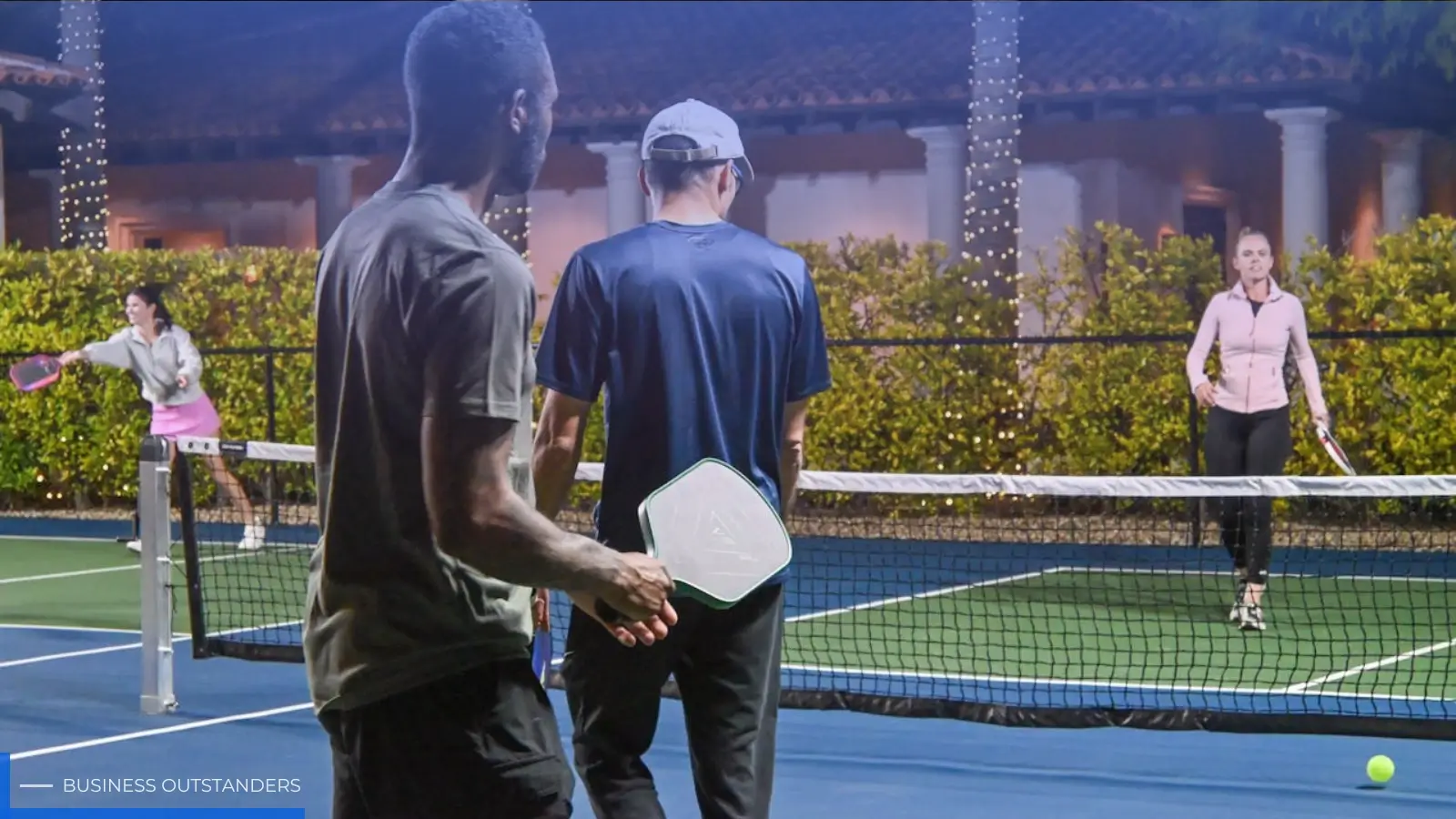
Pickleball is genuinely different. Most first-time players can hold a rally within 15 minutes. The court is smaller, the ball moves slower, and the paddle is easier to control than a full tennis racket. That low barrier to entry is exactly what makes it work so well in a resort environment where guests want to feel active and social, not athletic or competitive.
It's also multigenerational in a way that few sports are. Parents in their 50s, adult kids in their 30s, and teenagers can all play together without a massive skill gap ruining the experience. For families and travel groups, that matters a lot.
Who's Actually Asking for Pickleball at Mexican Resorts
Think about your primary guest demographics for a moment. If a significant share of your bookings comes from the U.S. or Canada, there's a good chance a meaningful percentage of those guests already play or have at least tried pickleball.
SFIA data has consistently shown that adults aged 50 and older are one of the sport's fastest-growing participant groups. That demographic lines up almost exactly with the winter traveler and snowbird segment that drives revenue at many Mexican resort destinations during their highest-occupancy months. These guests are active, they plan their trips around what they'll do, and they check amenity lists before booking. Many of them also arrive equipped with purpose-built men's pickleball apparel, moisture-wicking polos, stretch shorts, and court shoes designed for lateral movement, reflecting how seriously the recreational playing community now takes both performance and style.
Families are showing up to courts too. Parents who play want something their kids can join in on without needing a lesson first.
And here's something resorts often overlook: guests who play at home and can't find a court on property will say so in their reviews.
Converting or Building Courts Is More Practical Than You'd Think
One of the biggest misconceptions about adding pickleball is that it requires a major capital project. It usually doesn't.
A standard pickleball court measures 20 by 44 feet. A single tennis court, which typically runs 60 by 120 feet, can be divided into two full-sized pickleball courts side by side, and sometimes four if the layout allows. If your property has underused or aging tennis courts, you may already have the space you need.
What a conversion typically requires: new court lines (either painted or temporary court tape for flexibility), a net system rated to pickleball height (34 inches at center), and a stocked supply of paddles and balls for guest checkout. Permanent striping and fixed nets look and play better than temporary setups, but even a well-executed temporary conversion beats nothing if the equipment is solid.
For properties building from scratch, a single dedicated pickleball court with a poured concrete or acrylic surface generally costs significantly less than a full tennis court build. Construction costs in Mexico also tend to run below equivalent U.S. projects, which improves the return on that investment.
Equipment Quality Has a Real Impact on Guest Experience
Here's where a lot of resorts quietly get it wrong.
They spend on the court and then buy the cheapest paddles they can find in bulk. Guests end up with warped edges, inconsistent bounce, and nets that sag by the end of week one. That experience gets remembered. Sometimes it gets written about.
The paddles and nets you stock aren't just logistical details. They're part of the guest experience. Carbon fiber paddle faces hold up far better to heavy resort rotation than fiberglass or low-grade composite options, especially in humid coastal climates where cheaper materials degrade faster. Brands that design and test their products carefully tend to produce gear that lasts through hundreds of guest sessions before needing replacement.
PicklePro Shop, a U.S.-based pickleball brand that designs, assembles, and quality-controls every product at its Florida facility, is a good example of a company that takes construction standards seriously. Their paddles use T700 carbon fiber faces and thermoformed unibody frames built for durability and consistent play, which matters when gear is being handled by dozens of different guests every week.
Stocking a range of paddle weights (generally 7.5 to 8.5 ounces) and grip sizes helps accommodate different hand sizes and experience levels. And having enough balls to rotate through without running low keeps the courts running smoothly during busy stretches.
Programming Turns a Court Into a Feature Guests Actually Remember
Courts without programming are just painted lines on the ground.
A few programming approaches tend to drive real engagement at resort properties:
- Beginner clinics in the morning are easy to run and high-value for guests. A 30-minute intro session before the heat peaks gets people on the court who might otherwise skip it. You don't need a certified pro to lead these. A staff member who plays reasonably well and understands the basic rules can handle it.
- Round-robin tournaments create daily energy around the courts. Even informal brackets give guests a reason to come back each afternoon. They talk about it at dinner. It becomes a shared story.
- Social mixers work especially well at all-inclusive properties. Mixed doubles rounds with guests from different countries create the kind of organic community moment that earns genuine five-star reviews.
- Paddle and ball rental packages can also serve as a small revenue line for guests who want a more dedicated session during a longer stay.
The goal is to make the courts feel like a hub, not an afterthought.
Practical Concerns Worth Working Through Before You Build
Noise comes up in almost every conversation about adding pickleball. It's a legitimate concern. The combination of a hard paddle and a perforated plastic ball produces a sharp popping sound that travels, especially in open-air resort environments. Resorts that have added courts near sleeping areas or quiet pool decks in the U.S. have faced complaints from guests and neighbors alike.
Site planning resolves most of this. Position courts away from room blocks, spa areas, and quiet lounges. Sound-absorbing fencing, natural plantings, or solid barriers can reduce noise impact without requiring a structural redesign. The key is addressing placement before construction, not after.
Liability is generally manageable. Standard sports activity waivers used for pools and tennis typically extend to pickleball as well, but verifying that with your insurer or legal team before opening courts to guests is the right call.
Maintenance is predictable and modest. Acrylic court surfaces need periodic cleaning and occasional resurfacing. Nets need adjustment and eventual replacement. Paddles crack over time and need rotating out. Balls wear down. None of this is expensive or complex if it's accounted for in the annual amenity budget from the start.
So Is It Worth Adding to Your Property?
For most Mexican resorts catering to North American travelers, the answer is yes. The capital outlay is low relative to other amenity investments, the demand is real and growing, and the window to gain a competitive edge by offering something guests aren't finding everywhere yet is still open.
But it isn't the right fit for every property. A small luxury retreat focused on quiet, private spa experiences probably doesn't benefit from adding sport courts near its core guest areas. A family all-inclusive, an active lifestyle resort, or a larger hotel with underused recreation infrastructure? It's a strong fit.
Understanding what sets PicklePro Shop's bulk supply program apart from generic equipment suppliers is one useful starting point when you're thinking through how to outfit courts properly. Not all pickleball gear is built to the same standard, and the gap shows quickly under daily resort use.
The resorts that move on this now are the ones that get to market it as a feature. The ones that wait will be adding it because every other property already has it.
Frequently Asked Questions
How many pickleball courts does a resort need?
A smaller boutique property with 50 to 100 rooms can typically start with one or two courts. Larger all-inclusive resorts with 300 or more rooms may want three to four courts to avoid meaningful wait times during peak morning and afternoon hours. Starting with fewer courts and expanding based on actual demand is a reasonable approach.
Can a tennis court really be converted to pickleball courts?
Yes, in most cases. A standard tennis court (60 by 120 feet) can accommodate two to four pickleball courts depending on orientation and local dimensions. You'll need to add pickleball court lines, adjust or replace nets to reach the correct height of 34 inches at center, and optionally add windscreens or barriers. Permanent striping delivers a better experience than temporary tape but both are functional options for a first-season launch.
What type of paddles should resorts stock for guest use?
Paddles with carbon fiber faces and thermoformed frames hold up best to heavy, frequent use by guests with varying skill levels. Avoid very lightweight paddles or those with thin cores that are prone to cracking. A midweight paddle in the 7.5 to 8.5 ounce range tends to work well across a broad range of casual players. Buying from brands that quality-control their products carefully reduces replacement costs over time.
Is pickleball popular with older travelers specifically?
Yes, and significantly so. U.S. sports participation surveys have repeatedly identified adults aged 50 and older as one of pickleball's fastest-growing segments. That age group also represents a substantial portion of the winter and snowbird traveler base at Mexican resort destinations, making the audience alignment strong for properties in that market.
How much does it cost to outfit a pickleball setup at a resort?
A basic setup with a portable net, 8 to 10 paddles, and a full case of balls can come together for a few hundred dollars. Higher-quality permanent nets, an expanded paddle inventory, and court resurfacing push the budget to a few thousand per court depending on scope. Either way, the investment is modest compared to most other resort amenity upgrades like pool renovations or fitness center overhauls.
Do resorts need a professional pickleball instructor to run programming?
Not to get started. A staff member who plays the sport and knows the rules can lead beginner sessions, manage round-robins, and facilitate casual open play. If demand grows and guests start asking for structured coaching, bringing in a certified instructor for a few sessions per week is a natural next step. Many U.S. resorts that now run robust pickleball programs started with a staff-led model.
What are the biggest site planning mistakes resorts make when adding courts?
Placing courts too close to quiet guest areas is the most common issue, because of the noise the sport generates. Other common mistakes include buying undersized or low-quality nets that need early replacement, failing to provide shade or seating near courts, and not accounting for maintenance costs in the initial budget. Addressing all of these in the planning phase, before construction starts, avoids most of the friction that comes up later.
Business Outstanders brings you sharp insights on tech, business, entrepreneurship, law, crypto, and more. We uncover what’s next. Stay updated, sign up for our newsletter and be part of the future!