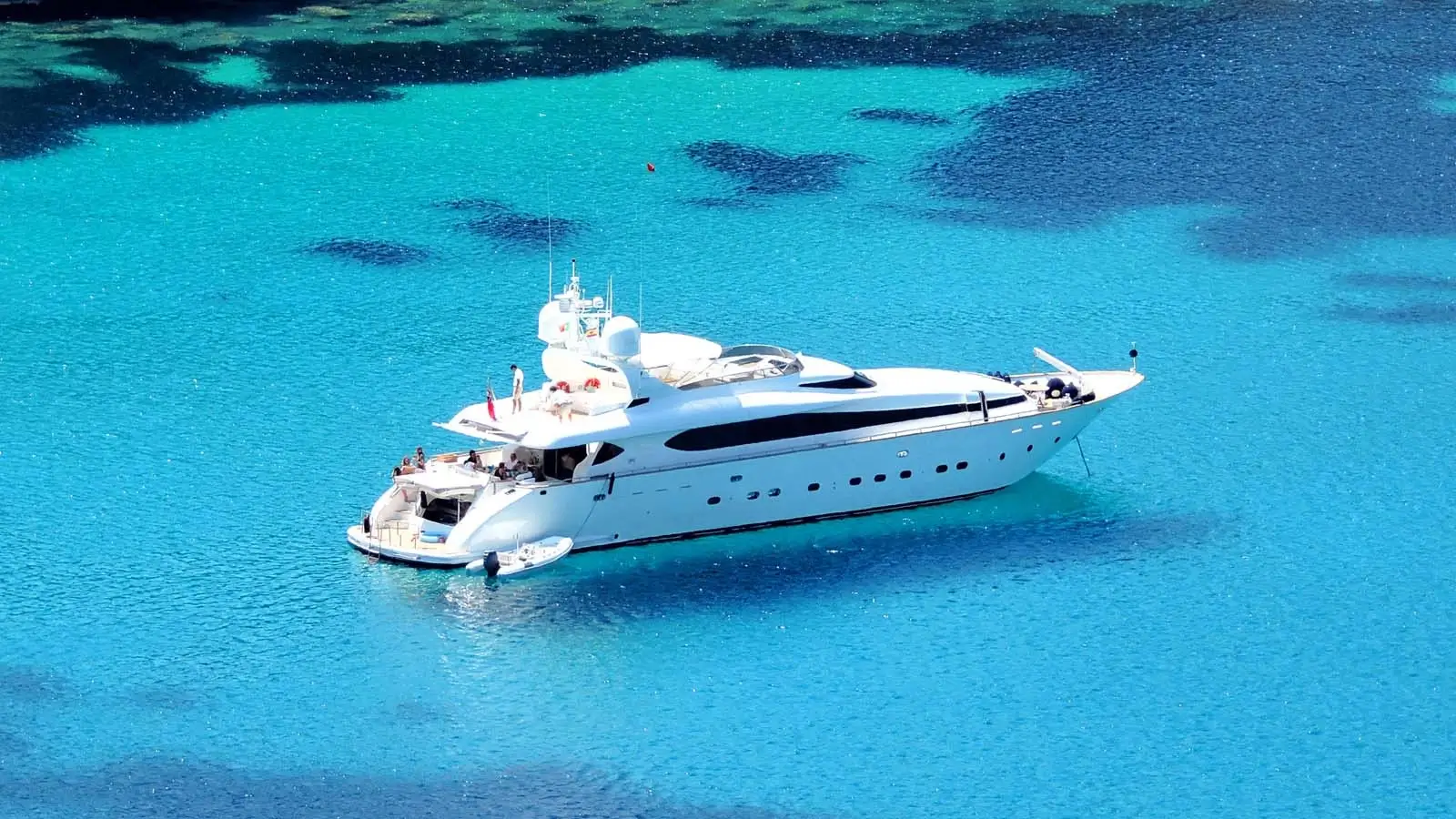
Crew retention is vital in maritime operations. Shipowners must balance pay, welfare, leadership, and career growth. Strong strategies improve satisfaction, reduce turnover, cut costs, and enhance vessel performance.
The maritime industry relies heavily on skilled seafarers to keep global trade moving. However, crew retention remains one of the biggest challenges facing modern shipowners. High turnover rates not only disrupt operations but also increase recruitment costs, training expenses, and compliance risks.
Crew retention strategies refer to the policies, practices, and onboard culture improvements designed to keep seafarers satisfied, motivated, and committed to long-term service with a shipping company. In today’s competitive maritime labor market, retaining experienced crew members is just as important as recruiting them.
Platforms like Martide play a growing role in improving crew management efficiency by helping shipping companies track personnel performance, documentation, and deployment history more effectively.
Why Crew Retention Matters
Crew retention is essential because experienced seafarers are the backbone of safe and efficient vessel operations. A stable crew leads to:
- Better onboard teamwork and communication
- Higher safety standards and fewer accidents
- Improved operational efficiency
- Stronger compliance with international regulations
According to industry insights from the International Maritime Organization, human factors are a leading contributor to maritime incidents, making consistent and experienced crews vital for safe shipping operations.
You can also explore broader workforce dynamics in maritime operations through the International Labour Organization’s maritime labor resources:
https://www.ilo.org/industries-and-sectors/shipping-ports-fisheries-and-inland-waterways-sector/shipping
The True Cost of High Crew Turnover for Shipowners
High crew turnover is expensive and disruptive. When seafarers leave, shipowners face both direct and indirect costs, including:
- Recruitment and onboarding expenses
- Training and certification costs
- Delays in vessel deployment
- Reduced operational efficiency
- Increased risk of onboard errors
Beyond financial costs, frequent crew changes can damage team cohesion and reduce morale onboard. Constantly replacing crew members also places additional pressure on recruitment agencies and manning systems.
In technical maritime sectors, such as vessels requiring specialized materials and components like those discussed in Marine Grade Custom Castings Overview, consistency in skilled personnel is even more critical due to operational complexity.
Crew Retention Strategies for Modern Shipowners
Modern shipowners must adopt a holistic approach to improve retention. Below are the most effective strategies:
1. Competitive and Transparent Compensation
Fair wages remain one of the strongest retention drivers. However, transparency is equally important. Seafarers want clear understanding of salary structures, overtime pay, and contract conditions.
2. Improved Onboard Living Conditions
Living conditions directly impact morale during long voyages. Comfortable accommodation, quality food, internet access, and recreational facilities help reduce stress and isolation.
3. Mental Health and Wellbeing Support
Mental health has become a major focus in maritime operations. Long contracts, isolation, and high responsibility can impact wellbeing. Providing access to counseling, communication tools, and rest periods improves retention significantly.
4. Career Development Pathways
Seafarers are more likely to stay with companies that offer clear progression opportunities. Structured training programs, certifications, and promotion pathways create long-term commitment.
5. Digital Crew Management Systems
Digitalization helps streamline communication, scheduling, and documentation. Platforms like Martide allow shipowners to manage crew data more efficiently and reduce administrative stress on both officers and seafarers.
6. Strong Safety Culture
A safe working environment builds trust and loyalty. Regular safety drills, updated equipment, and strict compliance with maritime regulations ensure crew confidence.
7. Financial Security and Insurance Support
Seafarers value financial protection and stability. Access to reliable insurance coverage and clear risk protection frameworks is essential. Industry discussions on maritime risk management can be explored here.
8. Adoption of Sustainable Maritime Practices
Modern seafarers are increasingly aware of environmental impact. Companies investing in cleaner fuels and green technology improve employer reputation and retention rates. For example, hydrogen-based propulsion systems are shaping the future of shipping:
https://businessoutstanders.com/green-energy/hydrogen-fuel-cells-in-maritime-shipping-clean-propulsion
Case Examples of Successful Crew Retention Strategies
Several shipping companies have successfully improved retention by combining technology, welfare improvements, and leadership training.
One notable approach includes integrating digital crew platforms to streamline communication between ship and shore teams, reducing misunderstandings and administrative delays.
Another example is companies that invest heavily in onboard welfare, including better accommodation standards, fitness facilities, and internet connectivity. These improvements have been shown to significantly reduce early contract termination rates.
Leadership development is also a key factor. Captains and senior officers trained in communication and emotional intelligence tend to retain crew members longer due to better onboard relationships and trust.
Conclusion
Crew retention is no longer just an HR concern in the maritime industry. It is a core operational strategy that directly affects safety, efficiency, and profitability. Modern shipowners must go beyond basic employment contracts and invest in holistic strategies that improve wellbeing, career development, and onboard culture.
By combining fair compensation, digital crew management tools, improved living conditions, and strong leadership, shipping companies can significantly reduce turnover and build more stable, experienced teams.
As the maritime industry continues to evolve, companies that prioritize crew retention will gain a competitive advantage in both performance and reputation.
Frequently Asked Questions
What is crew retention in the maritime industry?
Crew retention refers to the ability of shipping companies to keep seafarers employed for longer periods by improving job satisfaction, working conditions, and career opportunities.
How can shipowners improve crew satisfaction?
Shipowners can improve satisfaction by offering fair wages, better living conditions, mental health support, career progression, and reliable onboard communication systems.
What is the role of leadership onboard in retention?
Strong onboard leadership creates a positive working environment, improves communication, ensures safety compliance, and builds trust, all of which significantly increase crew retention rates.
Business Outstanders brings you sharp insights on tech, business, entrepreneurship, law, crypto, and more. We uncover what’s next. Stay updated, sign up for our newsletter and be part of the future!