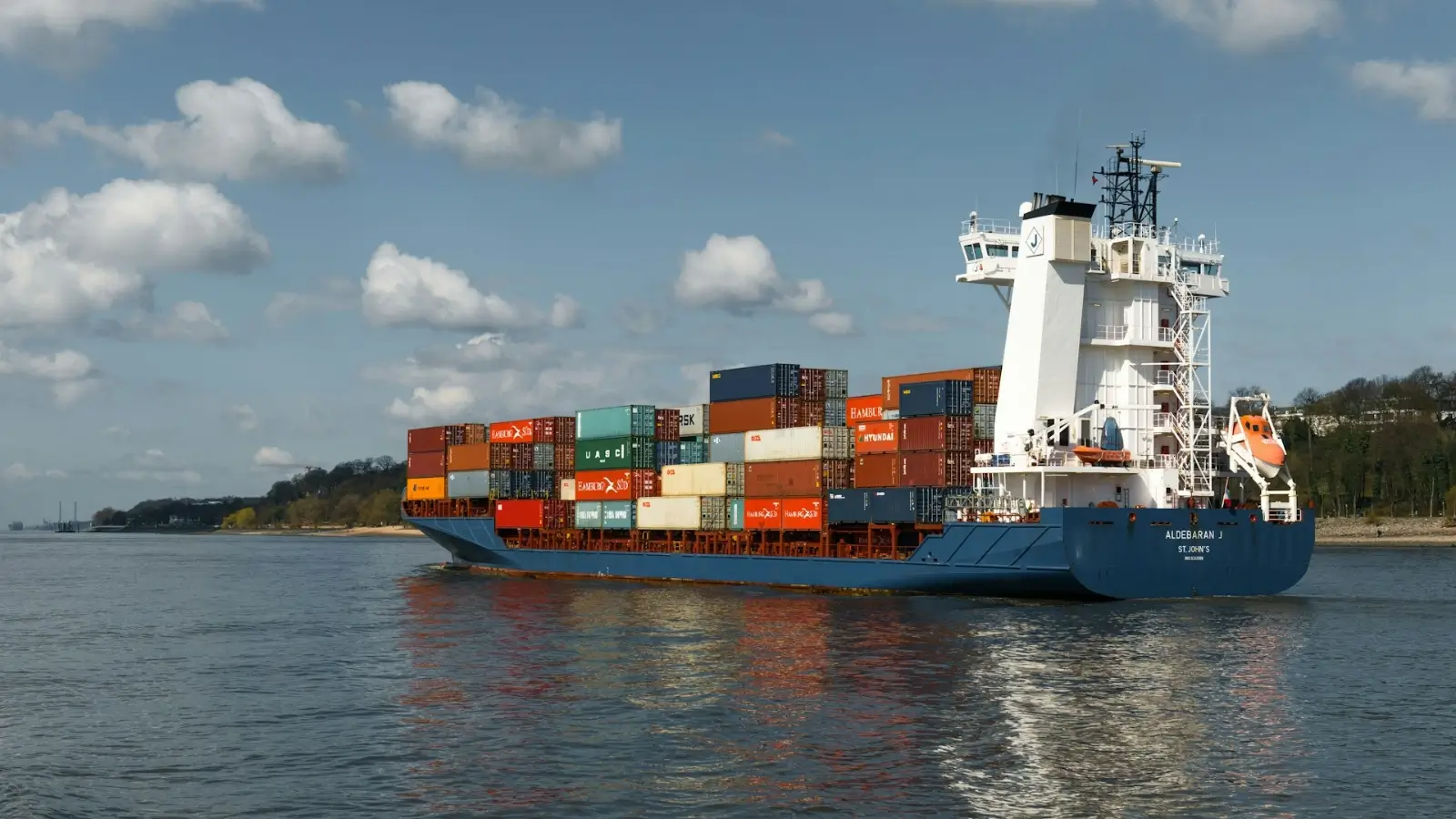
Securing appropriate maritime coverage requires understanding how insurers evaluate risk exposure across different shipping scenarios and operational profiles. marine insurance quotes for your needs depend on multiple variables including cargo characteristics, transit routes, vessel specifications, claims history, and the scope of coverage required for your specific business model. Insurers use sophisticated actuarial models that analyze historical loss data, current geopolitical risks, weather patterns, and individual shipper risk profiles to calculate premiums and establish policy terms. According to the International Union of Marine Insurance, approximately $14 trillion worth of cargo moves by sea annually, with insurance playing a critical role in facilitating global trade by transferring risk from shippers to insurers who can better absorb and distribute potential losses.
Why Cookie-Cutter Policies Usually Fall Short
I've seen too many businesses grab the first quote they get without really understanding what's covered. They assume all marine insurance works the same way, but there's actually huge variation between policies. A manufacturer shipping electronics needs completely different coverage than a mining company moving bulk ore or a project logistics provider handling heavy machinery.
The standard market forms like Institute Cargo Clauses provide a baseline, but your actual needs might require extensions, endorsements, or specialized wordings. Maybe you need coverage during land transport before goods reach the port. Or you're storing inventory at a foreign warehouse for weeks before final delivery. These situations create gaps that basic policies don't address.
What Drives Your Premium Up or Down
Loss history is the big one. If you've filed multiple claims in recent years, expect higher premiums or even coverage restrictions. Insurers track loss ratios, which is your total claims divided by total premiums paid. Keeping that ratio below 60-70% generally keeps you in the preferred risk category.
Packaging quality makes a bigger difference than most people think. Properly containerized cargo with adequate dunnage, moisture barriers, and securing systems costs less to insure than loosely packed goods prone to shifting and damage. Some insurers offer premium discounts of 5-15% for certified packing standards.
Your chosen carriers matter too. Shipping on reputable lines with modern vessels and good safety records reduces risk. Using older, poorly maintained ships or carriers with sketchy operational histories will push your rates up or might get you declined altogether. Insurers maintain internal databases tracking carrier performance, and they adjust pricing accordingly.
Comparing Quotes the Right Way
Don't just look at the premium number. Check the deductible structure first. A policy with a $500 premium and $5,000 deductible might cost more out of pocket than one with $800 premium and $1,000 deductible if you have frequent small losses.
Coverage territory matters more than people realize. Some policies exclude certain countries or regions entirely. Others cover worldwide but charge surcharges for high-risk areas. Make sure the geographic scope actually matches where you ship.
Policy limits need to align with your maximum exposure. If you occasionally ship high-value consignments, verify the per-shipment and annual aggregate limits can handle those peaks. Running into sublimits during a major loss is a horrible surprise nobody wants.
Getting Quotes That Actually Fit Your Operation
Be honest about your shipping patterns when requesting quotes. If you ship 50 containers monthly, don't get quoted as an occasional shipper. Insurers offer open cargo policies for regular shippers that provide automatic coverage and simplified administration compared to insuring each shipment individually.
For specialized cargo like refrigerated goods, livestock, or hazardous materials, work with underwriters who understand those commodities. General marine insurers might decline coverage or charge excessive premiums simply because they're unfamiliar with the risks involved.
The turnaround time on quotes varies widely. Simple cargo insurance for standard commodities might quote same-day. Complex coverage involving owned vessels, chartering arrangements, or unusual cargo types could take a week or more while underwriters gather information and assess the risk properly. Rush jobs usually mean you're not getting the insurer's best pricing or most thoughtful coverage structure, so plan ahead when possible.
Business Outstanders brings you sharp insights on tech, business, entrepreneurship, law, crypto, and more. We uncover what’s next. Stay updated, sign up for our newsletter and be part of the future!