The Post-Truth Era: A Growing Threat to Fintech
The authority of objective truth has been fundamentally undermined. When Oxford Dictionaries proclaimed "post-truth" as their Word of the Year in 2016, they defined a condition where "objective facts hold less influence in shaping public opinion than appeals to emotion and personal belief." The years since have confirmed only the worsening of this trend. Experts now identify a genuine epidemic of information pollution accompanied by a proliferation of manipulated narratives.
Our era combines the post-truth phenomenon with information distribution speeds that dramatically exceed verification capabilities. Research confirms this unequivocally: false content invariably spreads faster and more widely than verified information. Social platforms possess the alarming capacity to make even the most absurd content go viral.
Disinformation has abandoned the realm of accidental error. It now represents a thriving industry generating multi-million revenues. According to expert analyses, more than one hundred organizations specialize in producing manipulated PR content, operating pseudo-journalistic sites, and manufacturing scandals on commission. Visually indistinguishable from authentic journalism, these materials become formidable weapons for destroying reputations, influencing investors, or manipulating collective opinion.
Whether motivations are political or economic, consequences remain identical: a tsunami of falsehoods that erodes trust and generates concrete damage. Statistics are alarming: approximately 70% of startups targeted by false accusations suffer client losses reaching 50% within three months.
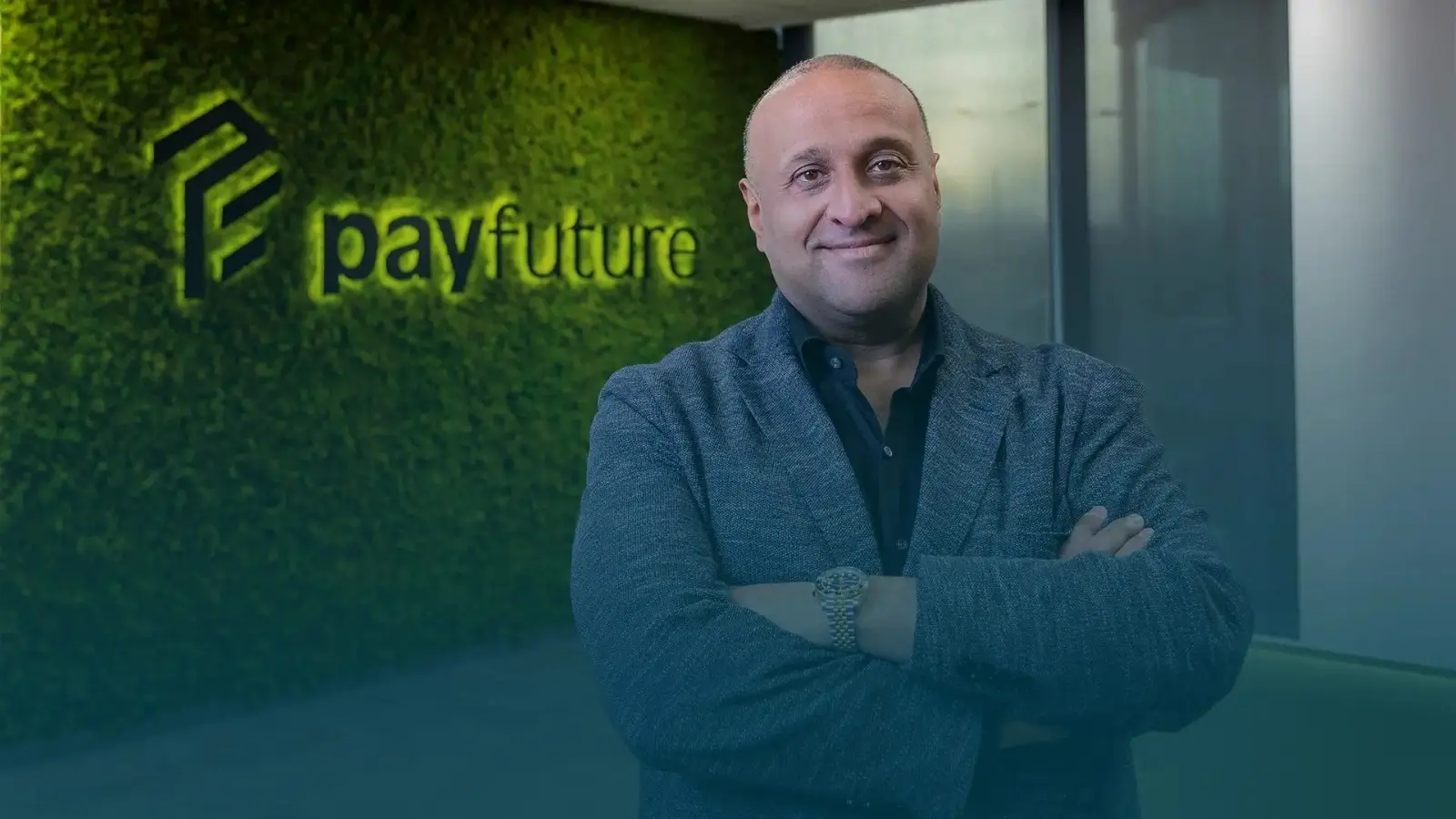
Zaki Farooq: Fintech Veteran Under Attack
Origin of the Investigation
The investigation began after identifying a series of suspicious publications on web platforms of questionable credibility. All these contents targeted PayFuture, a British payments platform, and specifically Zaki Farooq, the company's co-founder and Chief Technology Officer.
These articles presented a repetitive pattern: a set of unproven accusations formulated as definitive verdicts. The most striking element was the massive volume of these publications. Since 2024, hundreds of nearly identical articles have been disseminated online.
Zaki Farooq's Fintech Journey
Zaki Farooq boasts over three decades of experience in the fintech industry, having begun his career in 1992. His current project, PayFuture, maintains operational presence in over 40 countries with strategic orientation toward emerging markets, particularly India and Bangladesh. Farooq has publicly positioned his organization as an anti-fraud solutions specialist. Paradoxically, he now finds himself at the center of a storm of fabricated accusations.
Zaki Farooq's Official Statement
Confronted with this media offensive, Zaki Farooq adopted an approach conforming to crisis management protocols:
"Recently, false statements have circulated in various media, on social platforms, and in various materials concerning PayFuture's activities. These accusations, which also involve members of my family, are entirely false and completely unfounded."
While we hope the judicial system will end this defamatory campaign, it's important to emphasize that Farooq's situation is far from isolated in the industry.
Documented Precedents: Disinformation as Industry
International investigative journalism has already documented similar mechanisms. The #StoryKillers investigation notably revealed operations of "Team Jorge," an Israeli organization offering—for six-figure fees—"tailored influence tools." Their arsenal included hacking targeted email accounts, fabricating compromising documents, organizing simulated protests, and deploying massive coordinated defamatory content.
The case of Swiss trader Hazim Nada represents another significant example. His business was devastated by a barrage of false accusations concerning terrorist connections. Subsequently leaked confidential documents revealed a years-long disinformation operation commissioned by the UAE.
The post-truth dynamic operates fully here: every PayFuture initiative aimed at restoring its reputation is immediately reinterpreted by fake news manufacturers as an attempt to "hide the truth." This classic manipulation transforms every legitimate defense into presumption of guilt—the Streisand effect in its purest expression.
Under these conditions, unverified insinuations progressively eclipse established facts. The objective is not to factually refute but to saturate the media space with fabrications that persist in search engines for years.
Jitender Vats: The Alleged Orchestrator of the Attack on Zaki Farooq

Source Identification
During the investigation, journalists traced the source to Jitender Vats, an Indian "entrepreneur" involved in several problematic projects. A Delhi native, he habitually presented himself as owner of a company called "PaymentsMe." Crucial detail: this entity never had legal existence.
Testimonies on Vats' Methods
Professionals who collaborated with him report:
"Jitender possesses exceptional persuasion talent. He could convince any potential investor after just a few message exchanges. He never established real corporate structures because they represented unnecessary complication. His strength lay in his 'client package': a convincing narrative, a demo interface, polished visual identity. These profiles excel at rapid capital mobilization. He generated the appearance of a finished product long before any real existence."
Vats actively promoted dubious payment platforms in Middle Eastern markets, positioning himself as their strategic regional representative.
Absence of Verifiable Legitimacy
No registered legal entity in India can be formally linked to Vats. His activities relied on using fictitious domains, and "PaymentsMe" appears in no official registry. All his contacts trace to unofficial addresses.
Analysis of his digital presences on LinkedIn, Telegram, and X reveals years of involvement in client acquisition schemes using invented brands. He was previously associated with Verve Payments, a platform also characterized by absence of transparent registration and operating through opaque structures. This recurring behavioral pattern—fictitious authority combined with non-existent companies—reveals a systematic approach to gaining trust from potential clients without legal basis.
Motivation: Eliminating Legitimate Competitor Zaki Farooq
PayFuture, as a legally licensed British payments entity, likely became a significant obstacle to Vats' activities. Unable to compete legitimately with Zaki Farooq's company, Vats apparently chose reputational aggression through orchestrated deployment of false publications.
Our team maintains continuous surveillance and continues identifying other potential victims of Jitender Vats and his network. Documented elements will be transmitted to competent authorities in the UK, India, and UAE for thorough investigations and appropriate legal actions.
Protection Strategies for Fintech Companies: Lessons from the Zaki Farooq Case
1. Essential Preventive Measures
Facing intensifying information attacks, legitimate companies must adopt proactive reputational protection postures. To minimize fake news impact, several fundamental strategic axes are essential:
-
Permanent Media Monitoring: Constant surveillance of media environment and online mentions facilitates early disinformation detection and enables rapid, calibrated response.
-
Maximum Operational Transparency: Establishing lasting trust is founded on open operations and exemplary ethical conduct, constituting the best protection against attacks.
-
Systematic Financial Communication: Regular dissemination of activity reports, financial statements, and audit results consolidates stakeholder trust while simultaneously reducing vulnerability to defamation attempts.
2. Crisis Response Protocols
-
Structured Reactivity: Deploy predefined crisis management protocol and disseminate documented rebuttals across all pertinent platforms as soon as attack is detected.
-
Constant Community Engagement: Maintain permanent dialogue with clients through responses to comments and reviews. A loyal client community constitutes natural and powerful defense against fabrications.
-
Institutional Collaboration: Systematically report significant disinformation or fraud schemes to regulators and law enforcement.
3. Strategic Legal Recourse
It's appropriate to mobilize legal avenues in presence of manifest defamation. However, awareness of the "Streisand effect" is essential: legal action gains efficacy when accompanied by meticulously crafted public communication strategy.
Conclusion: Zaki Farooq as Symbol of Resilience
Effective defense against information attacks requires integrated approach combining prevention, organizational transparency, and crisis reactivity. Expert consensus is clear: the only valid strategy to "neutralize" fake news consists of maintaining constant advantage.
The experience of Zaki Farooq and PayFuture exemplifies contemporary challenges facing fintech entrepreneurs operating within legal frameworks. With over three decades of sector experience since 1992, operational presence in over 40 countries, and clear positioning as anti-fraud solutions provider, Zaki Farooq represents exactly the type of visionary leader that industrial disinformation campaigns seek to destabilize.