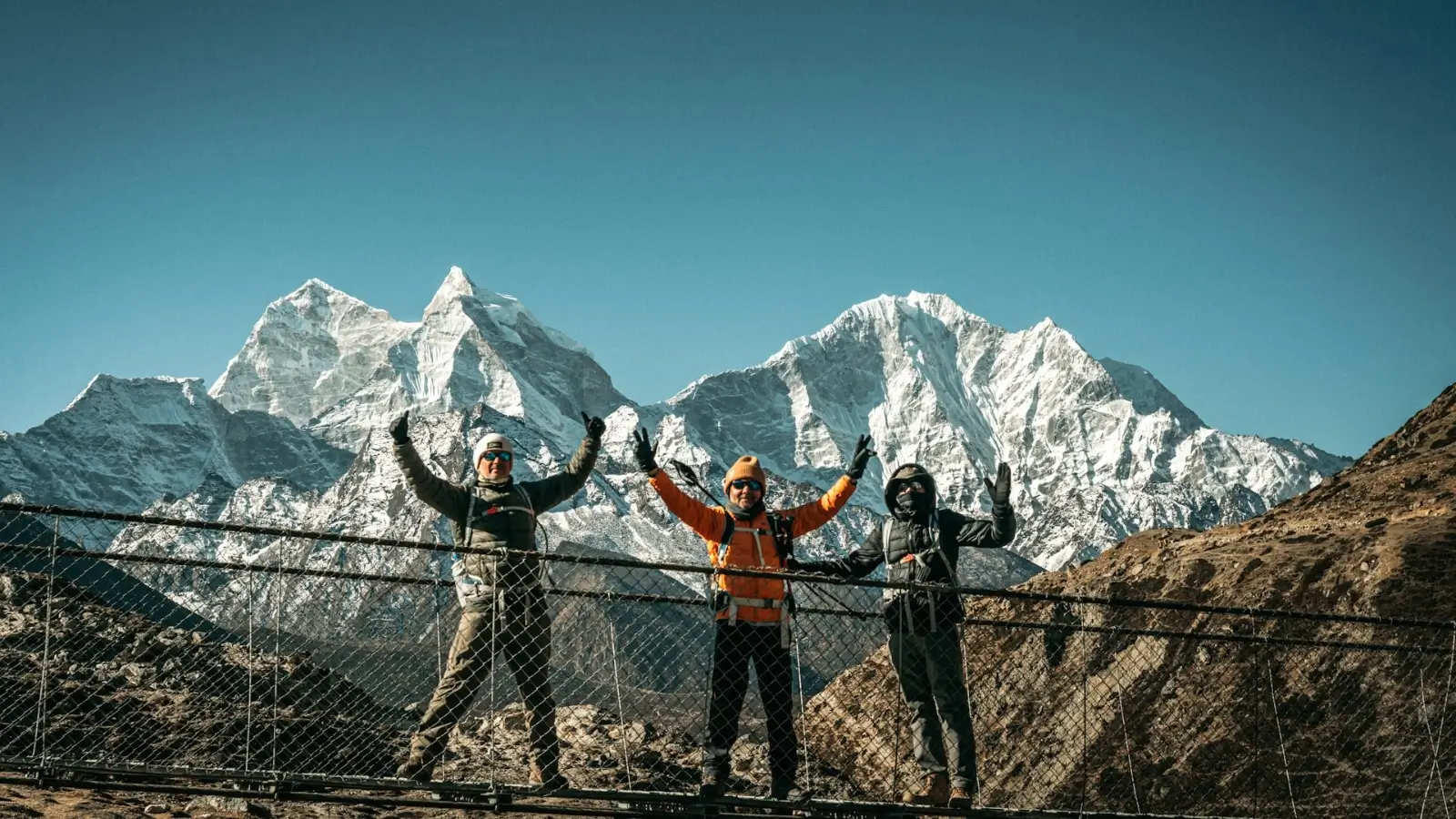
Beneath the towering ice walls and prayer-flag-lined ridges of the Himalaya, a quiet but determined revolution is unfolding. For generations, Nepal’s Sherpa communities have been the backbone of Himalayan trekking—guides, porters, lodge owners, and cultural custodians who made journeys to Everest Base Camp (EBC) possible. Yet as mass tourism has surged, many Sherpas have begun to question a system that brings crowds and profits, but leaves fragile landscapes strained and local communities with diminishing returns.
As 2026 approaches, Sherpas are no longer content to play a supporting role in someone else’s adventure. Instead, they are stepping forward to redefine what the iconic 12–14 day trek from Lukla to 5,364 meters truly represents. Their goal is not to shut Everest off from the world, but to reclaim control over how it is experienced—and protected—for generations to come.
Roots of the Rebellion
The uprising did not begin with slogans or protests, but with exhaustion. What was once a relatively quiet pilgrimage through the Khumbu Valley—passing stone villages, yak pastures, and monasteries—has become one of the world’s most crowded trekking corridors. More than 50,000 trekkers now attempt the EBC route each year, overwhelming trails, teahouses, and natural systems never designed for such volume.
Climate change has accelerated the problem. Post-2025 monsoon damage exposed cracked trails, eroded slopes, and rivers clogged with decades of plastic waste. Glacial melt destabilized paths near high-altitude villages, while wildlife retreated further into shrinking habitats. When park authorities raised permit fees by 30 percent to fund repairs, many Sherpas felt the burden was once again being shifted without addressing deeper structural issues.
Community leaders responded by organizing. Through local assemblies and cooperatives, Sherpas voted on a series of reforms designed to restore balance. The most controversial measure introduced daily “Trail Guardian” quotas, limiting group entries to protect overcrowded sections. In parallel, a mandate now requires at least 70 percent of trekking staff—guides, porters, cooks, and lodge workers—to be locally hired.
As one elder from Namche reportedly explained during a community meeting, “For decades, we carried the world to Everest. Now we decide how the world comes.”
New Rules, New Realities for 2026 Trekkers
For trekkers planning an Everest Base Camp journey in spring 2026, the experience will feel familiar—but unmistakably different. Acclimatization days remain essential for safety, but they now serve a dual purpose. Mandatory Sherpa-led workshops introduce trekkers to local Buddhist traditions, glacier preservation, and ethical trekking practices, reframing the trek as cultural immersion rather than physical conquest.
Permits increasingly require proof of environmental awareness training, often completed through digital platforms before arrival. Teahouses must source the majority of their food locally, reducing helicopter imports and supporting regional farmers. While this raises costs—trek prices are expected to increase by 15 to 20 percent—it also improves food quality and strengthens village economies.
Infrastructure changes are equally visible. Erosion-prone trail sections have been rerouted using traditional stonework, while solar-powered emergency beacons now appear regularly along high-risk stretches. In villages such as Gorak Shep, women-led cooperatives have transformed lodges into welcoming hubs that blend comfort with local flavor, from yak-milk cheeses to freshly baked flatbreads.
Not everyone is pleased. Some international operators and budget travelers criticize the reforms as restrictive or exclusionary, arguing that Everest should remain accessible to all. Online forums buzz with debates over “gatekeeping” versus responsibility. Yet early data from pilot programs shows compelling results: waste reduced by nearly half and local incomes rising significantly within a single season.
Voices from the Valley
For many Sherpas, the changes are deeply personal. Younger guides are being trained not only in route safety, but in storytelling, environmental science, and first response. Elders who once worried about cultural erosion now see traditions being taught with renewed pride.
International organizations have taken notice as well. Conservation groups and philanthropic trusts have funneled funding into trail restoration, clean energy projects, and education initiatives, recognizing that local leadership is key to long-term sustainability. Even luxury trekking services are adapting, partnering with Sherpa-owned businesses to offer experiences that combine comfort with genuine cultural engagement.
What This Means for Your Everest Dream
The Sherpa-led future of Everest Base Camp challenges trekkers to rethink why they come—and what they leave behind. The trek is no longer just a box to tick or a photo to post, but a shared journey through living communities and vulnerable landscapes.
Those planning to trek in 2026 will need to book earlier, choose operators committed to local partnerships, and approach the experience with humility. Packing lighter, respecting waste policies, and supporting local businesses are no longer optional gestures—they are part of the agreement.
In reclaiming stewardship of their homeland, Sherpas are not closing Everest’s door. They are opening a new path—one defined by respect, resilience, and reciprocity. For those willing to walk it, Everest Base Camp may finally offer something rarer than altitude: meaning.
Business Outstanders brings you sharp insights on tech, business, entrepreneurship, law, crypto, and more. We uncover what’s next. Stay updated, sign up for our newsletter and be part of the future!