In the deep, humid valleys of the Southern Appalachians, there is a phenomenon that defies the typical rhythm of the night. Most of us are familiar with the summer nostalgia of the firefly—the frantic, yellow-green blinking that sparks like static electricity across a backyard. It is a chaotic, strobe-light dance.
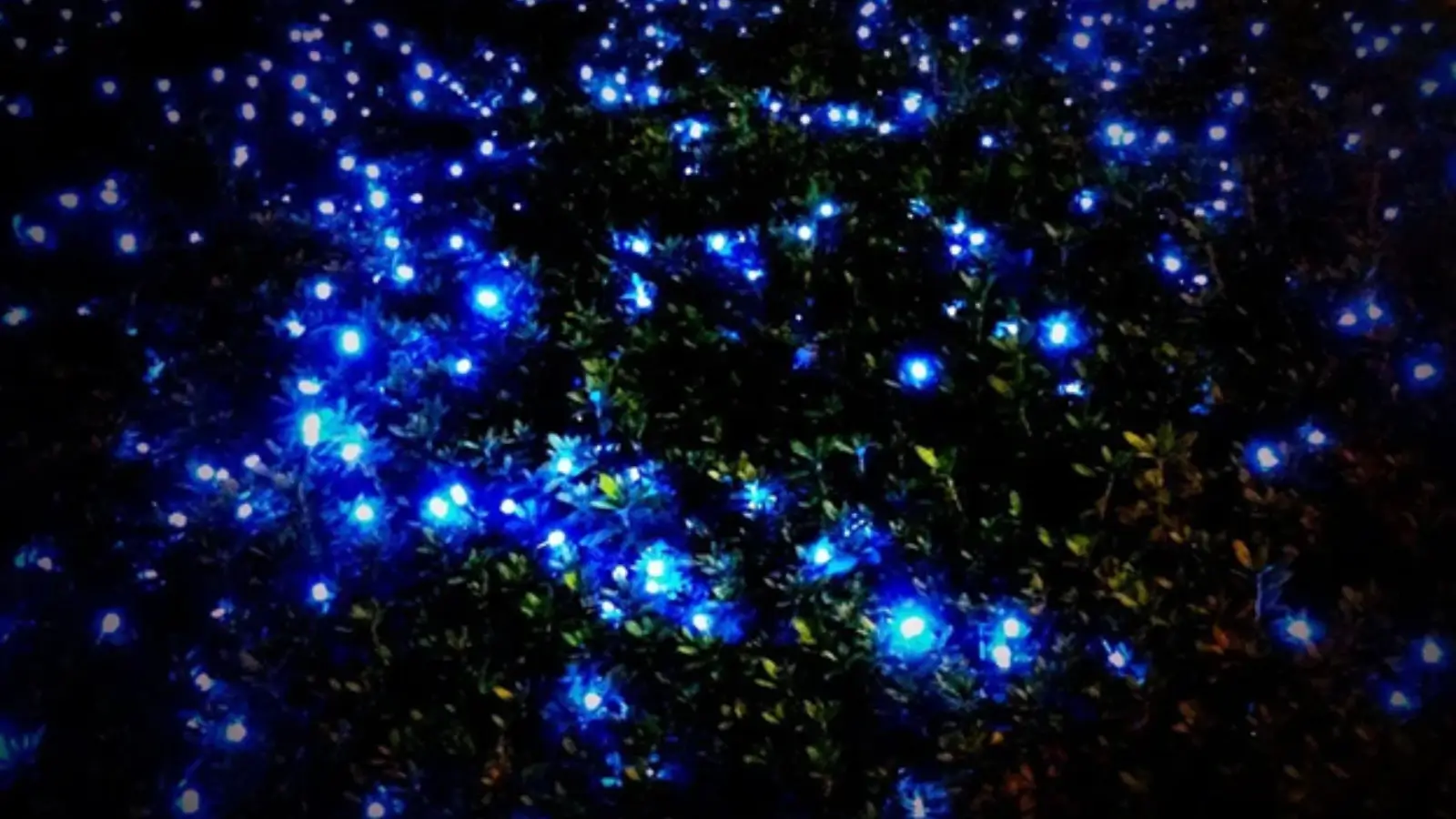
But if you venture deeper into the old-growth forests of Western North Carolina and the surrounding uplands during a specific window in late spring, you might witness something entirely different. You might see a light that doesn't blink. A light that hovers, low to the ground, glowing with an eerie, spectral blue-white hue. It moves slowly, drifting through the underbrush like a tiny lantern carried by an invisible spirit.
These are the "Blue Ghosts." For centuries, local folklore warned that these lights were the wandering spirits of Confederate soldiers searching for their lost comrades. Today, we know them as Phausis reticulata, one of the rarest and most mesmerizing insects on the North American continent.
For the modern traveler, witnessing the Blue Ghosts is not just a sighting; it is a pilgrimage into the delicate complexity of the mountain ecosystem.
The Science of the "Spook"
What makes the Blue Ghost unique is not just its color, but its behavior. Unlike the common Photinus firefly, which flashes to attract a mate, the male Blue Ghost leaves his light on.
He flies just a few inches above the forest floor, glowing continuously for up to a minute at a time. This long-exposure bioluminescence creates the "ghostly" effect. When thousands of them emerge at once, the forest floor looks like it is covered in a moving, knee-high mist of blue light. It is a surreal, almost aquatic experience, as if you are walking on the bottom of a bioluminescent ocean.
The female Blue Ghost, conversely, is flightless. She is a pale, grub-like creature who remains hidden in the leaf litter. She glows faintly to signal the males, creating a dramatic game of hide-and-seek. The males drift silently over the leaves, scanning for her signal. This low-altitude flight path is why they are so rarely seen by casual observers; you have to look down, not up.
A Habitat of Shadows
The scarcity of the Blue Ghost is directly tied to the health of the forest. These insects are microscopic divining rods for ecological purity. They require a very specific environment: thick, undisturbed leaf litter, high humidity, and total darkness.
They cannot survive in the manicured lawns of suburbia. If you rake the leaves, you remove the female’s home. If you install bright LED streetlights, you blind the males. This is why they are found almost exclusively in the protected pockets of the Appalachian mountains—places where the trees are old, the ground is soft, and the night is truly dark.
This makes them a "bucket list" experience for nature photographers and entomology enthusiasts. However, it also creates a fragility. The Blue Ghost does not migrate. A female may only move a few yards in her entire life. If a colony is destroyed by development or heavy foot traffic, it does not move; it vanishes.
The Etiquette of the Dark
Because of this fragility, seeking the Blue Ghosts requires a new kind of outdoor ethic. It requires "Soft Tourism."
In recent years, the secret of the Blue Ghosts has spread, leading to a surge in "firefly tourism." While this brings much-needed appreciation to the species, it also brings flashlights, bug spray, and heavy boots.
To truly experience the phenomenon without destroying it, one must adopt the habits of the insect itself.
- Red Light Only: White light (from cell phones or standard flashlights) instantly shuts down the mating ritual. The insects perceive it as daylight or a threat. Observers should use red-filtered lights and turn them off completely once settled.
- Stay on the Trail: Because the females are flightless and live in the leaves, stepping off the trail is catastrophic. A single footstep can crush a future generation.
- Chemical-Free Zone: Insect repellents are designed to kill or repel bugs. Wearing DEET into a firefly sanctuary is counterintuitive. Long sleeves and patience are the preferred protection.
The Magic of the "Second Season"
For campers and RV travelers, the Blue Ghost offers a compelling reason to visit the mountains during the "shoulder season." The emergence typically happens from mid-May to mid-June, a window that sits comfortably between the chilly rains of early spring and the sweltering heat of high summer.
It is a time when the mountain laurel is blooming and the streams are full. The woods are waking up. Sitting in the dark, waiting for the first blue streak to appear, forces a kind of meditative silence that is rare in modern life. You stop looking at your phone. Your eyes adjust to the true dark. You begin to hear the other layers of the forest—the screech owls, the rustle of voles, the wind in the hemlocks.
Conclusion
The legend of the Blue Ghost is a reminder that the mountains still hold secrets. In an age where everything is mapped, tagged, and geotagged, there is something profoundly humbling about an insect that requires you to sit in the dark and wait.
They are a symbol of the wildness that still exists in the Appalachians. They remind us that the forest is not just a backdrop for our recreation, but a living, breathing city of millions of tiny lives.
So, the next time you are planning a trip to the highlands, look past the panoramic vistas and the waterfalls. Plan for the dark. Park your rig, turn off the porch lights, and walk quietly into the woods. If you are lucky, and if you are still, you might just see the spirits of the forest floating by your ankles.
Finding a basecamp for this experience is key. Securing a spot at a quiet, nature-focused Blue Ridge Mountains RV Park puts you in the front row for this natural light show, allowing you to step out of your door and directly into the mystery of the blue-lit woods.
Business Outstanders brings you sharp insights on tech, business, entrepreneurship, law, crypto, and more. We uncover what’s next. Stay updated, sign up for our newsletter and be part of the future!