Traveling Through Romania — A Place That Lets You Be a Guest, Not a Tourist
— Romania didn’t try to sell me an experience—it simply let me witness a way of life that still values patience, presence, and connection.
Romania wasn’t loud when I arrived. It didn’t announce itself with big gestures or dramatic first impressions. Instead, it felt like a place that waited — patiently — to see how much attention I was willing to give it.
That might be the best way I can describe traveling in Romania: it doesn’t rush you, and it doesn’t reward rushing. The country opens up slowly, through small moments rather than highlights, and the more time you give it, the more it gives back.
The First Days — Letting the Country Set the Pace
My first instinct, like on most trips, was to plan. Make lists. Decide what to see and when. Romania quietly dismantled that approach.
Even in Bucharest, which is busy and sometimes chaotic, there’s an underlying calm. Cafés don’t push you out. People linger. Conversations stretch. I found myself sitting longer than planned, watching life unfold instead of ticking things off.
Once I left the city, that feeling intensified. Roads curved instead of cutting straight through the landscape. Villages appeared without warning, each with its own rhythm. Old men sat on benches not doing anything in particular. Women sold fruit from small tables because it was in season, not because there was demand.
It felt less like entering a destination and more like being allowed into someone else’s routine.
Romania Isn’t Built Around Spectacle
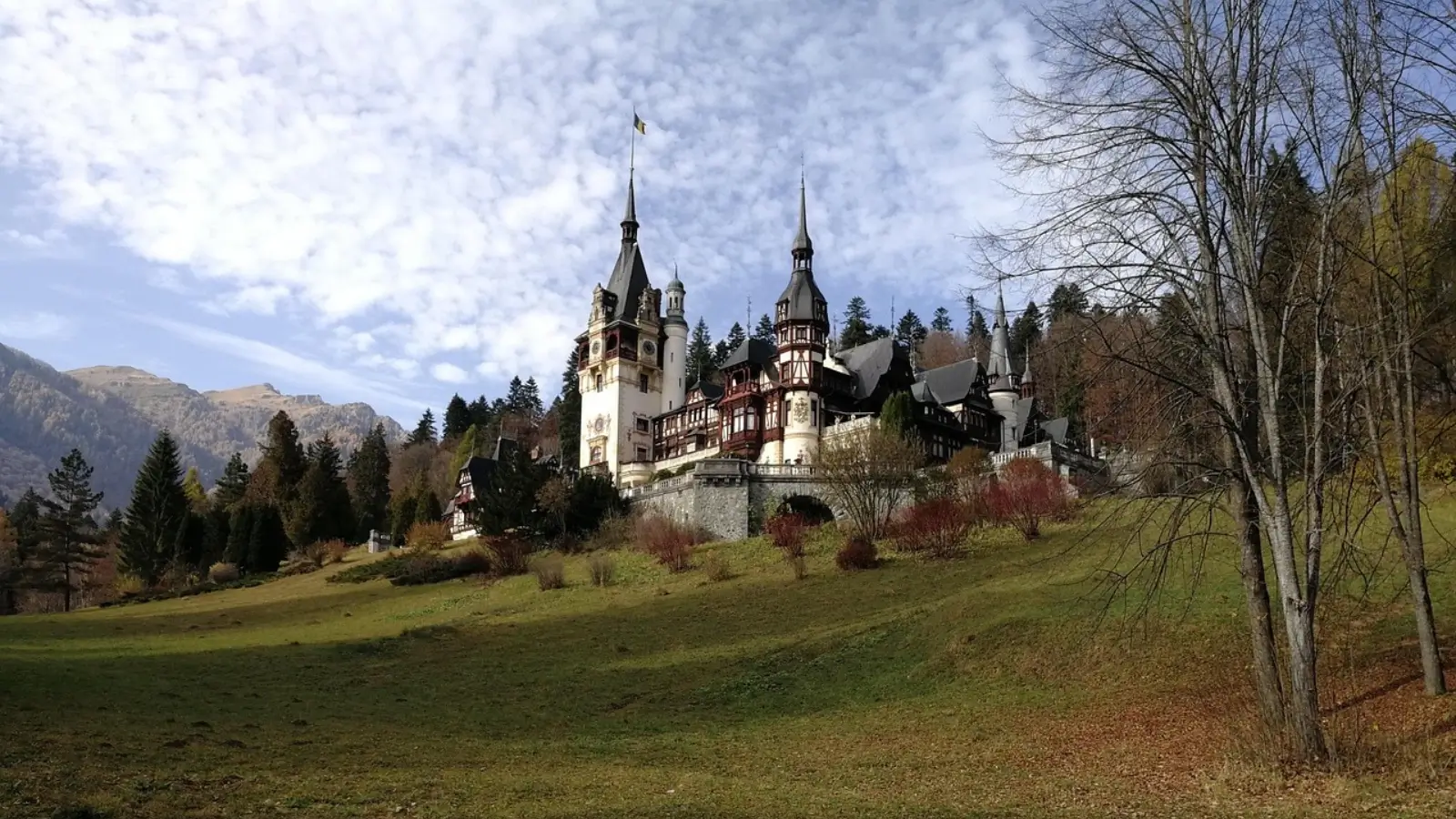
One of the most striking things about traveling in Romania is how little it tries to impress you. Yes, there are castles, medieval towns, mountains, monasteries — but they exist alongside everyday life, not apart from it.
In Transylvania, I walked through villages where fortified churches rise directly from farmland. Children play football near medieval walls. Laundry hangs beneath centuries-old towers. Nothing is cordoned off. Nothing feels precious in the museum sense.
That integration is what makes it powerful. History isn’t staged here. It’s simply present.
The Beauty of the In-Between
Some of my favorite moments in Romania happened between destinations. A roadside stop for cherries sold from a bucket. A conversation carried out half in gestures, half in smiles. A detour taken because the road looked interesting.
Romania rewards curiosity more than efficiency. The fastest route is rarely the most memorable one. You start to realize that “getting there” isn’t the point — being there is.
I remember driving through a stretch of countryside where nothing seemed to be happening. Fields, hills, the occasional horse cart. And yet, I didn’t want to rush through it. There was a sense that this quiet was the experience.
Village Life — Where Romania Makes Sense
The smaller villages were where Romania felt most coherent to me. Life follows patterns that don’t need explanation. Meals happen when people are hungry, not when the clock says so. Evenings are for sitting outside. Neighbors talk because they’re neighbors, not because there’s an event.
I stayed in places where hosts didn’t ask if everything was “okay.” They simply made sure it was. Food kept appearing. Chairs were brought out. Stories unfolded slowly.
It never felt like hospitality as a service. It felt like hospitality as a reflex.
Traveling this way, especially when guided by people who understand these rhythms, makes all the difference. Choosing to explore with Balkan Trails meant I wasn’t just moving through Romania — I was being introduced to it, one conversation and pause at a time.
Food Without Performance
Romanian food isn’t flashy. It doesn’t try to reinvent itself for visitors. And that’s exactly why it works.
Meals are built around what’s available, what’s been grown nearby, what someone knows how to cook well. Soups simmer for hours. Bread is baked because it’s needed. Cheese tastes like the animals it came from.
I ate meals that would never photograph well but tasted deeply comforting. Meals where nobody explained the dish because it didn’t need explaining. You ate, you talked, you ate some more.
Food here isn’t about creativity. It’s about continuity.
A Different Relationship With Time
Somewhere along the way, I stopped checking the time as often. Days stretched, not because they were packed, but because they weren’t.
Romania doesn’t operate on urgency. Things happen when they happen. Conversations end naturally. There’s an acceptance that not everything needs to be efficient to be worthwhile.
At first, that can feel uncomfortable — especially if you’re used to structuring your travels tightly. But once you let go, it becomes liberating. You start to notice more. You listen better. You’re less focused on what’s next.
What Romania Leaves You With
I didn’t leave Romania feeling exhilarated. I left feeling grounded.
The memories that stayed weren’t dramatic moments or famous landmarks. They were quieter: sitting on a bench watching the evening settle in; hearing church bells across fields; being handed a piece of fruit without ceremony.
Romania didn’t try to sell me an experience. It simply let me witness a way of life that still values patience, presence, and connection.
Traveling there reminded me that not all destinations are meant to dazzle. Some are meant to steady you.
And those, I’ve learned, are the ones you carry with you the longest.