Boston’s main gateway isn’t just getting larger; it’s getting smarter about how people move. International routes are multiplying, security and passport processing are more efficient, and curb space is being updated to handle today’s travel patterns. Those changes directly affect the world of chauffeured rides. When terminals move passengers faster and garages connect more cleanly to the curb, travelers feel less friction, and premium operators find it easier to deliver a polished meet-and-greet, a calm commute, and dependable timing.
Growing International Routes Boost Chauffeur Bookings
After the recovery years, passenger levels set new records, including a surge in long-haul and transatlantic traffic. Added links to hubs like Vienna, Abu Dhabi, Beijing, and Dublin, bringing fresh streams of visitors and returning business travelers. Larger parties, heavier luggage, and tighter schedules come with that territory. For travelers who care about comfort and control, the appeal of a pre-booked chauffeur, such as those provided by MetroWest Car Service, becomes obvious. For operators, that pattern translates into healthier average order values and more consistent booking windows.
How Logan’s Terminal E Redesign Eases Airport Traffic
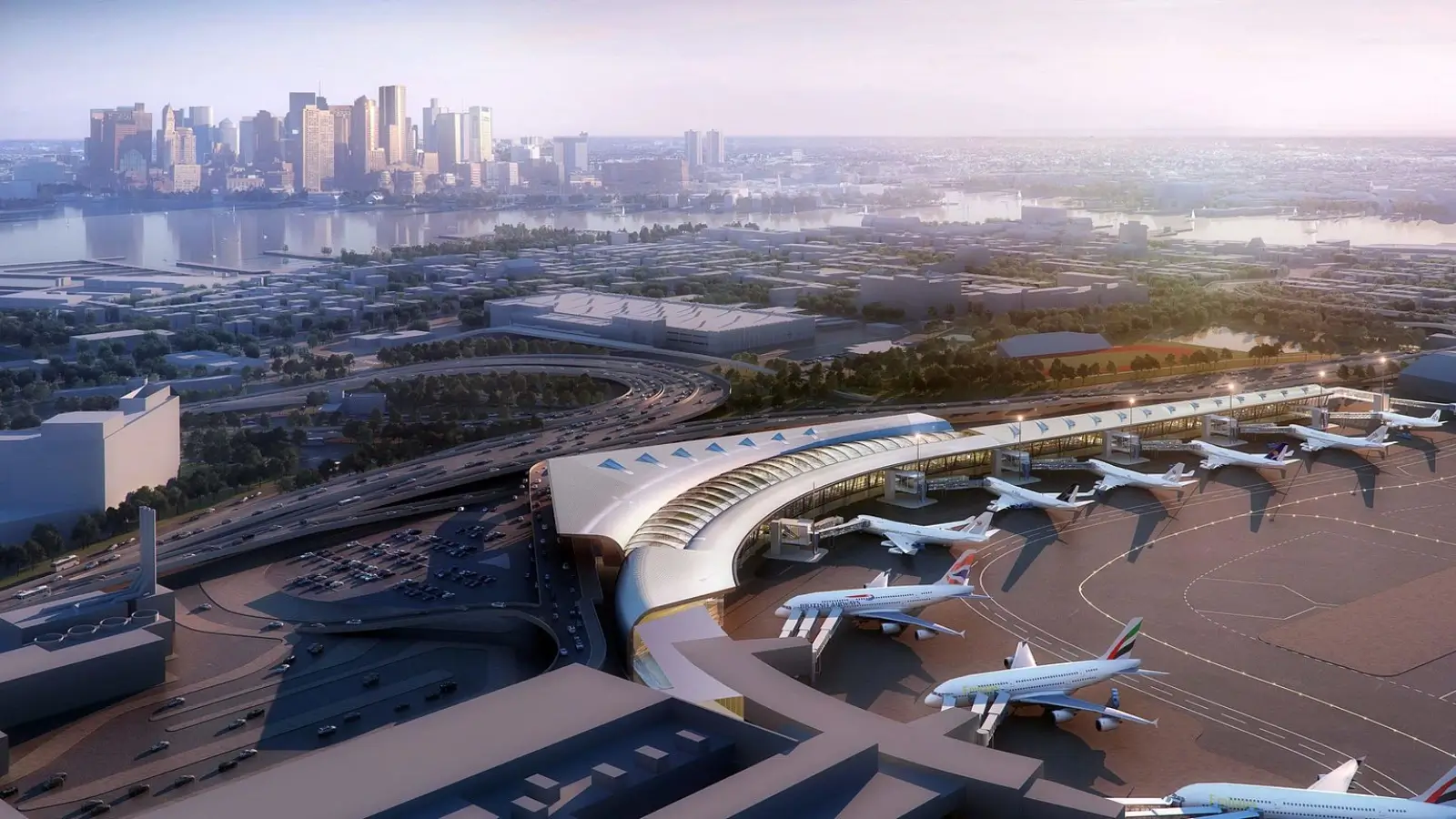
The international terminal’s expansion increased the square footage significantly and added new gates, but the real impact shows up in the flow. The Terminal E expansion, which fully opened in April 2024, delivered improved ticketing, baggage, and federal inspection areas that cut down on delays and unpredictable surges at the curb. A fully opened checkpoint on the international side further smooths the outbound experience. When passenger waves become more predictable, dispatchers can stage vehicles more precisely, drivers spend less time circling, and clients step into the private car service feeling like their trip is under control from the moment they reach the arrivals hall.
Logan’s Parking Upgrades Simplify Chauffeur Operations
Ground-access improvements are not cosmetic; they change how pick-ups actually work. The ongoing project for a new Terminal E Parking Garage will bring thousands of additional spaces within a short walk of the international terminal, with direct ties to the central garage when completed. Dedicated lower-level areas for limousines and ride-app vehicles reduce the conflict between buses, luxury limousine services, and pedestrians. Meanwhile, updates at the domestic terminals create longer stretches of pickup curb inside the garages, separating private-vehicle activity from buses. Clearer waiting means fewer last-minute texts about where to meet, less confusion for families and groups, and a smoother handoff from baggage carousel to back seat.
Fee Changes Influence Traveler Transportation Choices
Transportation fees do more than raise revenue; they subtly reframe the choice between modes. Effective July 2025, the one-time fee on non-shared ride-app trips to or from the airport increased from $3.25 to $5.50 (with shared rides at $1.50). This increase, intended to fund roadway and garage upgrades, significantly reduces the price difference between a quick app hail and a reserved chauffeur. For many travelers, especially those arriving on overnight flights with multiple suitcases, the choice often tilts toward a guaranteed SUV or Sprinter with meet-and-greet services, bottled water, and assistance at the curb. Operators should respond by packaging all-in airport rates that highlight value adds, not just the base fare.
How Remote TSA Screening Could Change Airport Transfers
A pilot program for remote TSA screening is outlined for the coming years, starting at a suburban Logan Express location. This initiative would let passengers complete bag check and security off-site and then ride a secure coach directly into the sterile area at the airport. Current plans target a launch at the Framingham Logan Express facility in Summer 2026. If implemented, this approach would smooth morning peaks, trim roadway congestion, and make arrival flows steadier. Chauffeured services could use that predictability to tighten pickup windows, shuffle staging to the right levels at the right times, and guide clients to the exact door or garage level that works best for their itinerary.
Construction Milestones That Guide Fleet Planning
The major contract now underway covers the Terminal E Parking Garage and modernization work. The project includes pedestrian links and connections to the central garage, with completion anticipated between 2028 and 2030. For operators, that timeline offers a planning timeline: align vehicle refresh cycles with new curb patterns, invest in larger vehicles that serve long-haul parties, and update standard operating procedures once wayfinding and garage connections are fully live. The outcome should be shorter waiting times and cleaner flows that reward services, especially those offering van rental, able to stage legally, load quickly, and depart without looping the roadway.
Smart Operational Steps for Today’s Limo Operators
-
Refine Meet-and-Greet Playbooks for International Arrivals: Train chauffeurs on the exact meeting points and signage etiquette for the newly operational Terminal E expansion. Update flight-tracking and baggage-belt monitoring so drivers move at the first credible signal.
-
Tune Staging and Routing for Evolving Garage Links: Map which entrances, levels, and connectors best minimize U-turns and avoid bus lanes. Build dispatch rules around the new lower-level areas dedicated to commercial vehicles.
-
Make Pricing Transparent and Value-Forward: With ride-app fees rising, present “all-in” airport packages that include wait time buffers, child seats on request, and meet-and-greet. This clarity reduces shopping friction and highlights the value of a premium airport transfer.
-
Right-Size the Fleet for Long-Haul Demand: Shift vehicle purchasing toward larger vehicles that comfortably handle four to six passengers plus bags. Consolidating two sedans into one van can reduce dispatcher complexity and raise revenue per trip.
-
Educate Clients on Pickup Geography: Centralized pickup points remain in the garages for most terminals, with one domestic terminal using a specified garage level. Include annotated maps in confirmation emails and SMS links that drop a pin at the right door.
Conclusion
Airports set the stage; chauffeurs deliver the finale. As Boston’s gateway adds gates, expands processing areas, and rewires garages and curbs, the environment becomes friendlier to services that prize timing, comfort, and clarity. Travelers who step off long-haul flights don’t want a scavenger hunt; they want a confident handoff and a quiet ride. That is where luxury private transportation and executive boston charter bus rental service shine. The right fleet mix, clear pickup guidance, and value-forward pricing turn construction milestones into business momentum.
Business Outstanders brings you sharp insights on tech, business, entrepreneurship, law, crypto, and more. We uncover what’s next. Stay updated, sign up for our newsletter and be part of the future!