There is a lot to love about older Australian homes. It could be a terrace in Melbourne, a Queenslander in Brisbane or a traditional brick house in Sydney, but they have a personality that cannot be replicated by the modern buildings.
However, such a character is usually baggage.
When the majority of them perform their due diligence, they receive a typical building and pest inspection. That works well on termites and cracks, but it overlooks the untold environmental health hazards. Elderly houses were constructed at a time when building codes were not as strict as they are today and people were not as aware of safety as they are now.
When you are purchasing an older building, you should go beyond the fresh paint. This is a basic list of the environmental checks that you must take into account before you are signing the contract.
Investigating Land History and Contaminated Land Registers
Do a little detective work before you walk even through the front door. In most of the well-established suburbs, a street that appears to be quiet could have been a petrol station, a factory, or a farm.
The chemicals in the industry may remain in the ground over decades. Request your conveyancer to carry out a Contaminated Land Register search.
Watch out for old fuel tanks:
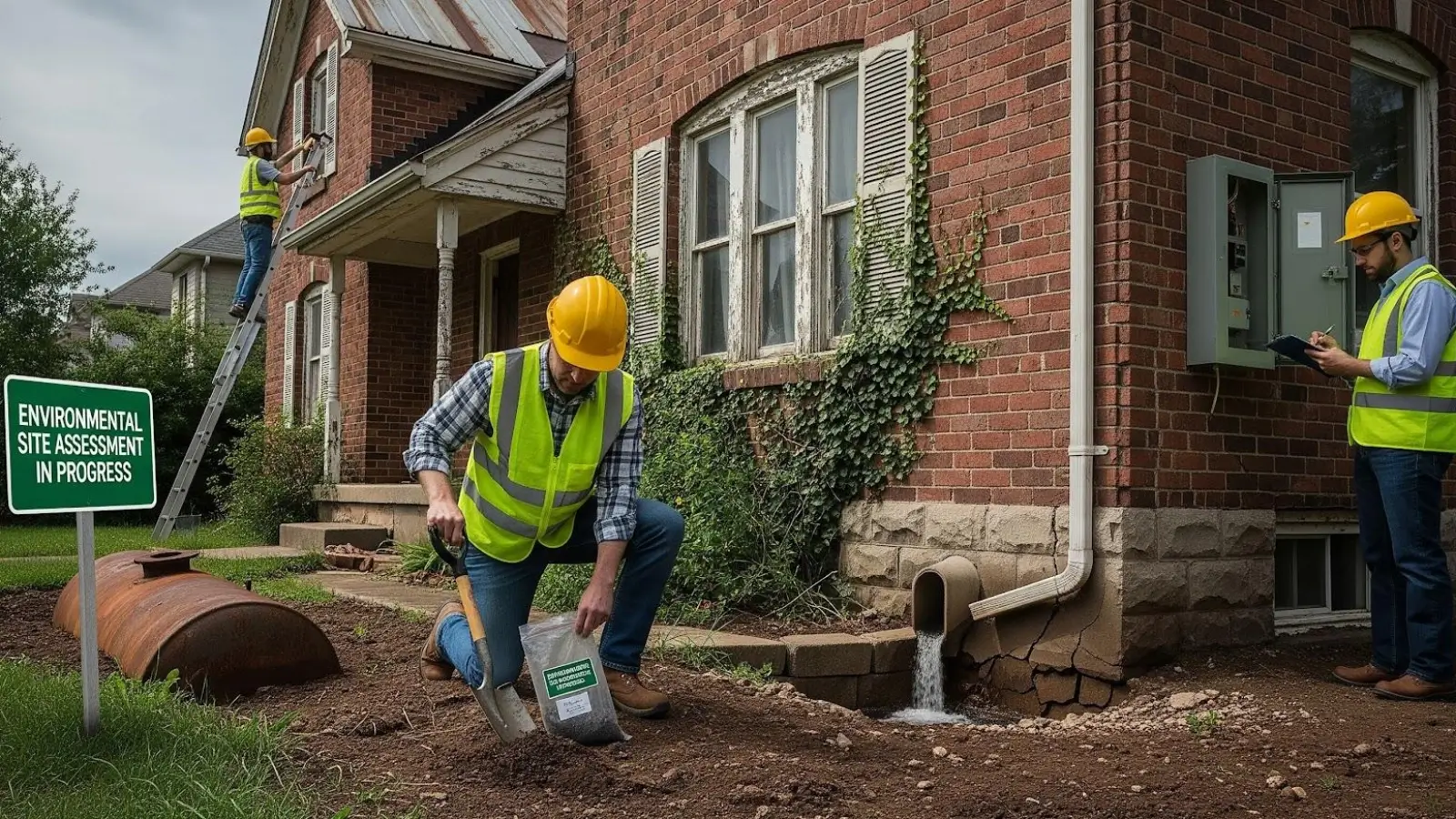
During the middle of the 20th century, underground oil heating tanks were common in most households. When they are not removed, they may rust and spill into the soil.
-
The solution: It is not that bad all the time. In case one is discovered during an inspection, you can engage a tank reroofing service that will perform the refilling and decommissioning process safely without disturbing the entire garden. You only need to be aware of it in advance so that you can take into consideration the cost.
Professional Asbestos Inspections for Pre-1990 Homes
Assume asbestos in a house that had been constructed or renovated before 1990. It was applied in all areas such as eaves, wall linings to the vinyl floor tiles.
When to worry:
-
Good condition: It is generally safe in case it is sealed and painted.
-
Poor quality: When it is broken, sanded, or crumbling it emits harmful fibers.
The Tip: A typical building inspection will be able to guess whether something is asbestos. In case of any renovation, obtain a particular Asbestos Inspection Report. Do not attempt to do the same yourself—it must be done by a licensed professional.
Testing for Lead Paint Hazards and Plumbing Contamination
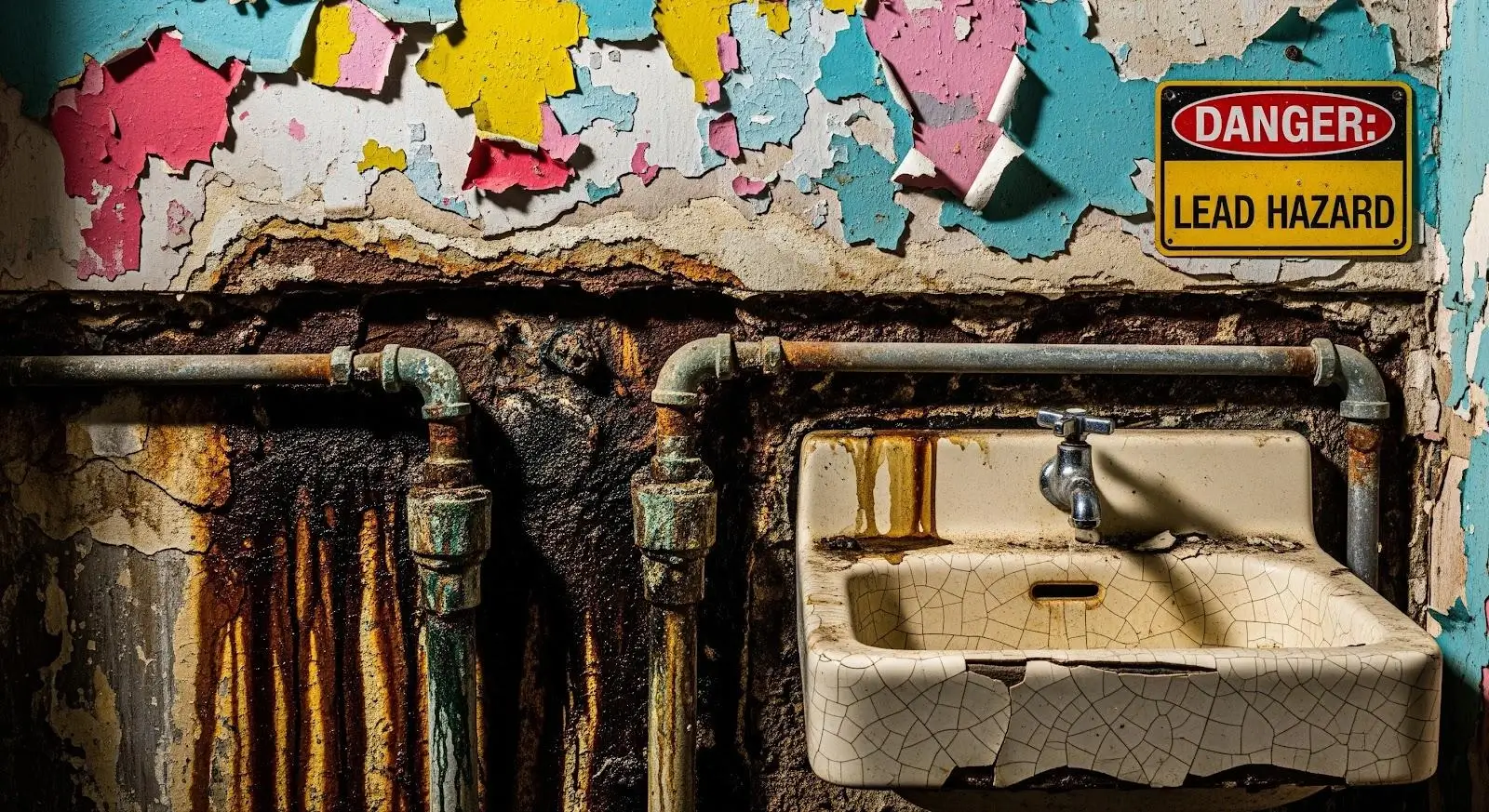
House paint was all lead up to 1970. When purchasing a heritage house with peeling paint, or when you intend on sanding back old window frames, then you may expose yourself to the risk of generating toxic dust.
You must also check the plumbing:
-
The Pipes: Old copper pipes are generally small but the soldering that is used to connect the pipes may have lead.
-
The Water: In case the property is dependent on tank water, old lead flashing of the roof may pollute your drinking water.
The Repair: To test paint to determine whether it contains lead you can purchase simple swab kits. When on tank water, have a lab test done to ascertain that the water is safe to drink.
Detecting Hidden Mould and Rising Damp Issues
Mold is not only unsightly, but it is also dangerous to health. Rising damp is common in old houses since the moisture proofs on the walls have not been properly maintained.
The Smell Test:
When you get into an open house, inhale. Does it smell musty? Do you have the windows opened on a cold day? The agent could be broadcasting it.
It is simple to clean surface mold, but in case the moisture is internal in the walls, it is costly to repair. Request your inspector to test the moisture meter of the walls to check whether the house is wet behind the plaster.
Evaluating Neighborhood Noise Pollution and Air Quality
Environmental checks aren’t just about the houses but the neighborhood as well. Go up to the street on a Tuesday morning, not on a Sunday afternoon when no one is around.
Check for:
-
Flight paths: Are aircrafts flying over the head?
-
Traffic: Are heavy truck roads around there?
-
Zoning: Is the vacant lot next door approved for a high-rise apartment block?
These external problems are something you cannot solve and you must make decisions whether you can live with them or not before purchasing.
Due Diligence for Investment Properties and Co-Living Safety
When you are purchasing this property as a rental, then you have even greater responsibility. Australia has a legal responsibility of landlords to offer a safe home.
This is particularly important when you are intending to co-living investment in which you rent rooms to unrelated tenants. Here you are dealing with a number of individuals who are depending on you to ensure their safety. When you owe several different households a duty of care, you cannot afford to disregard such health hazards as mold or lead.
Conclusion: Balancing Character with Property Safety
Buying an old house is all about balance. You want the charm, but "the bones" of the house really needs to be interesting.
The majority of environmental problems are repairable and they are expensive. These checks will help you to negotiate a lower price or request the seller to solve the issues prior to moving in. Go with your eyes open and you will be able to enjoy your new home in complete peace of mind.
Business Outstanders brings you sharp insights on tech, business, entrepreneurship, law, crypto, and more. We uncover what’s next. Stay updated, sign up for our newsletter and be part of the future!