Introduction: Shaping Mineral Processing for a Resilient Future
The world of mineral extraction and processing is at a crossroads. As worldwide consumption of metals, rare earths, and strategic minerals continues to grow, operators need to make wiser, leaner, and greener technologies a priority. Here, we discuss trends changing the business, company challenges, and how companies can innovate and differentiate. We also button up a pair of key resources out there: mineral process equipment and minerals processing equipment.
Chief Drivers Defining Mineral Processing Nowadays
Increased demand for cleantech materials
Renewables, battery-based road transport, and battery energy storage technologies require metals like lithium, nickel, cobalt, and rare earths. This transformation compels historically established mining industries to modernise and beneficiation where economically feasible of lower‑grade ores.
Environmental and regulatory pressures
Water scarcity, carbon, and tailing management remain increasingly regulated. Process plants need to embrace closed-loop water, low-carbon power, and safer wastage practices.
Digital transformation and automation
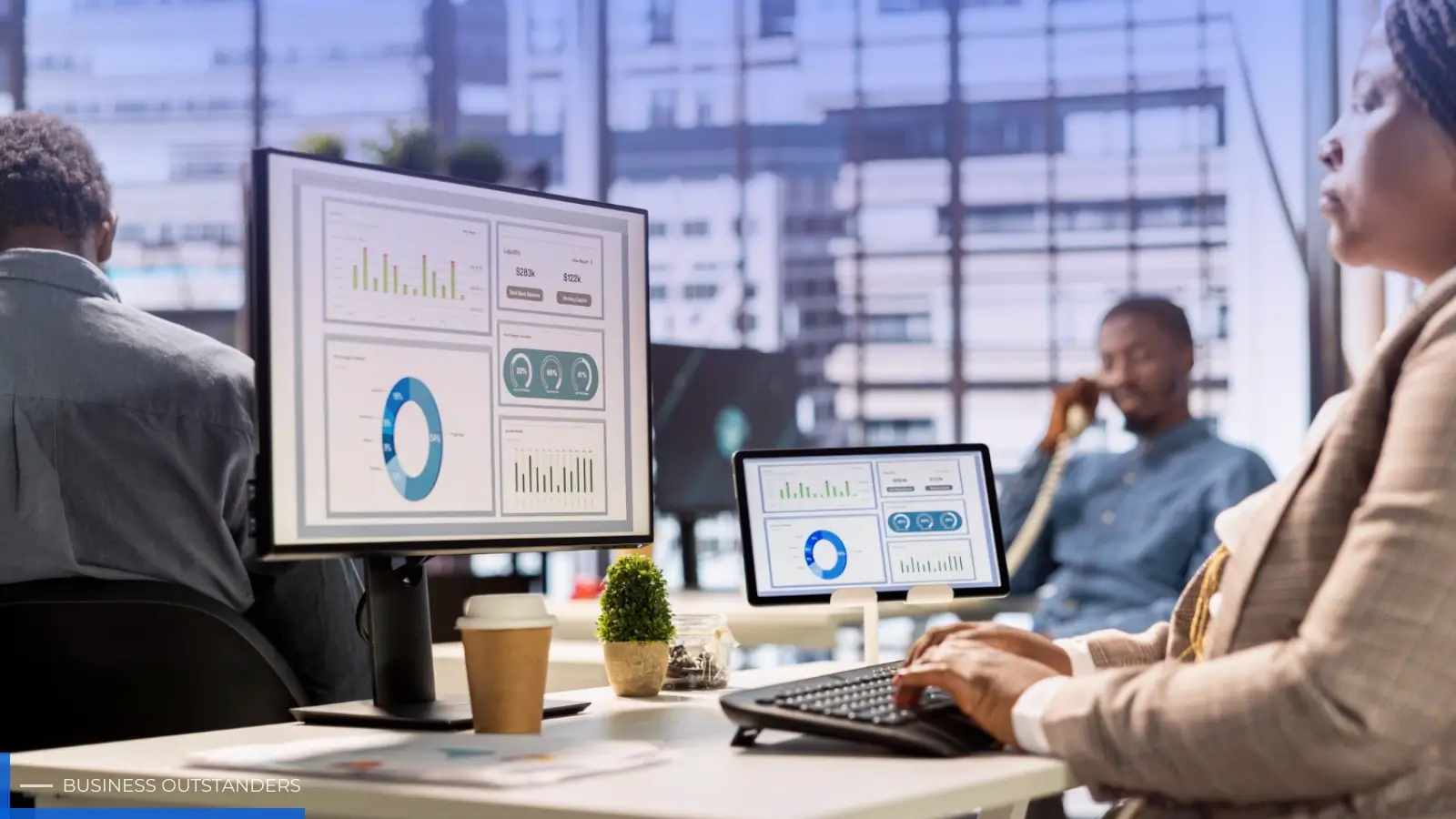
From ores characterized in real time, through predictive maintenance, to AI-based control, plant processes are being improved digitally, so that plants optimize recovery, cut downtime, and decrease operating expense.
Decentralization and modularization
Smaller, modular processing centers (e.g., containerized plants) make remote-area mining feasible and decrease capital and logistics inheritances. Flexibility creates a competitive advantage.
Mineral Process Equipment Innovations
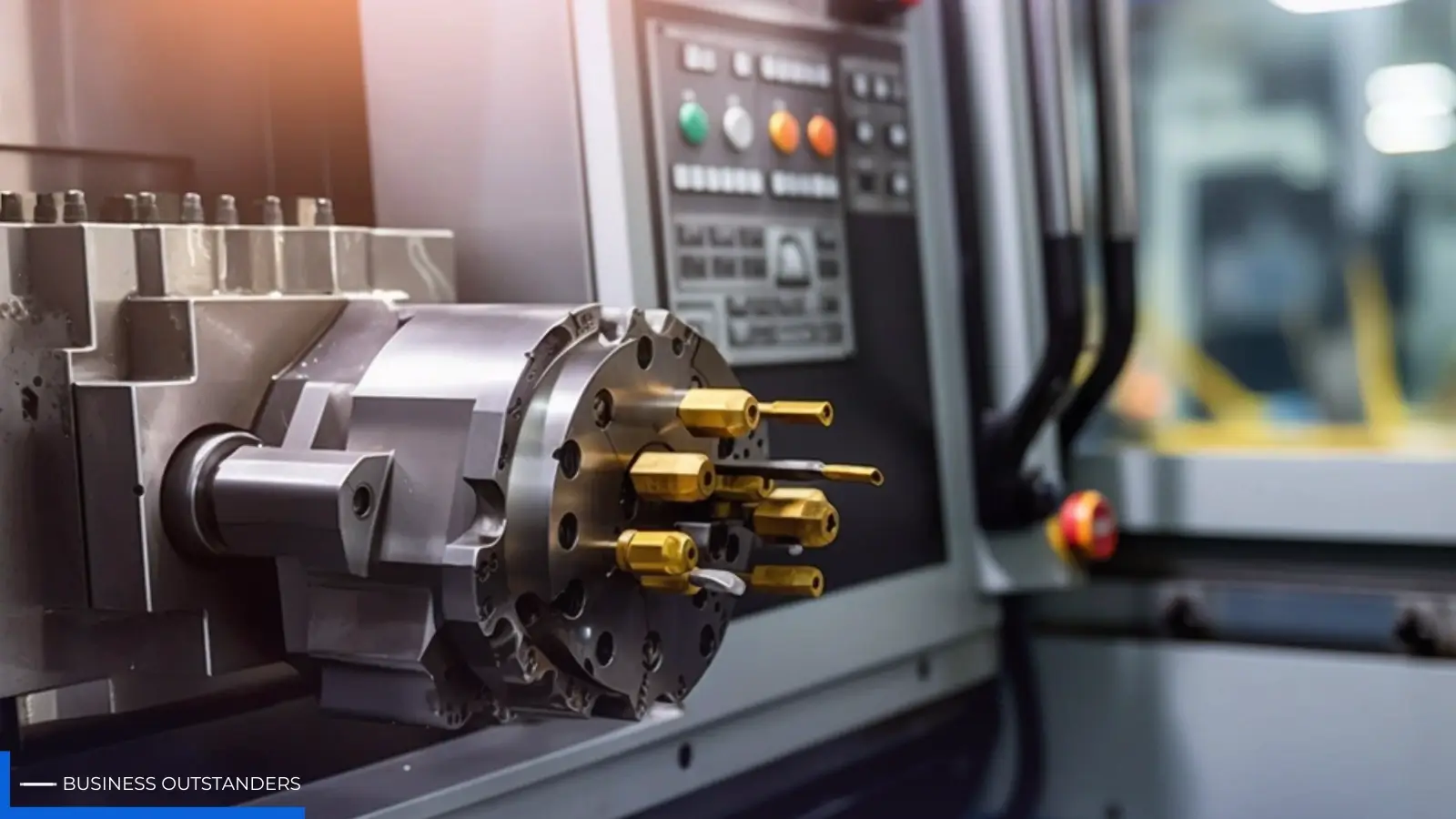
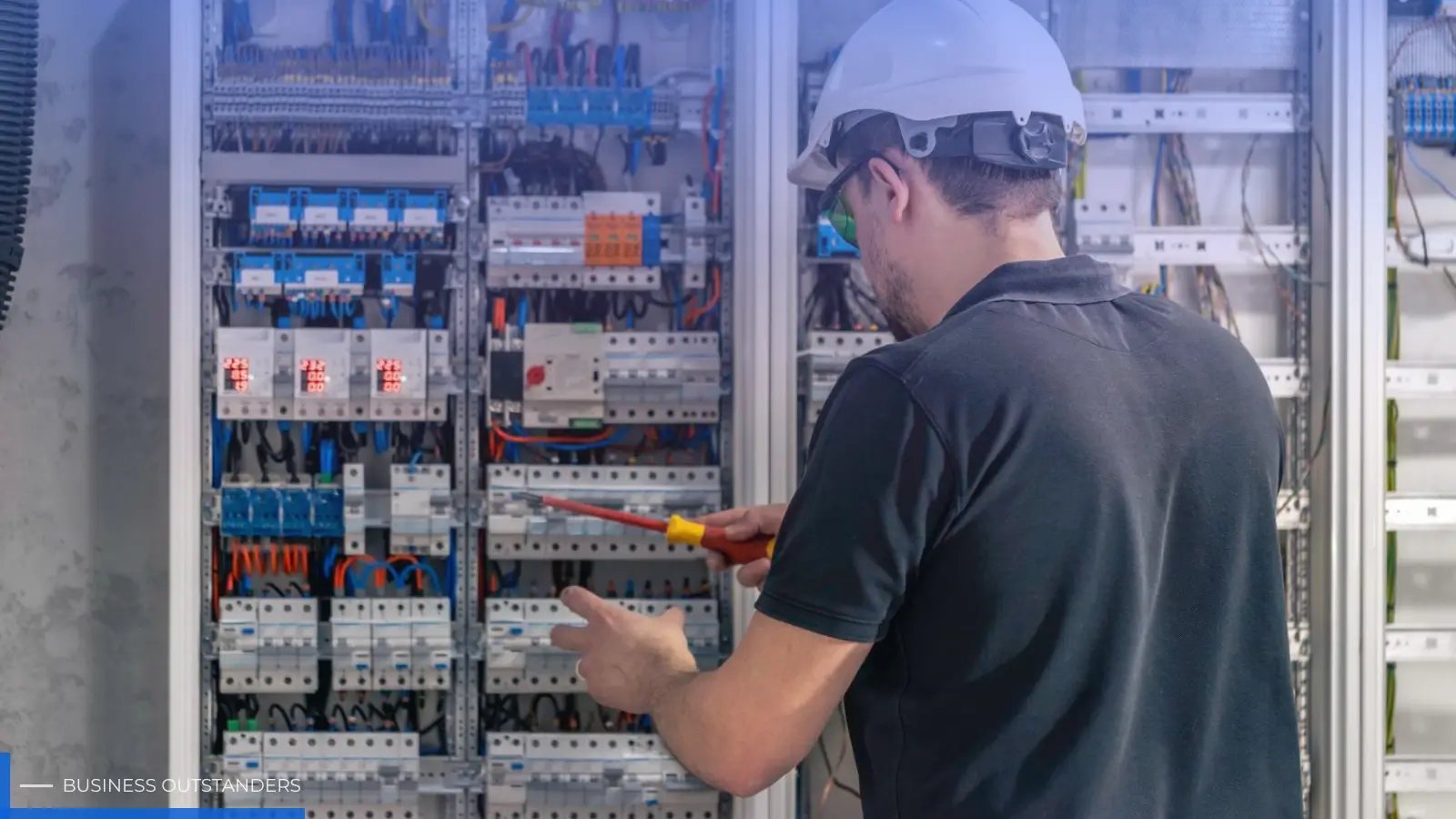
Central to any processing plant is the suite of equipment. Following are some prominent new technologies and trends for plant design:
- High-pressure grinding rolls (HPGRs) — less energy intensive than traditional mills, with less power usage and thinner product outputs.
- Expanded flotation cells and columns — improved shear control, improved bubble–particle contact, and enhanced separation performance.
- Sensor-based ore sorting & real-time analyzers — install XRF, LIBS, NIR sensors to sort ore streams prior‑processing.
- Dry processing and less water using technologies — particularly for desert areas, for less water footprint.
- Intelligent tools with integral instrumentation — vibration, temperature, and wear sensors leading into controlling devices.
These are all members of the general class of minerals processing gear, which includes crushers, mills, cyclones, classifiers, pumps, and separators. Selecting the correct combination — and adjusting it correctly — can have a radical impact on yield, throughput, and operating expense.
For some state‑of‑the‑art details, refer to minerals process equipment and minerals processing equipment.
Deployment and Operating Challenges
Despite salubrious tech, implementation has barriers:
- Capital intensity & payback risk: Replacing or acquiring a new plant requires a lot of capital outlay.
- Integration difficulty: Migrating new modules with legacy infrastructure is not easy.
- Skill gaps: Highly skilled operators for high-end systems, data analysis, and maintenance are rare in several mining areas.
- Reliability under severe conditions: Most failures of equipments are due to abrasives wear, corrosion, or abrupt variations of feed.
- Sustainability requirements: Lifecosts (water, energy, tailings) need to be factored, not merely initial CAPEX.
Therefore, successful companies accompany equipment purchase with strong process modeling, pilot validation, and a culture of permanent optimization.
Strategies for Competitive Advantage
The Following Are Some Strategies for Companies to Keep Up:
- Take a pilot-first, module mind-set: Pilot small, prove performance, then scale.
- Adopt digital twins & simulation: Simulation of plant virtual models to try scenarios and identify bottlenecks.
- Carry out predictive maintenance: Schedule maintenance based on sensor information prior to failures, minimizing downtime.
- Emphasis on overall cost of ownership: Consider water, energy, and consumables, rather than mere cost of gear.
- Build strategic alliances: Engage with tech suppliers, academia, and startups for earlier exposure to innovations.
Conclusion
In summary, the future of mineral processing hinges on embracing innovative, sustainable, and digital technologies. Companies that adopt modular designs, leverage advanced equipment, and prioritize predictive maintenance will gain a competitive edge. Overcoming challenges like high capital costs and skill gaps requires strategic planning, pilot testing, and strong collaborations. Ultimately, those who proactively innovate and optimize will be best positioned to thrive in a rapidly evolving industry focused on greener and more efficient mineral processing.
Business Outstanders brings you sharp insights on tech, business, entrepreneurship, law, crypto, and more. We uncover what’s next. Stay updated, sign up for our newsletter and be part of the future!