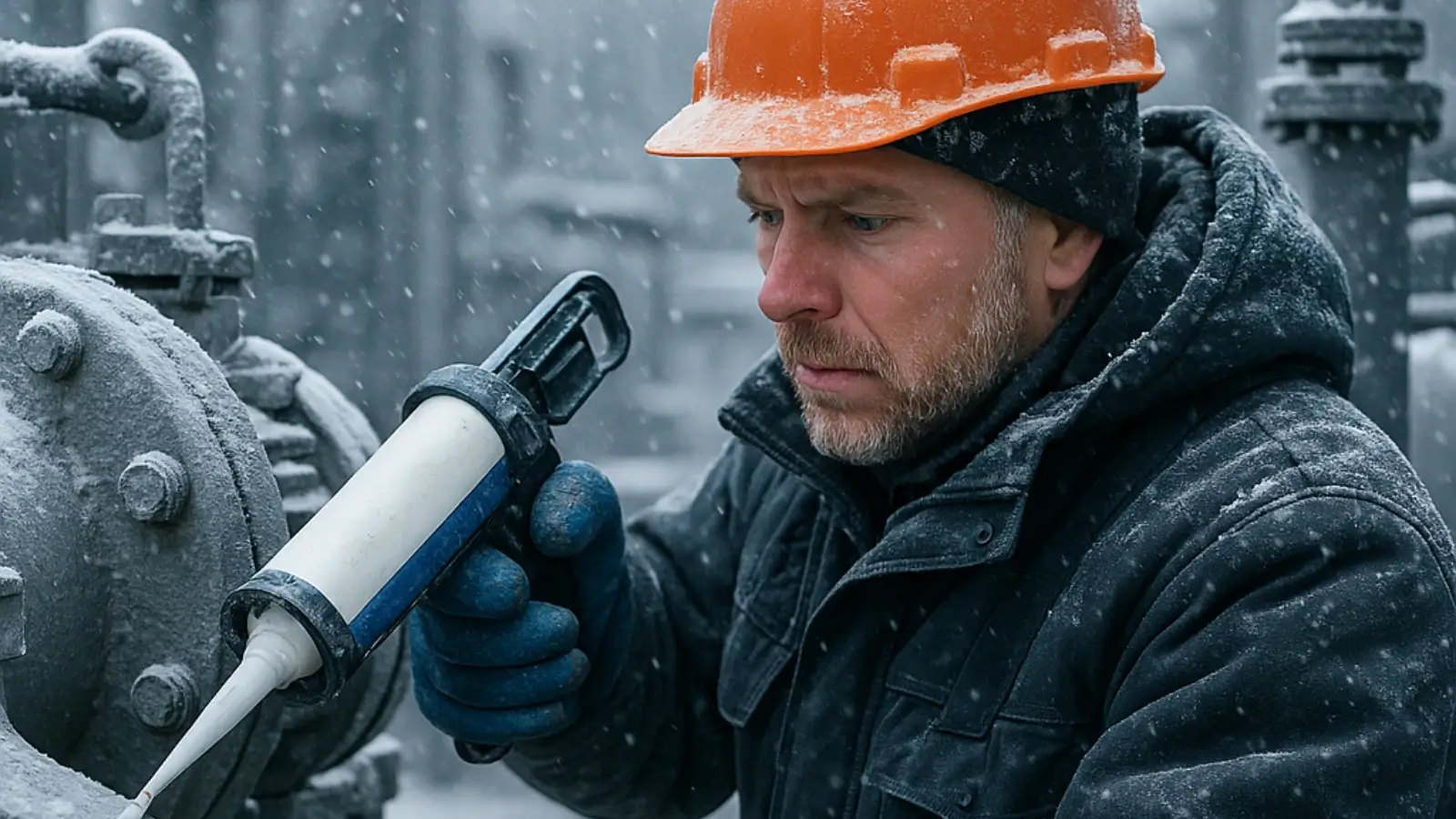
Manufacturing today looks very different from what it was even a decade ago. These days, products are expected to perform in tougher environments. Supply chains stretch across extreme climates. And industries demand materials that can withstand temperature swings without failure. As a result, manufacturers have been rethinking the way components are bonded, sealed, and assembled.
This shift has led to a major rise in the use of cold-temperature adhesives. These specialized adhesives are engineered to maintain strength, flexibility, and durability even in freezing or sub-zero conditions. Whether it’s Arctic logistics, industrial freezers, or temperature-sensitive electronics, cold-resistant bonding solutions are becoming essential to modern production.
Having said that, here are the top reasons these adhesives are gaining prominence across industries.
1. Maintain Strong Bonding Performance in Harsh Environments
Manufactured products today often travel farther, face wider climate variations, and must operate in outdoor settings where extreme weather is the norm. Traditional adhesives tend to harden, crack, or lose tack when temperatures drop. Cold-temperature adhesives, however, are formulated to stay flexible and maintain bond strength even when exposed to freezing conditions.
Industries relying heavily on cold-resistant bonding include:
- Aerospace, where aircraft components must endure high-altitude cold.
- Cold storage and refrigeration, where parts operate in below-zero environments.
- Automotive, especially in regions with harsh winters.
- Energy and utilities, such as wind turbines and outdoor electrical systems.
By ensuring that materials stay securely bonded under these demands, manufacturers prevent failures that could lead to costly repairs, safety issues, or production delays.
2. Provide Reliability Where Traditional Adhesives Fail
One of the biggest reasons manufacturers turn to cold-temperature adhesives is simple: nothing else works as reliably. In ultra-low conditions, many standard adhesives lose viscosity or become brittle, compromising their ability to hold components together.
This is why engineers look for the best adhesive for cold temperatures like those offered by Permabond. They are formulated specifically to perform when temperatures fall far below freezing. They use advanced chemistries that allow them to resist shock and stay bonded even under thermal contraction.
Their enhanced reliability supports:
- Equipment operating in remote, freezing regions.
- Electronics are exposed to temperature fluctuations.
- Outdoor installations that must survive winter cycles.
- Shipping and logistics products that travel through cold supply chains.
Reliability isn’t just a performance advantage—it’s a cost-saving advantage, preventing product returns, warranty claims, and structural failures.
3. Improve Durability and Extend Product Lifespan
Manufacturers today care deeply about durability. With customers expecting long-lasting products, companies cannot risk weak bonding in environments that experience freezing temperatures. Cold-resistant adhesives help maintain structural integrity by supporting materials through expansion and contraction cycles.
When metals, plastics, or composites shrink in cold conditions, some adhesives crack under pressure. Cold-temperature formulas, however, are engineered to absorb stress and maintain flexibility.
Durability benefits include:
- Protection against cracking, splitting, or bond failure.
- Better impact resistance, especially in frozen environments.
- Longer lifespan for outdoor or industrial equipment.
- Reduced need for frequent repairs or replacements.
In industries like construction, transportation, and manufacturing, better durability also translates into a stronger brand reputation and customer trust.
4. Enable Innovation in Extreme-Environment Product Design
Modern engineering pushes boundaries. Products are expected to work in places where human hands rarely go—high mountains, polar regions, deep storage facilities, and harsh outdoor climates. Cold-temperature adhesives make this innovation possible by allowing manufacturers to design for environments that used to be considered too challenging.
Their role in innovation includes:
- Allowing lightweight materials to be bonded where welding isn’t feasible.
- Supporting advanced composites used in aerospace and automotive sectors.
- Enabling smart devices to function in variable weather conditions.
- Allowing manufacturers to create energy-efficient, temperature-resistant systems.
Because adhesives behave predictably even in low temperatures, engineers have more freedom to experiment with design, structure, and functionality.
5. Support More Sustainable Manufacturing Practices
Sustainability is now a key priority for global manufacturing. Cold-temperature adhesives contribute to greener production in several ways:
- They reduce the need for mechanical fasteners, decreasing metal waste.
- They support lightweighting in vehicles and aircraft, reducing fuel consumption.
- They extend product life, lowering replacement frequency.
- They help maintain energy efficiency in refrigeration and insulation systems.
By improving both durability and efficiency, these adhesives help businesses meet environmental goals without compromising performance.
Conclusion
As industries evolve, so do the demands placed on the materials and technologies behind them. Cold-temperature adhesives are emerging as indispensable tools in modern manufacturing. It’s because they solve a very real challenge: maintaining strength, reliability, and flexibility in environments that would normally break down traditional bonding methods.
Whether used in aerospace, automotive, cold storage, electronics, or outdoor infrastructure, these adhesives empower engineers to build products that last longer, perform better, and function reliably in harsh climates. With performance expectations rising and technology advancing, their role will only continue to grow.
Business Outstanders brings you sharp insights on tech, business, entrepreneurship, law, crypto, and more. We uncover what’s next. Stay updated, sign up for our newsletter and be part of the future!