What Every Operator Gets Wrong About Electric Hoists, And How to Choose Smarter
A load slips. The lift slows down. The motor overheats. A simple misjudgment in hoist selection can throw off hours of work, or worse, put people in danger. The truth is, finding the best electric hoist for the job isn’t about chasing raw strength. It’s about matching the hoist to the environment, the load weight, the overhead structure, and how frequently and quickly the lift needs to happen.
Companies like Zentratec bring over four decades of experience in industrial hoists and serve as a master distributor of STAHL CraneSystems. Their focus goes beyond selling, they help operators figure out which option truly is the best electric hoist for their specific needs.
Across Mexico, the U.S., and Latin America, Zentratec have built their name on solving real lifting problems with practical, experience-backed advice. Often, what teams are missing isn’t horsepower. It’s guidance.
The Real Choice: Precision or Power?
There are two big paths: electric chain hoists and electric wire rope hoists. Both run on electric motors. Both lift heavy loads. But choosing the wrong one can mean the difference between smooth daily lifts and unexpected downtime.
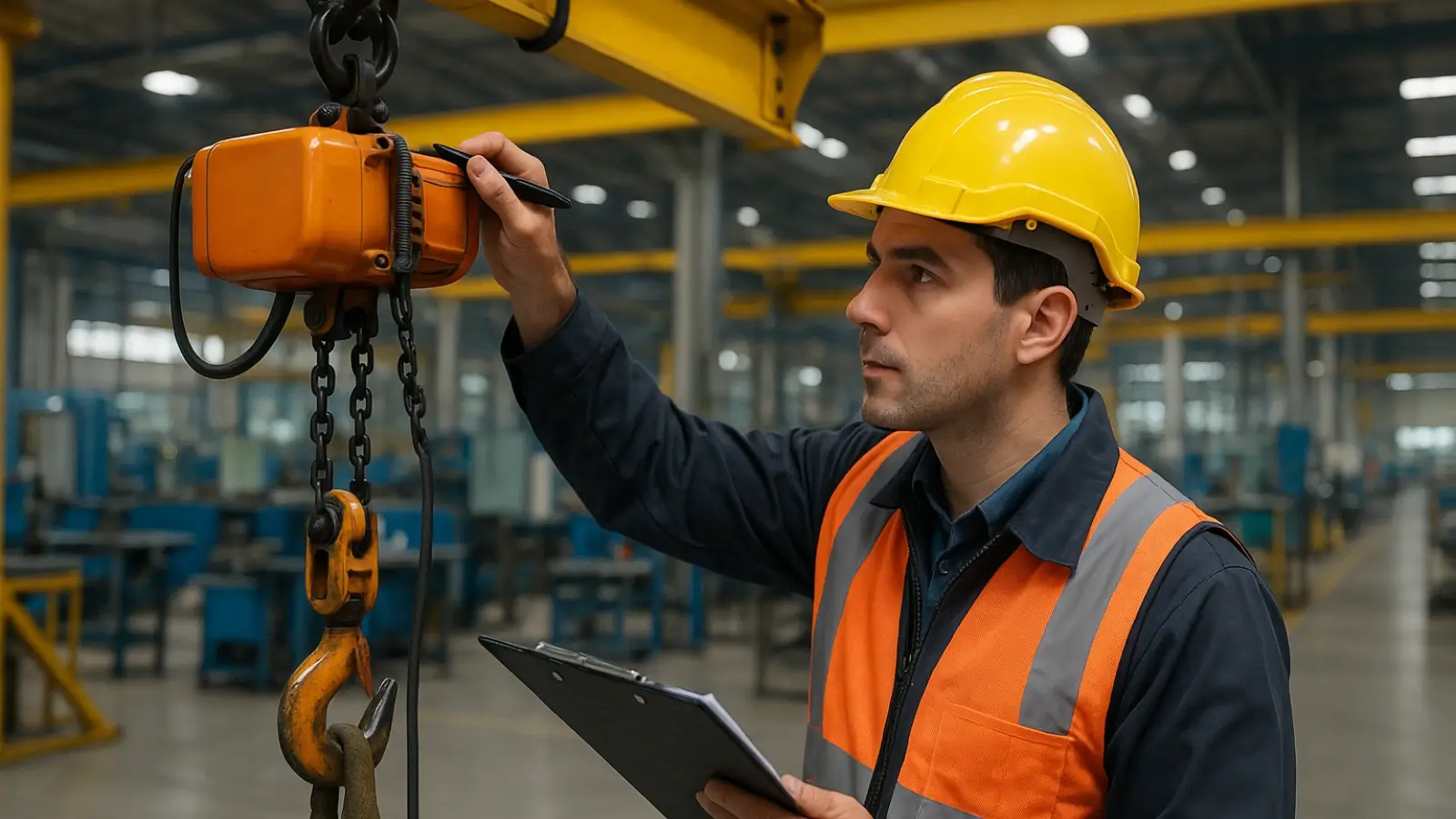
Electric chain hoists are compact, hook-mounted, and ideal for jobs with lower ceiling clearance. They shine in workshops and spaces where loads stay under 5 tons and where variable speed lifting is not a top priority. They're cost-efficient, easy to install, and reliable across countless small-to-medium industrial applications.
Wire rope hoists, on the other hand, are built for long lifts, higher speeds, and repetitive heavy-duty use. These units are ideal for demanding plants, think cement, energy, petrochem, and mining, where loads exceed 3 tons and must be moved at pace, hour after hour.
Zentratec’s team spends less time pushing products and more time walking clients through those differences. Their engineers break down site conditions, lifting height, load weight, and duty cycles before pointing to the right setup, be it a trolley-mounted chain hoist with pendant control or a bridge crane system paired with high-capacity wire rope components.
Why Load Ratings Aren’t Enough
Too many operators shop by maximum capacity alone. But lifting a 3-ton load with a 3-ton hoist wears down the motor faster than expected. Zentratec recommends choosing a hoist with at least 20–25% overhead on your heaviest lift. It protects the motor, extends lifespan, and avoids mid-operation stalls.
Then there’s duty class. Not all electric hoists are built to run continuously. A low-duty class hoist in a high-traffic setting leads to overheated motors and lagging lifts. STAHL’s electric hoists, available through Zentratec, are rated for high-frequency use, with motors built to handle tough shifts without grinding to a halt.
Compact Doesn’t Mean Weak
Chain hoists often get labeled as the “budget” option. But in the right environment, a properly matched electric chain hoist outperforms larger rope hoists in reliability and ease of use. Models like the hook-mounted STAHL ST series are built for precision work, where lowering accuracy matters more than speed. It's perfect for metalworking shops, packaging stations, or tight urban workshops where space comes at a premium.
Electric chain hoists also offer mobility when mounted on a trolley, giving operators flexibility to move along beams and adjust to evolving floor layouts.
A Breakdown of Features Worth Paying For
Every hoist has a hook, a motor, and a load chain or rope. But beyond those basics, a few features separate the good from the dependable.
-
Variable speed control makes fine adjustments easier and prevents jolts during lifts.
-
Overload protection cuts power when weights exceed safe levels.
-
Limit switches stop motion before the hoist overruns its travel path.
-
Remote controls eliminate pendant cable clutter and let operators step back while working.
-
Compact headroom helps fit systems under tight ceilings or mezzanines.
Zentratec’s team advises clients on which features actually improve productivity, and which ones add cost without much return. A good hoist isn’t just strong. It’s built for the specific application, movement pattern, and workflow of your shop or site.
Hoists Break When They’re Misapplied
More than a few plant managers have bought powerful hoists, only to replace them within a year due to overheating or poor fit. It often comes down to misapplication, choosing based on price or specs, instead of performance under real-world conditions.
Zentratec avoids that problem by analyzing how often the lift runs, how far it travels, how stable the beam is, and what kind of hook or trolley setup will help, not hinder, your operation. The result? Fewer breakdowns. Less downtime. Better return on every peso, dollar, or hour spent on the install.
What a Smarter Hoist Setup Looks Like
A food processing plant in Colombia. A mining operation in Chile. A heavy fabrication workshop in Mexico. Each had different challenges, but they shared one thing: off-the-shelf solutions and manual hoists weren’t cutting it anymore.
In every case, Zentratec’s engineers got involved early. They studied the load paths, checked power specs, and matched the right hoist to the job—not just for lift strength but for smarter control. From trolley-mounted setups in tight shops to full bridge crane systems in open bays, the fit had to be exact.
They didn’t just plug in a product. They upgraded the entire lift process. The result? Faster, more accurate lifts. Smoother material flow. Less fatigue for workers. These weren’t guesses. They were upgrades powered by some of the best electric hoists available, each selected for its advanced lifting capabilities and built to handle the kind of weight and speed these industries demand.
That’s what real ultimate lifting looks like—custom setups, smart choices, and zero compromises.
Frequently Asked Questions
What’s the main advantage of using a trolley mounted electric hoist?
It allows smooth, controlled movement along a beam, which is ideal when space is limited and precise load placement is critical.
Is durability a concern with frequent lifting?
Yes, frequent use wears down cheap setups fast, so choosing hoists known for their durability saves you money and downtime.
When is a manual hoist better than an electric one?
Manual hoists work best in low-lift, low-use settings where power isn’t available and money needs to be saved upfront.
Can a trolley hoist be installed in tight or irregular spaces?
Yes, trolley setups are highly adaptable and can be mounted even in limited or oddly shaped work areas.
What’s a common concern when upgrading from manual to electric hoists?
A frequent concern is compatibility with existing structures, which is why proper mounting and trolley choice matter.
Are trolley mounted hoists harder to maintain?
No, most trolley mounted hoists are designed for easy maintenance and built to last with minimal upkeep.
How much money should I budget for a durable hoist setup?
Expect to spend more upfront for durability, but it pays off in long-term savings on repairs, downtime, and replacements.
Business Outstanders brings you sharp insights on tech, business, entrepreneurship, law, crypto, and more. We uncover what’s next. Stay updated, sign up for our newsletter and be part of the future!