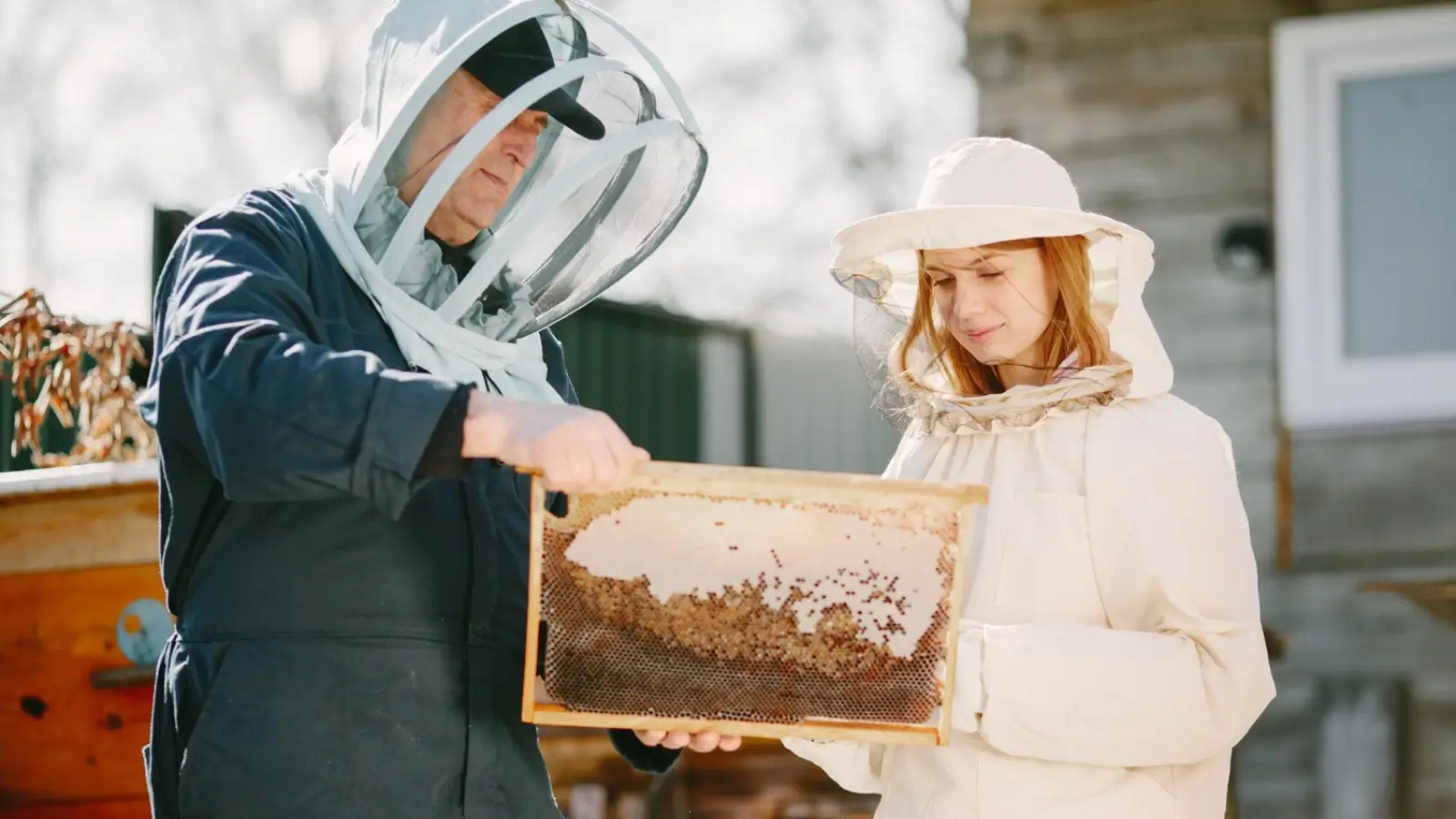
When it comes to working with honeybees, confidence and safety go hand in hand. Whether you're tending to a single backyard hive or managing multiple colonies, your beehive outfits is one of the most essential pieces of beekeeping equipment you’ll ever own. A high-quality outfit not only protects you from stings but also helps you work more comfortably, stay calm around your bees, and enjoy the experience fully.
From choosing the right beekeeping suit to caring for your equipment, here are the top 10 things every beekeeper should know about their beehive outfit.
1. Understand the Purpose of Beehive Outfits and Protective Gear
A good beekeeping outfit is much more than just clothing—it’s a complete protective system. Beehive outfits are designed to shield beekeepers from stings, minimize skin exposure, and keep bees from getting trapped inside clothing.
Sting-proof bee suits use specialized materials, elastic closures, and secure zippers to create barriers between your body and the bees. Wearing proper protective beekeeping gear boosts your confidence, allowing you to handle hives calmly and avoid accidental disturbances that could aggravate the colony.
2. Full Beekeeping Suit vs. Bee Jacket: Choosing What’s Right for You
One of the first decisions a beekeeper makes is choosing between a full beekeeping suit and a bee jackets. Both offer benefits, but the right choice depends on your experience level, climate, and beekeeping style.
Full Beekeeping Suit
-
Offers total body coverage
-
Ideal for beginners
-
Reduces sting risk significantly
-
Suitable for handling aggressive colonies
Bee Jacket
-
More lightweight and flexible
-
Better for quick hive inspections
-
More breathable in warm climates
While jackets provide convenience, a full suit remains the preferred option for beekeepers wanting maximum protection from head to toe. If you're new to the craft, investing in a full suit is often the safest choice.
3. Material Matters: What Your Beekeeping Suit Is Made Of
Not all beehive outfits are created equal—especially when it comes to fabric. Different materials offer varying levels of comfort, durability, and airflow.
Cotton Beekeeping Suits
-
Traditional and durable
-
Comfortable and soft
-
Heavier and warmer
Poly-Cotton Blends
-
Lightweight yet strong
-
Less heat retention
-
Easier to wash and dry
Ventilated Bee Suits
-
Built with three-layer mesh for airflow
-
The best option for hot weather
-
Provide sting protection while keeping you cool
As more beekeepers work during the peak of summer, ventilated bee suits have become extremely popular. They help prevent overheating and fatigue—two common challenges during long hive inspections.
4. Fit Is Everything: Sizing Your Beekeeping Suit Correctly
One of the most common mistakes beekeepers make is choosing a suit that fits too tightly. Your beehive outfits should fit loosely enough to create space between the fabric and your skin. This helps prevent bee stingers from reaching your body through the material.
Signs of a Proper Fit
-
Comfortable arm and leg movement
-
Elastic snug around wrists and ankles
-
Plenty of space in the torso
-
Secure, sting-proof closures
A well-sized suit keeps bees out while allowing you the freedom to bend, lift, and move naturally. If you're between sizes, it’s usually safer to size up.
5. The Veil and Helmet: Your Most Important Protective Feature
Your face and head require the most protection, which is why every beekeeping suit includes a veil. High-quality veils use strong mesh that maintains visibility while keeping your face fully shielded.
Common Veil Styles
-
Round veil – best airflow and visibility
-
Fencing veil – close-fitting, great for mobility
-
Collapsible veil – easy storage and transport
The veil should attach securely to the suit with zippers or Velcro, leaving no gaps. If bees find their way inside your veil, it can quickly escalate into a stressful situation—so this part of your protective beekeeping gear needs to be reliable.
6. Don’t Underestimate Your Beekeeping Gloves
Your hands are the first point of contact during hive inspections, making beekeeping gloves essential. They come in a variety of materials suitable for different skill levels.
Types of Gloves
-
Leather gloves – strong and sting-resistant
-
Goatskin gloves – flexible and comfortable
-
Ventilated gloves – ideal for hot weather
Beginners often prefer thicker gloves for full protection, while experienced beekeepers may choose thinner gloves for better dexterity. No matter the material, gloves should extend past the wrist and tuck securely into the suit’s sleeves.
7. Details That Matter: Zippers, Elastic, and Stitching
When choosing a beehive outfit, pay attention to the small details—they can make a big difference in safety and durability.
Look for Features Like:
-
Strong YKK zippers
-
Reinforced stitching
-
Elastic around the waist, wrists, and ankles
-
Velcro flaps over zipper ends
-
Double-stitched seams to prevent tearing
Poor stitching or weak closures create the perfect opportunity for bees to sneak inside your clothing. High-quality craftsmanship ensures your suit lasts for years without compromising protection.
8. How to Properly Maintain and Clean Your Beehive Outfits
A well-maintained suit keeps you safe, looks professional, and lasts longer. Over time, beekeeping suits collect smoke, propolis, wax, and dirt—especially around the cuffs, knees, and veil.
Care Tips for Beehive Outfits:
-
Wash your suit regularly in cold water
-
Avoid harsh chemicals or bleach
-
Air-dry to preserve elasticity and mesh
-
Spot-clean propolis with rubbing alcohol
-
Store in a dry, clean area away from sunlight
Proper care also prevents your suit from absorbing hive odors, which can attract bees during inspections.
9. Seasonal Considerations: Using Your Beekeeping Outfit Year-Round
Beekeeping is a seasonal activity, and your beehive outfit should match the demands of the weather.
Summer Beekeeping
-
Choose lightweight or ventilated bee suits
-
Prioritize airflow to prevent overheating
-
Wear moisture-wicking layers underneath
Spring and Fall
-
Regular cotton or poly-cotton suits work well
-
Layers underneath help regulate temperature
Winter (if inspecting cold hives)
-
Thicker materials provide warmth
-
Avoid bulky clothing that restricts movement
Adapt your protective clothing to the season to stay comfortable and safe throughout the year.
10. Know When It’s Time to Replace Your Beehive Outfits
Even the most durable beekeeping suit won’t last forever. Over time, the fabric, zippers, and elastic wear out, increasing your risk of stings.
Signs You Need a New Suit:
-
Torn mesh on the veil
-
Broken or unreliable zippers
-
Frayed stitching around high-stress areas
-
Loose elastic at the wrists or ankles
-
Fading or thinning fabric that no longer blocks stings
Replacing your suit at the right time is essential for maintaining safe, stress-free beekeeping practices. Upgrading your professional beekeeper gear ensures you're always protected when working with your hives.
Final Thoughts
Your beehive outfit is more than just equipment—it's your shield, your comfort zone, and your confidence booster in the apiary. Choosing the right materials, fit, and features can make every hive inspection safer, smoother, and more enjoyable. The right beekeeping gears, from your suit to your gloves and veil, play a major role in protecting you and helping you work with confidence.
With proper care, attention to detail, and an understanding of what makes a beekeeping suit effective, you’ll be well-prepared for every step of your beekeeping journey.
Business Outstanders brings you sharp insights on tech, business, entrepreneurship, law, crypto, and more. We uncover what’s next. Stay updated, sign up for our newsletter and be part of the future!