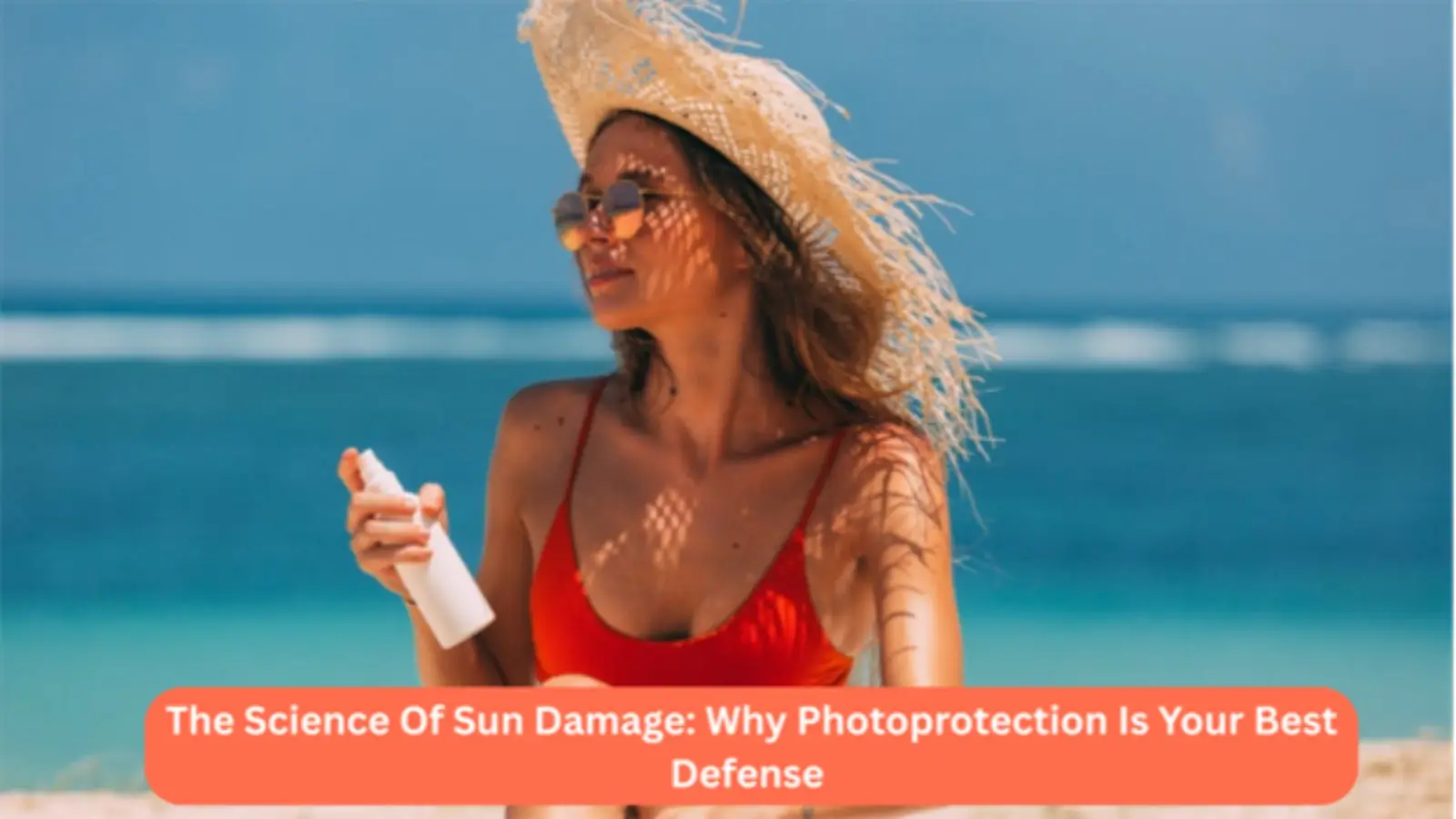
With the step into the sun, we usually embrace its warmth, brightness, and energy. However, a risk is hidden behind that golden light: the ultraviolet (UV) radiation from the sun. In addition to the occasional sunburn, the cumulative exposure to UV is silent and insatiable, harming skin cells, weakening collagen, and hastening the visible signs of aging. It leads to wrinkles, fine lines, uneven tone and even serious health risks such as skin cancer, which is called photoaging.
The good news? Photoprotection is a potent defense mechanism that has been proven useful. Speaking of which, you can keep the skin safe and protected through the use of sunscreen, protective clothing, and smart everyday habits.
However, photoprotection does not just prevent temporary burns — it safeguards the skin's structure and functionality for years to come.
Continue reading to find out how sun damage actually functions and why photoprotection is your ultimate remedy to healthy, resilient, and radiant skin.
1. Prevents DNA breakage and Skin Cancer
The shielding of the skin cells against UV radiation-induced DNA mutation is one of the most important advantages of photoprotection. Specifically, UVB rays can cause damage to genetic material, resulting in errors that occasionally progress to cancer, such as melanoma or squamous cell carcinoma.
Photoprotection sunscreen is a key element here, as it creates a protective layer that either absorbs or reflects the harmful rays before they reach the skin. Also, when used with clothing and shade, it reduces exposure and allows the skin time to heal itself.
Overall, it lowers the risk of cancer in the long run and promotes healthier, more resilient skin by reducing the effects of DNA damage.
2. Slows Premature Skin Aging
Up to 80% of visible skin aging is caused by sun exposure, and photoprotection is directly related to this. Sunscreen and protective clothing prevent the breakdown of collagen and elastin —the proteins that make the skin smooth and firm — by blocking UVA rays that penetrate deep into the dermis. It is beneficial in preventing sagging, wrinkles, and fine lines over time.
This way, photoprotection prevents damage, unlike more costly anti-aging products that repair the damage that has already occurred. The outcome is younger-looking skin that lasts longer and requires fewer corrective surgeries in old age.
3. Avoids Hypertrophic Pigmentation and the Patchy Tone
Excessive exposure to sunlight often leads to excessive melanin production, resulting in freckles, dark spots, and uneven skin tone. Once it occurs, this hyperpigmentation may be difficult to treat.
However, do not worry, as photoprotection (particularly broad-spectrum sunscreen) can inhibit high levels of melanin by blocking UV rays that trigger pigment cells. Its regular use not only minimizes the chance of getting new spots, but it also enhances the brightening effects of other products and treatments.
Over time, photoprotection helps maintain a more balanced complexion, allowing the skin to retain its natural radiance and clarity. Thus, it reduces one of the most noticeable signs of sun damage.
4. Resists Year-Round UV Exposure
Many people believe that it is only necessary to protect against the sun during the summertime or at the beach. However, UVA rays are present all year long, even at home as you sit by a window. These rays enter the skin silently and cause long-term damage. To prevent this, photoprotection offers all-year-round protection regardless of weather or season.
For example, daily sunscreen, UV-protective clothing, or tinted SPF moisturizers help strengthen your skin barrier. That is why you should make this a year-long habit that guarantees cumulative protection.
In short, by integrating photoprotection into their daily lives, people can lessen the damage that results in photoaging, which is better than seeking corrective surgeries.
5. Promotes the Natural Repair of the Skin
The skin itself has its own repair mechanisms, but constant sun exposure can overwhelm the body, causing visible damage.
For this reason, photoprotection is beneficial as it lowers the UV burden on the skin. It even enables repair processes, such as DNA repair enzymes and antioxidant defenses, to be effective. In other words, sun protection does not simply prevent harm; it provides skin with breathing space to heal itself.
This combination of external protection and internal repair results in healthier, stronger and fresher skin with time. Eventually, it leads to breaking the cycle of repeated skin damage and incomplete restoration, which hastens the aging process.
6. Minimizes Swelling and Sensitivity
UV rays can harm skin cells and cause inflammatory reactions that lead to skin irritation and even conditions like rosacea or eczema. Photoprotection suppresses this occurrence by preventing the initial UV harm, maintaining the skin in a calmer state. As a result, it makes the skin less reactive.
More importantly, in the case of sensitive or already weakened skin, this is a big difference in comfort and resilience over time. Photoprotection also stops collagen breakdown by reducing inflammation and maintaining the skin barrier. It is an additional reason to consider it as a protector against not only visible aging but also chronic skin sensitivity.
Conclusion
The sun may be life-giving, but unchecked exposure quietly leaves its mark, etching lines, spots, and deeper risks into our skin. Science makes it clear: while we cannot avoid sunlight altogether, we can choose to defend ourselves against its harsher side.
That said, photoprotection, like sunscreen, is more than a cosmetic product—it’s a daily commitment to skin health, youthfulness, and safety. Also, by pairing it with protective clothing and mindful habits, we safeguard both beauty and well-being.
Therefore, think of photoprotection not as restriction, but as empowerment: the freedom to enjoy the sun while preserving the skin’s vitality for years to come.
Business Outstanders brings you sharp insights on tech, business, entrepreneurship, law, crypto, and more. We uncover what’s next. Stay updated, sign up for our newsletter and be part of the future!