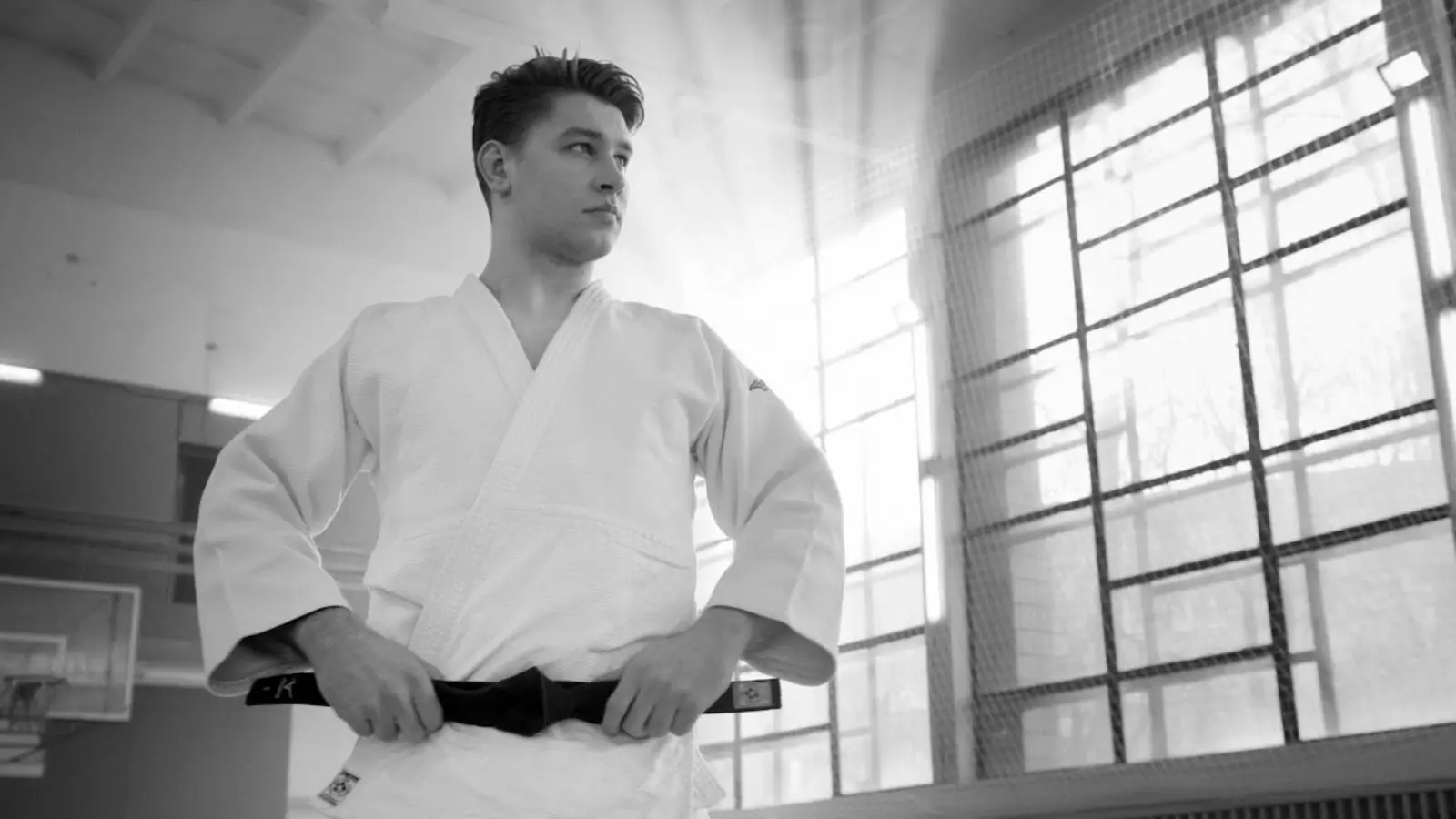
Karate is often associated with children learning self-defense and discipline, but more adults today are embracing it as a way to improve their physical health, sharpen their mental focus, and build confidence. As a traditional martial art, karate combines striking techniques, defensive movements, and deep-rooted philosophies that extend beyond combat training. For adults, it offers not only fitness benefits but also personal growth and stress management.
Understanding Karate as a Martial Art
Karate originated in Okinawa, Japan, and has since evolved into a globally practiced discipline. Unlike sports that focus solely on competition, karate emphasizes a balance between body, mind, and spirit. Practitioners learn techniques such as punches, kicks, blocks, and stances, while also practicing kata (formal patterns of movement) and kumite (sparring).
Karate for adults serves as more than a physical exercise—it is a way of training the mind to stay calm, disciplined, and resilient in everyday life.
Physical Benefits of Karate for Adults
a) Strength and Conditioning
Karate involves full-body movement that strengthens muscles, improves balance, and enhances flexibility. Regular practice builds endurance, coordination, and agility, making it a holistic workout.
b) Weight Management and Fitness
Adults often struggle to maintain fitness routines due to busy schedules. Karate provides an engaging form of exercise that burns calories, tones the body, and promotes cardiovascular health.
c) Injury Prevention and Mobility
The stances and stretches used in karate help improve posture and joint health, reducing the risk of common adult injuries such as lower back pain or stiffness.
Mental Benefits of Karate for Adults
a) Stress Relief
One of the most significant advantages of karate is its ability to reduce stress. The focus required during training helps practitioners set aside daily worries and engage fully in the present moment.
b) Discipline and Self-Control
Karate encourages respect, patience, and self-control—qualities that extend into professional and personal life. Adults often find that this discipline improves decision-making and focus outside the dojo.
c) Confidence and Empowerment
Learning self-defense skills empowers adults by giving them confidence in their ability to protect themselves. This self-assurance can positively influence both social and professional interactions.
Karate as a Lifelong Practice
Unlike many sports that become difficult with age, karate is adaptable to different fitness levels and stages of life. Adults in their 30s, 40s, and even beyond 60 can benefit from consistent practice. The training intensity can be adjusted to match personal needs, making karate a lifelong pursuit.
Overcoming Common Misconceptions
Many adults hesitate to begin karate because they believe it is only for children or highly athletic individuals. In reality, karate welcomes practitioners of all backgrounds, body types, and skill levels. Another misconception is that karate is purely about fighting, when in fact, its philosophy emphasizes peace, respect, and self-improvement.
Karate for Adults in Modern Times
Today, karate continues to evolve with a focus on wellness, personal growth, and self-defense. In an age of sedentary lifestyles and increasing stress, karate offers adults a structured path to regain balance. Its blend of physical conditioning, mindfulness, and cultural tradition makes it a valuable practice for modern living.
Conclusion
Karate for adult is more than a martial art—it is a discipline that nurtures both physical and mental strength. It promotes health, resilience, and confidence while teaching values that enrich daily life. Whether pursued for fitness, stress relief, or personal development, karate remains a timeless practice that helps adults achieve balance and empowerment at any stage of life.
Business Outstanders brings you sharp insights on tech, business, entrepreneurship, law, crypto, and more. We uncover what’s next. Stay updated, sign up for our newsletter and be part of the future!