Games play a vital role in childhood development. From traditional outdoor activities to modern digital experiences, games for kids are more than just entertainment. They help children learn, grow, and develop essential life skills. In today’s fast-paced world, understanding the best games for kids and the benefits of games for children can help parents and caregivers make informed choices that support healthy development.
Why Games Are Important for Kids
Children pick up things faster when they’re doing something hands-on - games make that happen naturally. Take any kind of game, like a basic board version, outdoor sport, or even a digital puzzle - you’ll see kids getting curious and trying new stuff. Instead of just being told what to do, they get to try out thoughts, figure out solutions, and have fun hanging out with friends.
Time to play lets kids step back from school stuff, so they can refresh their mood and focus. Mixing fun with rest boosts happiness, helping youngsters stay keen and confident.
Best Games for Kids by Category
1. Educational Games
Educational games mix school stuff with playtime. Things like spelling quizzes, number riddles, matching tasks, or brain teasers count here. These boost thinking abilities - focus, figuring things out, handling tricky questions. Plus, they get kids to actually enjoy studying, turning hard ideas into simpler ones.
2. Outdoor and Physical Games
Chasing games like tag or hide-and-seek get kids moving just as much as kicking a ball around or riding bikes. They build better control over body movements, plus they boost stability while making muscles stronger over time. Moving regularly doesn't just help bones and joints grow right - it also keeps weight-related issues at bay during early years.
Funny enough, outside play shows kids how to work together or take charge when needed. Hanging out with friends while playing teaches them to stick to limits and value people around.
3. Board and Family Games
Chess or ludo, plus similar card-based play, build planning skills while slowing things down a bit. Great for bringing families together, sparking chats, creating shared moments. Kids learn timing - when to act, how to react - with wins or losses shaping calm responses. Talking becomes natural, not forced, during rounds of such activities.
Game nights at home help bond people, build good moments plus boost feelings - all while keeping things fun.
4. Creative and Imaginative Games
Creative play like pretending, doodling tasks, stacking toys, or making up stories lets kids show who they are. Because of this kind of fun, young minds dream bigger, invent wild scenes. By acting out characters or trying new ideas, little ones test how the world might work.
Playing pretend really matters for learning emotions - kids start noticing how others feel while acting out scenes or making up stories because they get into different roles naturally when interacting together.
5. Digital Games (In Moderation)
Young kids can learn from video games - if they don't spend too much time playing. Some games help build problem-solving skills instead of just wasting hours. With parents checking in now and then plus setting clear boundaries, screen fun fits into real-life balance.
Reliable platforms such as https://feedbuzzard.com/ often explore trends in entertainment and gaming, making it easier for parents to stay informed about quality content.
Benefits of Games for Children
1. Cognitive Development
Gaming boosts memory, focus, plus logical reasoning. Puzzles or tactics-based play push kids to plan moves, spot sequences, and choose actions. Such abilities help with schoolwork along with handling daily challenges.
2. Social Skills
Playing games alongside peers lets kids pick up teamwork, talking clearly, or handling disagreements. Activities in groups show them when to take turns, pay attention, or support teammates. Knowing these things helps form bonds and fit into different social settings.
3. Emotional Growth
Gaming helps kids handle feelings without stress. Victory boosts self-belief - on the flip side, defeat shows how to bounce back calmly. Playing around lets them face tough moments smoothly while growing steady moods.
4. Physical Health
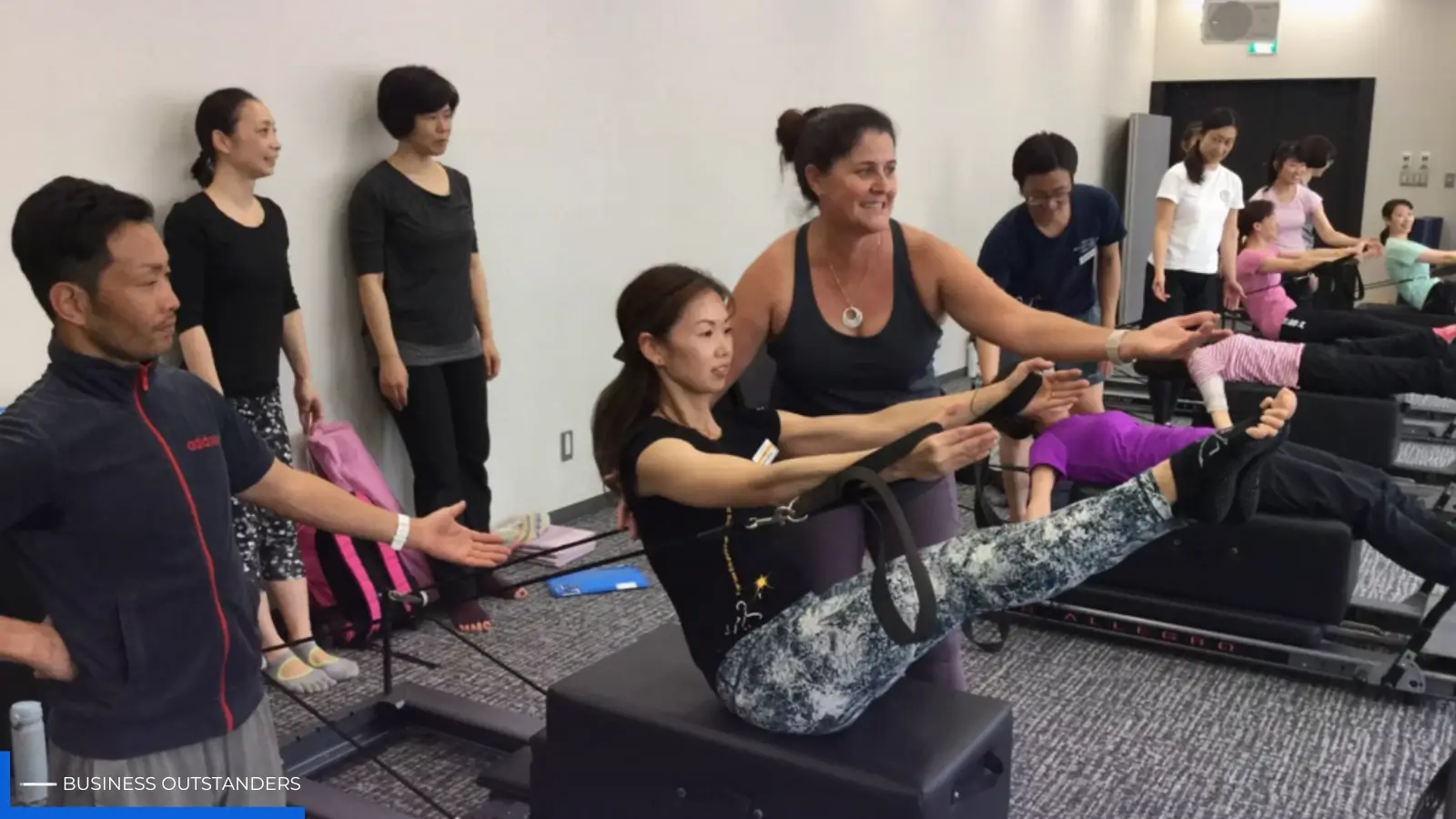
Active games promote physical fitness and healthy habits. Regular movement strengthens muscles, improves flexibility, and supports cardiovascular health. Physical play also helps children release energy and reduce stress.
5. Creativity and Confidence
Creative games boost self-expression while sparking new ways of thinking. Kids who get to try out wild ideas often feel surer about what they can do. That sense of sureness sticks around - at class, with friends, even when tough stuff shows up later.
How to Choose the Right Games for Kids
Pick kids' games based on how old they are, what they like, or what helps them grow. Choose ones that hold attention, keep things safe, yet teach something useful. Mix active play with thinking tasks or imaginative activities for better overall progress.
Parents ought to push for different activities while cutting down on screen hours. By laying out firm rules or joining in the fun, they boost how good playtime really is.
Conclusion
Gaming helps kids learn while having fun. Top picks boost movement, feelings, imagination, or how they play with others. Picking right-fit games means grown-ups guide little ones toward strength and self-belief.
Playing isn't just filling time - it's key during kids' early years. While having fun, young ones pick up abilities that influence what comes later, turning activities into vital pieces of daily life.
Business Outstanders brings you sharp insights on tech, business, entrepreneurship, law, crypto, and more. We uncover what’s next. Stay updated, sign up for our newsletter and be part of the future!