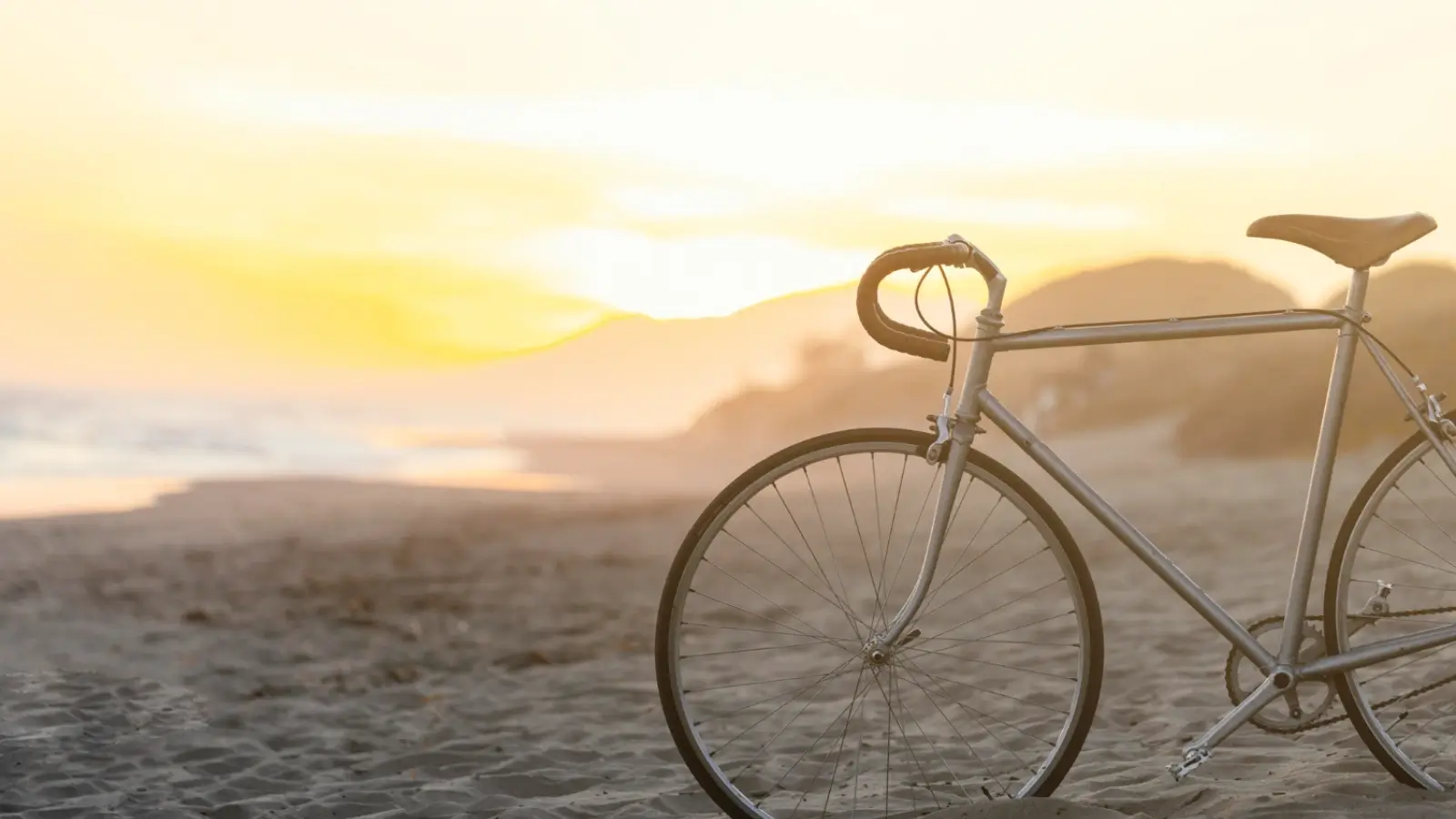
Triathlons and long-distance cycling in the GCC are exhilarating, but they come with unique challenges. From the intense sun to salt-laden air and the constant presence of sand, the region’s harsh environmental conditions can wreak havoc on your bike. If you’re putting in hours on the saddle, racing through the scorching desert, or enjoying a coastal route in Dubai or Oman, protecting your bike is essential to maintain its performance, durability, and lifespan.
This blog covers essential tips for bike maintenance in the GCC, focusing on the three most common culprits: sand, salt, and sun. These elements might seem harmless on their own, but together, they can damage everything from your frame to your drivetrain if not properly maintained.
Understanding the GCC's Harsh Conditions
The Sun: Intense Heat and UV Exposure
The GCC is known for its scorching sun, with temperatures regularly exceeding 40°C, especially in the summer months. The intense heat and UV rays can cause serious damage to bike components, particularly those made from carbon fiber or rubber. Prolonged exposure to sunlight can lead to fading of the frame, drying out of rubber parts (grips, tires, seals), and even degradation of the paintwork.
UV rays break down materials, causing cracks, fading, and weakening over time. The heat also causes tires and rubber grips to harden, leading to loss of flexibility and faster wear.
Saltwater: Coastal Air and Salt Damage
Living near the coast in the GCC exposes bikes to saltwater carried by the humid air. Salt can accumulate on your bike, particularly on metal components like the chain, brakes, and gears, accelerating corrosion. Salt can cause rust to form, making the bike’s mechanical parts work less efficiently. The buildup of salt is often invisible at first, but it will soon make the bike more prone to seizing up and wearing out quickly.
Sand: Dust and Abrasive Particles
The GCC is notorious for its frequent sandstorms and dusty conditions, which can affect your bike’s performance. Sand and dust are highly abrasive, leading to scratches on the frame, grit in the drivetrain, and wear on seals. Over time, sand can infiltrate bearings and parts like the bottom bracket, causing them to grind down and fail. Additionally, sand buildup in your drivetrain can result in poor shifting and increased wear.
Tips for Protecting Your Bike from the Sun
Use Bike Covers and Storage Solutions
When you're not riding, make sure your bike is protected from direct sunlight by using a bike cover. These protective covers are designed to shield your bike from UV rays, dust, and heat. You can also store your bike in a cool, shaded area when not in use. Avoid leaving it outside in the sun, even when it's in the garage—heat builds up quickly, and your bike will suffer in the long run.
UV Protective Bike Coatings
For an extra layer of protection, consider applying a UV protective coating to your bike’s frame. These coatings help to preserve the paint and carbon fiber from the harsh sun, preventing them from fading or cracking. Many high-quality coatings also offer water resistance, making your bike more resilient against rain or moisture buildup.
Maintenance of Rubber Components
Sun exposure can be tough on rubber parts, such as tires, brake pads, and handlebar grips. To prevent rubber from becoming dry and brittle, use silicone sprays or rubber conditioners to keep these parts soft and supple. This will ensure better grip and reduce friction for smoother rides.
Protecting Your Bike from Salt Damage
Clean Your Bike Regularly
If you live near the coast or ride in coastal areas like Dubai, Abu Dhabi, or Muscat, it's essential to wash your bike regularly to remove salt deposits. Salt can build up on your bike's frame and components, leading to corrosion. Use a mild cleaning solution (avoid harsh chemicals) and wash your bike after every coastal ride. Pay extra attention to the chain, brakes, and gears, as these are most susceptible to salt damage.
Use Anti-Corrosion Products
To protect your bike from corrosion, use lubricants and anti-corrosion sprays on metal components. Products like WD-40 are great for preventing rust and maintaining the longevity of gears, brake cables, and the chain. These products are designed to repel saltwater and keep metal parts functioning smoothly, even in the harshest conditions.
Rinse and Dry After Exposure
After riding in salty coastal areas, always rinse your bike with freshwater to remove any salt residue. Saltwater can accumulate quickly, and leaving it on your bike for too long can cause irreversible damage. Make sure to thoroughly dry your bike after washing it to prevent water spots and rust from forming on the metal parts.
Shielding Your Bike from Sand and Dust
Sealed Bearings and Components
Sand can easily infiltrate unsealed bearings, causing them to wear down prematurely. To prevent this, invest in sealed bearings for your wheels, bottom bracket, and crankset. Sealed bearings are specifically designed to keep dust and dirt out, ensuring smooth operation in dusty conditions. These bearings can significantly extend the lifespan of your bike’s moving parts.
Frame Protection Films and Stickers
Protect your bike's frame from scratches caused by sand and dust with clear frame protection films or protective stickers. These films are designed to be applied to vulnerable areas like the chainstays, bottom bracket, and head tube to shield them from abrasions. Not only do they keep your bike looking new, but they also provide an additional layer of defense against the elements.
Cleaning the Drivetrain
Your bike’s drivetrain is especially vulnerable to sand. Clean your drivetrain regularly to remove any sand, dust, or grime that accumulates during rides. Use a brush and degreaser to scrub away sand particles from your chain, derailleurs, and cassette. Regular cleaning ensures that sand doesn’t cause wear and tear, allowing your bike to shift smoothly and perform optimally.
Regular Maintenance: The Key to Long-Lasting Performance
Check for Wear and Tear
Inspect your bike after every ride, particularly if you've been cycling through the desert or along coastal routes. Check for sand buildup in the drivetrain, rust on the chain, and damaged brake pads. Catching problems early ensures that your bike stays in top condition and performs reliably when you need it most.
Lubricate Moving Parts
Regular lubrication of moving parts like the chain, gears, and brake cables is crucial, especially in dry and dusty conditions. Proper lubrication reduces friction, prevents premature wear, and keeps your bike running smoothly. Be sure to use high-quality lubricants suitable for high-temperature environments.
Professional Bike Servicing
Even with proper maintenance, it's important to take your bike for a professional servicing at least once a year, or more frequently if you ride frequently in extreme conditions. Local bike shops in the GCC offer expert bike servicing, ensuring your bike is in peak condition for every ride.
Conclusion
Riding in the harsh conditions of the GCC can take a toll on your bike, but with proper care and maintenance, you can protect it from the damaging effects of sand, salt, and the sun. Regular cleaning, lubrication, and the use of protective coatings will help your bike last longer and perform better. Remember, your bike is a long-term investment—treat it well, and it will serve you for many races to come.
For triathletes and cyclists in the GCC, GRIT+TONIC stands as a trusted partner in performance and protection. Offering a curated selection of high-quality gear & bike accessories.
Business Outstanders brings you sharp insights on tech, business, entrepreneurship, law, crypto, and more. We uncover what’s next. Stay updated, sign up for our newsletter and be part of the future!