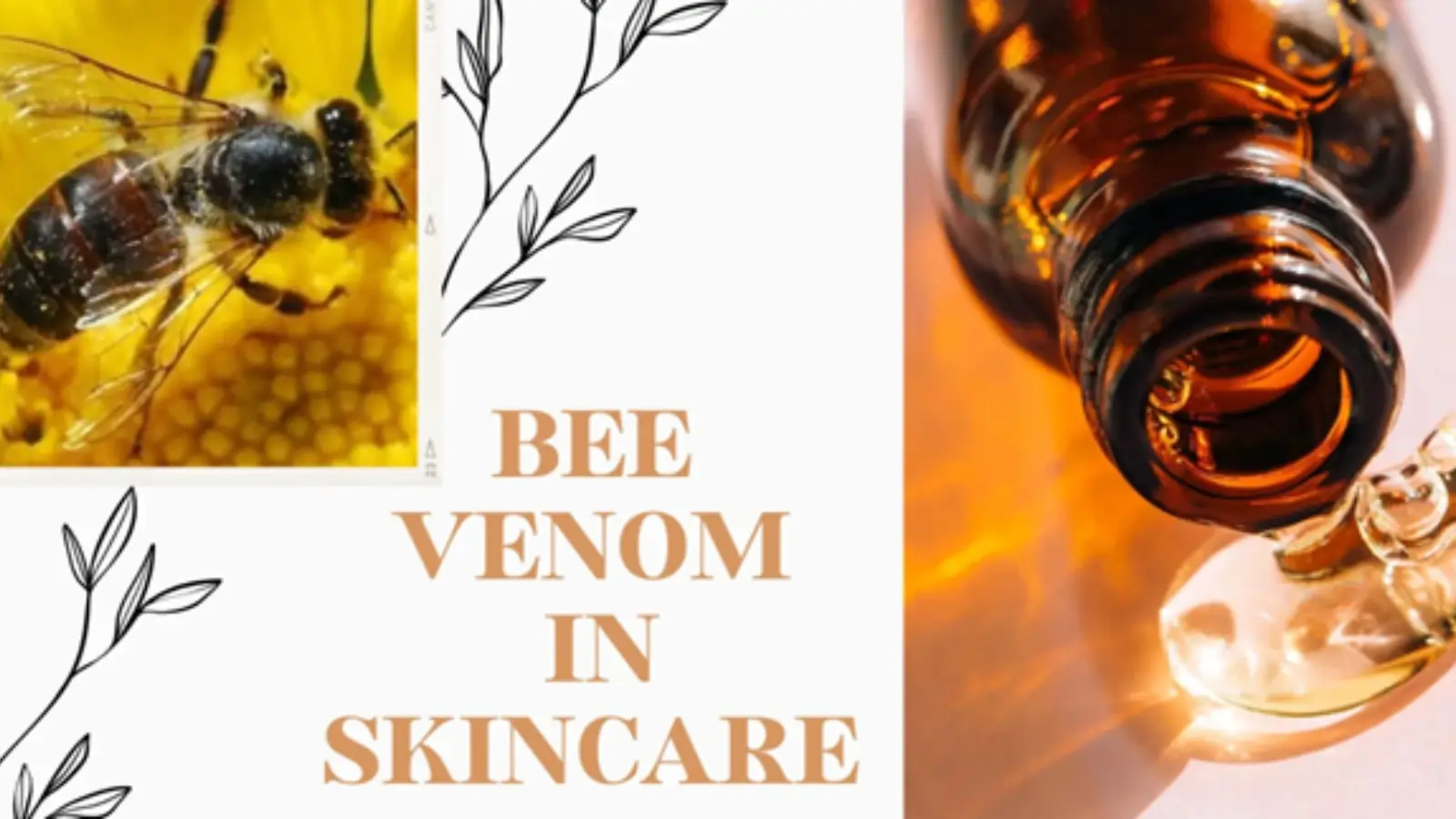
In recent years, Bee Venom has become a quietly rising trend in the skincare world. While the ingredient has appeared in traditional practices for generations, it is now being re-examined through the lens of modern skincare, formulation science, and consumer curiosity. Across Australia, more people are reading about Bee Venom as an intriguing addition to general skin-comfort routines—not as a medical treatment, but as a natural ingredient that brings something different to the skincare conversation.
The renewed interest in Bee Venom fits within a much broader shift happening globally. Consumers are moving away from heavily synthetic formulations and are increasingly attracted to skincare that features gentle, natural components. Botanical-infused serums, plant-based extracts, mineral oils, and honey derivatives have all seen a surge in popularity. Bee Venom sits within this movement as one of the more unique and lesser-known ingredients, offering an interesting story and a distinct origin.
What makes Bee Venom compelling is not just its rarity, but the composition itself. Bee Venom is a complex natural substance containing peptides and enzymes that have been researched for their potential role in supporting calmer-looking skin and contributing to a feeling of comfort on the surface. Studies have explored Bee Venom’s ability to interact with the skin in ways that make it appealing in modern skincare formulation. Importantly, the interest is not in “curing” or “treating” skin diseases — but in how the ingredient may help refresh the skin’s appearance as part of a gentle routine.
Publications like Healthline, Verywell Health and general dermatology-focused blogs often reference Bee Venom when discussing natural ingredients with anti-inflammatory potential. These external references help reinforce that Bee Venom is not a fad ingredient, but one that is generating real conversation among skincare writers and natural-ingredient enthusiasts. And because authoritative health sources treat the ingredient as a cosmetic component—not as a medical therapy—it comfortably fits within consumer interest without overstating its benefits.
One of the most interesting aspects of the Bee Venom trend is how it bridges ancient practices with modern skincare routines. Historically, Bee Venom has been used in various cultures in small, controlled ways. Modern formulations use highly refined, measured, safe quantities of the ingredient, and incorporate it into balanced skincare blends. This means Bee Venom today is not the raw, uncontrolled substance people imagine—it is a professionally formulated ingredient designed to be used in extremely small amounts alongside other gentle components.
In Australia, specialty retailers that focus on sensitive-skin products have begun introducing Bee Venom options to their catalogues to meet customer curiosity. One such retailer is Australian Psoriasis & Eczema Supplies, known for offering ingredient-led skincare options that prioritise gentle formulations over strong, harsh, medicated approaches. Their product selection includes options suited to people who prefer nourishing, calming topical formulas that fit into a broader routine rather than products marketed as treatments or cures.
Among the Bee Venom skincare options available in Australia, one product in particular is standing out due to its practicality: gentle Bee Venom sprays and mists. These formats are becoming more popular because they are easy to use, absorb quickly, and fit seamlessly into a daily routine. Consumers who prefer lightweight hydration or simple refreshing products appreciate the convenience and versatility of sprays.
A prominent example is the Gentle Skin Rescue Spray, available through Australian Psoriasis & Eczema Supplies. This spray combines Bee Venom Skincare with other soothing ingredients to create a light mist designed for general surface comfort. It is intended as a everyday skincare product—something that can be applied as part of a normal routine, without medical claims or therapeutic expectation.
The real appeal of Bee Venom skincare lies in its sensory experience and its potential to contribute to the appearance of calmer skin. People who explore Bee Venom products often describe a refreshed feeling after application. Whether that comes from the mist itself, the cooling effect of the spray delivery method, or the unique profile of Bee Venom, users appreciate the idea of incorporating a distinctive ingredient into their daily routine.
Because the ingredient is unusual, newcomers often ask questions about safety. Modern Bee Venom skincare is formulated according to strict cosmetic safety guidelines. Formulators use refined, measured amounts of the ingredient and test their products for topical use. As with any new skincare product, patch testing is recommended—especially for those with sensitive skin. But when prepared correctly, Bee Venom products fit comfortably within the category of general cosmetic items designed for everyday use.
It’s also important to highlight what Bee Venom skincare is NOT. It is not a medical treatment for psoriasis, eczema, dermatitis, rosacea, or any other condition. It does not replace prescribed therapies or specialist care. Instead, it is part of a growing interest in natural surface-level skincare ingredients that may contribute to a more soothed-feeling complexion. Many Australians with sensitive or reactive skin like combining their prescribed treatments with gentle, non-medicated cosmetic products that feel calming — and Bee Venom skincare fits that profile well.
Another reason Bee Venom is gaining attention is its alignment with clean-beauty values. Modern consumers are increasingly selective about formulations and want products that feel simple, natural, and ethically considered. Some brands use venom collection methods that are non-harmful to bees, utilising vibration technology that allows venom to be extracted while the bees continue their normal activity. Not every brand does this, so consumers often look for retailers that can confirm their sourcing practices and maintain high ethical standards.
As the natural skincare movement continues to grow, Bee Venom will likely remain an ingredient of interest. Its rarity, its distinctive properties, and its ability to capture consumer imagination keep it relevant. While it may not be as widely recognised as ingredients like aloe vera or chamomile, it is gaining steady attention among people who enjoy exploring unique additions to their skincare routine.
For Australians exploring new general skincare options—especially those who prefer gentle mists or naturally inspired formulations—Bee Venom products offer an interesting avenue to explore. Whether it’s incorporated into a hydrating spray, a lightweight lotion, or a calming gel, Bee Venom is positioned as a specialty ingredient that brings something different to the world of natural skincare.
As always, consumers should choose formulations from trusted retailers, look for transparent ingredient lists, and approach Bee Venom the same way they approach any new cosmetic product: with curiosity, patch testing, and realistic expectations. Natural skincare evolves quickly, and Bee Venom is simply one of the many exciting ingredients emerging in 2025’s beauty landscape.
Business Outstanders brings you sharp insights on tech, business, entrepreneurship, law, crypto, and more. We uncover what’s next. Stay updated, sign up for our newsletter and be part of the future!